
Your Gut: A Thriving Inner World
To understand the magic of pickles, we first need to appreciate the gut microbiome. Think of your digestive system as a bustling metropolis populated by trillions of microorganisms, including bacteria, fungi, and viruses. This complex community plays
a vital role in everything from digestion and nutrient absorption to immune function and even mood. A healthy, diverse microbiome is key to overall well-being. When the balance of 'good' bacteria is robust, it helps keep potentially harmful microbes in check, contributing to a state of digestive harmony.
Not All Pickles Are Created Equal
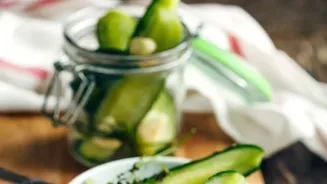
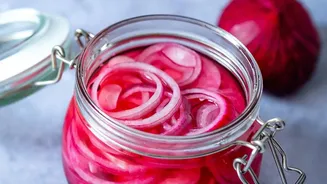
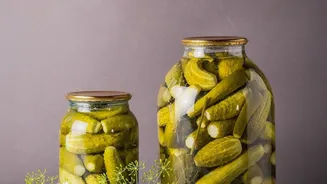
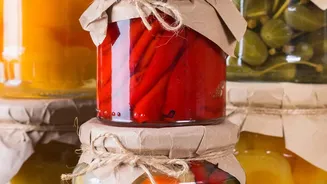
Here’s the most crucial distinction: not every pickle you find on a shelf is a probiotic powerhouse. The difference lies in how they are made. Most commercially available pickles are created using a 'quick pickle' method, where vegetables are preserved in a vinegar brine and then often heat-pasteurized to extend their shelf life. While tasty, this process effectively kills off all bacteria, including the beneficial ones. True probiotic pickles are made through a more ancient process: natural fermentation. This is where the gut-friendly benefits truly originate.
The Power of Lacto-Fermentation
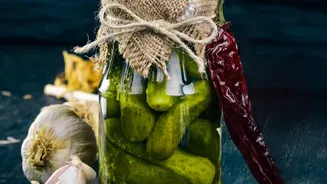
Traditional pickling often relies on a process called lacto-fermentation. Instead of vinegar, this method uses a simple brine of salt and water. Naturally present bacteria, primarily from the Lactobacillus family, get to work, feeding on the sugars in the vegetables and converting them into lactic acid. This lactic acid not only preserves the food and gives it that characteristic tangy flavour, but it does so without killing the beneficial bacteria. The result is a 'live' food, teeming with probiotics that can help enrich the diversity of your gut microbiome when consumed.
Finding Fermented Goodness in India
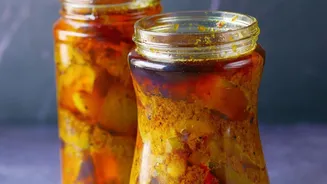
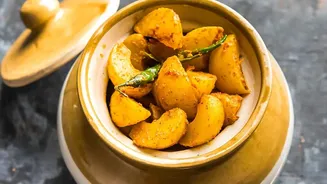
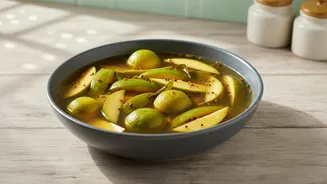
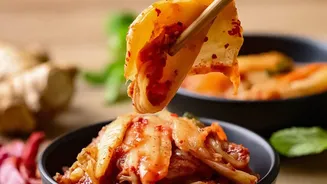
In India, this tradition is alive and well. Many homemade 'achaars', especially those prepared with salt, spices, and oil and left to mature in the sun, undergo natural fermentation. Traditional recipes for lemon, green chilli, and Kanji (fermented carrot and beetroot drink) are excellent examples of this process. These pickles are more than just condiments; they can be a source of digestive enzymes and beneficial microbes that aid digestion and support immunity. Beyond India, other globally recognized fermented foods like sauerkraut (fermented cabbage) and kimchi (spicy Korean fermented vegetables) operate on the same principle, offering a crunchy, flavourful way to consume probiotics.
How to Choose and Use Them Wisely
To ensure you're getting the probiotic benefits, you need to be a savvy shopper. For store-bought options, head to the refrigerated section, as live-culture foods are rarely shelf-stable. Carefully read the labels. Look for terms like "naturally fermented," "unpasteurized," and "contains live cultures." The ingredient list should be simple: vegetables, water, salt, and spices. If vinegar is listed as a primary ingredient, it is likely not a probiotic pickle. And while beneficial, remember that pickles are high in sodium, so moderation is key. A spoonful or two with a meal is an ideal way to incorporate them into a balanced diet.