





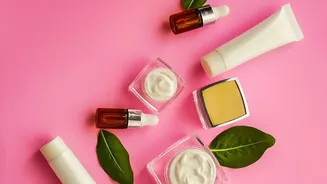

Why Your Skin Rebels in Autumn
The transition from summer to autumn is a significant shock to your skin. The primary culprit is the drop in humidity. Cooler, drier air pulls moisture directly from your skin's surface, a process known as transepidermal water loss. This can weaken your skin's protective
barrier, which is responsible for keeping moisture in and irritants out. To make matters worse, we turn on indoor heating, which further dries out the air. This environmental shift can lead to a variety of confusing signals. Some people experience tightness, flakiness, and dry patches. Others might find their skin producing more oil to compensate for the sudden dryness, leading to unexpected breakouts and a feeling of being oily and tight at the same time.
First, Become a Skin Detective
Before making any changes, spend a few days observing. The impulse is to immediately buy a richer cream or a harsher acne treatment, but that can sometimes make things worse. Instead, pay close attention. How does your skin feel right after cleansing? Tight and stripped, or comfortable? Where are you seeing oiliness—is it all over, or just in your T-zone by the afternoon? Are the dry patches flaky, or just a bit rough? Keeping a mental note for a week gives you a real-world diagnosis of what your skin actually needs, rather than what you assume it needs. A routine that is consistent and well-tolerated is a better starting point than a shelf full of products you can't use comfortably.
Adjust Your Cleansing Strategy
The cleanser that worked perfectly in the humid summer months might be too aggressive for October's drier climate. If your skin feels tight or 'squeaky' clean after washing, your cleanser may be stripping its natural oils. For those experiencing dryness, consider switching to a gentler, cream-based or hydrating cleanser that doesn't foam as much. Also, turn down the water temperature; long, hot showers can compromise your skin's barrier. If you're dealing with extra oiliness, resist the urge to use a harsh, stripping cleanser multiple times a day. This can backfire, causing your skin to produce even more oil. Instead, stick to cleansing twice daily with a balanced formula, perhaps one containing salicylic acid to keep pores clear without over-drying.
Master the Art of Layering
You may not need a new moisturiser, but simply a new way of using it. Layering is key in transitional weather. Start with your lightest, water-based products and move to the heaviest. If you have a hydrating serum with ingredients like hyaluronic acid, apply it to damp skin right after cleansing to pull in moisture. Then, apply your regular moisturiser on top to seal it in. For those with combination skin, you can 'spot treat' with your products. Apply a richer cream only on your dry patches (like your cheeks) and use a lighter lotion on your T-zone. This customised approach allows you to address both oiliness and dryness using the products you already own.
Rethink Your Exfoliation Schedule
Dullness and flakes can make you want to scrub your skin, but over-exfoliating can be particularly damaging in the fall. When your skin's barrier is already vulnerable, aggressive scrubbing or strong chemical exfoliants can lead to irritation, redness, and increased sensitivity. Instead of your usual frequency, try scaling back to just once or twice a week. Opt for gentle chemical exfoliants like lactic acid, which also has hydrating properties, over harsh physical scrubs. This will help remove dead skin cells so your hydrating products can absorb better, without causing further damage.
Don’t Put Away the Sunscreen
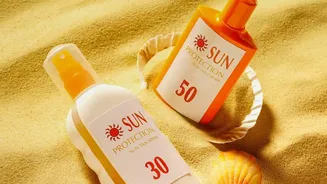
This is a non-negotiable tip from every dermatologist: sunscreen is a year-round necessity. Just because the temperatures are cooler and the days are shorter doesn't mean UV rays have disappeared. UVA rays, which are responsible for premature ageing and skin damage, are present regardless of the season and can even penetrate through clouds and windows. Continue to apply a broad-spectrum sunscreen with at least SPF 30 every single morning as the final step in your routine. This protects your already-vulnerable skin from further environmental stress.