

The Two-Hour Rule Is Your Golden Ticket
The most critical guideline for food safety is the two-hour rule. According to food safety authorities like the USDA, all perishable foods, including cooked meats, casseroles, and egg dishes, must be refrigerated within two hours of being cooked or taken
off a heat source. This window is the maximum time your food can safely remain at room temperature. Bacteria that cause food poisoning can multiply rapidly during this period, and after two hours, the risk of illness increases significantly. Think of the two-hour mark as a firm deadline. If you've been serving food at a gathering, start the clock from the moment the food is no longer being kept hot (above 60°C) or cold (below 4°C). This simple rule is your first and best defence against foodborne pathogens.
Understanding the 'Danger Zone'
The reason for the two-hour rule is a concept called the 'Danger Zone'. This is the temperature range between 4°C and 60°C (40°F and 140°F) where bacteria thrive. In this zone, common bacteria like E. coli, Salmonella, and Staphylococcus aureus can double in number in as little as 20 minutes. When food sits on a countertop, its temperature quickly falls into this range. While the food might still look and smell perfectly fine, these invisible microorganisms are having a party. The longer the food stays in the danger zone, the more pathogens multiply, reaching levels that can make you sick. Keeping hot foods hot (above 60°C) and cold foods cold (below 4°C) prevents bacteria from entering this rapid growth phase.
The One-Hour Exception for Hot Climates
For those living in warmer climates, the two-hour rule has an important exception. If the ambient temperature is above 32°C (90°F), the window for safely leaving food out shrinks to just one hour. This is particularly crucial information for outdoor picnics, summer gatherings, or even in kitchens that get very warm during Indian summers. The higher external temperature accelerates bacterial growth, pushing food into the most hazardous part of the danger zone much faster. So, if you're enjoying a meal outdoors on a hot day, be extra vigilant and make sure those leftovers are packed away in a cooler with ice or refrigerated within 60 minutes.
Why You Can't Trust the 'Smell Test'
Many of us rely on the 'smell test' to judge if food is still good, but this is a dangerous myth. The bacteria that cause food to spoil—the ones that create sour smells or a slimy texture—are often different from the pathogenic bacteria that cause food poisoning. Dangerous pathogens like Salmonella and Listeria don't typically alter the look, smell, or taste of food, even when they have grown to dangerous levels. A dish can seem perfectly fresh and still be contaminated. Tasting a small amount to check is even riskier, as it takes only a tiny amount of some bacteria or their toxins to cause severe illness. When it comes to safety, time and temperature are the only reliable indicators, not your senses.
The Cardinal Rule: When in Doubt, Throw It Out
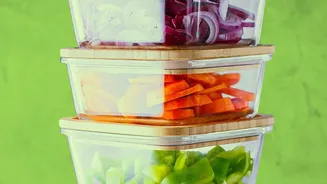
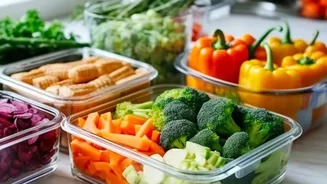
It can be painful to waste food, but your health is more valuable. If you've forgotten about a dish and can't remember if it has been sitting out for two, three, or four hours, the safest decision is always to discard it. Reheating food that has been left in the danger zone for too long will not make it safe. While high heat can kill bacteria, it does not destroy the heat-resistant toxins that some bacteria, like Staphylococcus aureus, produce. These toxins can cause vomiting and diarrhoea even after the food has been thoroughly reheated. To avoid this situation, get into the habit of cooling and storing leftovers promptly. Divide large batches of food into smaller, shallow containers to help them cool down faster in the refrigerator.