
Embrace Fabric Backdrops
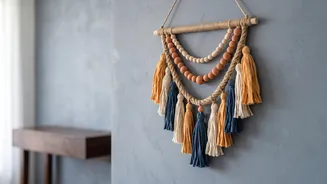
Move away from thermocol and plastic sheets, which are difficult to dispose of responsibly. Instead, look inside your own cupboards for vibrant, reusable options. A lustrous silk saree, a colourful cotton dupatta, or even a simple, elegant curtain can
create a stunning backdrop for your Ganpati mandap. These fabrics can be pleated, draped, or simply hung flat against a focal wall, instantly adding texture and grandeur. Secure them with removable clips or pins to avoid wall damage. This approach not only eliminates waste but also allows you to customise your decor with heirlooms and personal favourites, making the setup deeply meaningful.
Incorporate Natural Elements
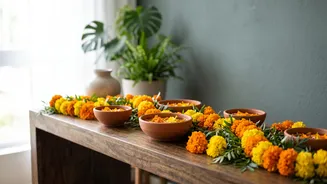
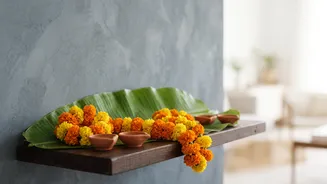
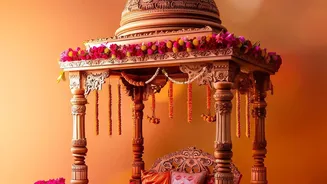
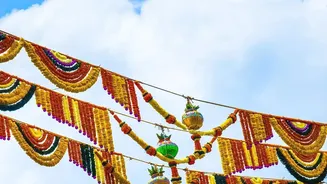
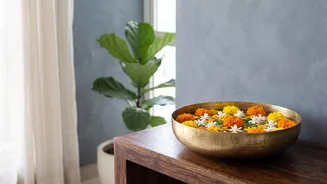
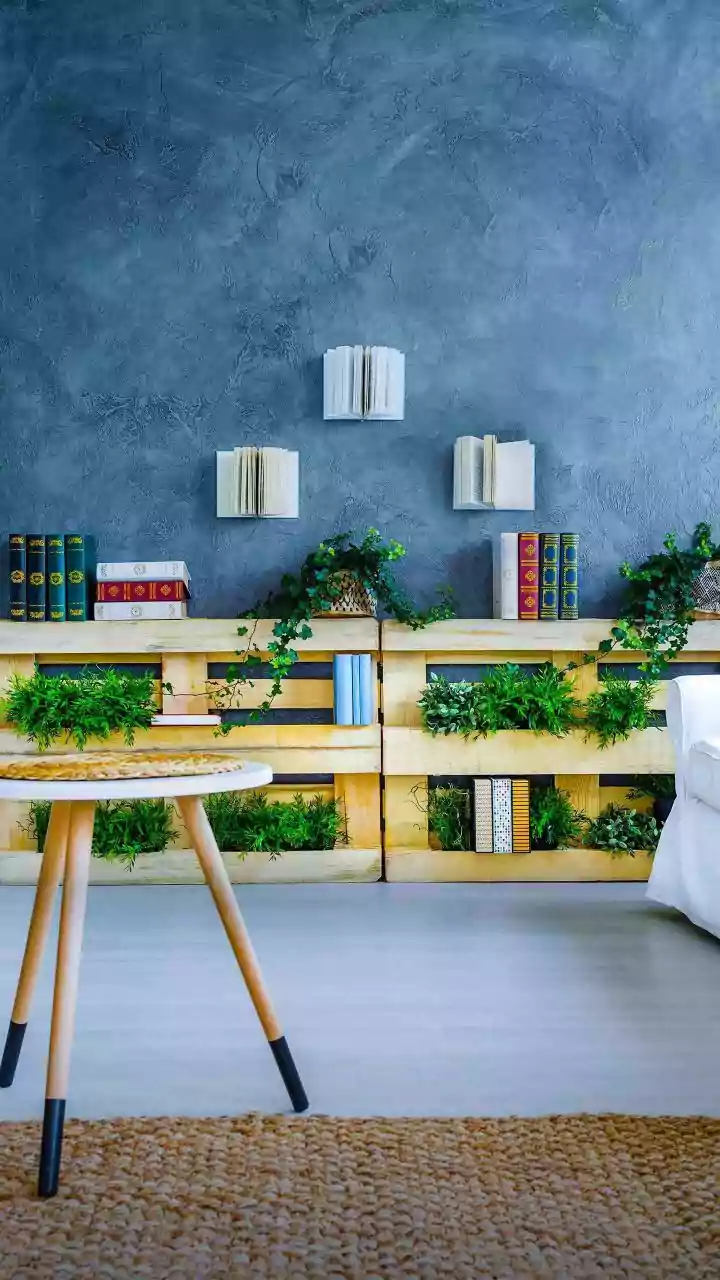
Bring the outdoors in by using natural, biodegradable materials. Fresh flowers like marigolds, hibiscus, and roses are traditional choices that add fragrance and vibrancy. Instead of buying new plastic garlands, you can string your own using a simple needle and cotton thread. Banana and mango leaves are also excellent for creating a lush, green frame for your idol or for making traditional torans to hang at the entrance. For a unique touch, arrange potted plants that you already own around the mandap to create a serene, garden-like setting. After the festival, flowers and leaves can be easily composted.
DIY Paper and Clay Crafts
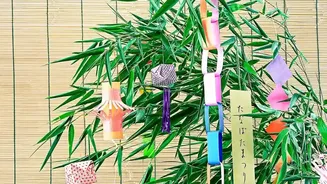
Engage the entire family in creating handmade decorations. Uncoated recycled paper, old newspapers, or leftover craft paper can be transformed into beautiful fans, lanterns, and garlands. These lightweight decorations are perfect for apartments and can be strung up easily without much structural support. You can also craft small ornaments and diyas from natural clay. These can be painted with non-toxic, water-based colours like turmeric and kumkum. Making your own decor adds a personal touch and is a wonderful way to teach children about sustainability.
Create a Natural Rangoli
A welcoming rangoli is a must, but synthetic chemical colours can be harmful to the environment and indoor air quality. Opt for an eco-friendly rangoli using materials from your kitchen. Rice flour is the perfect base for white, while turmeric powder provides a vibrant yellow, and kumkum a deep red. You can also use colourful flower petals to fill in your designs, creating a fragrant and completely biodegradable piece of art at your doorstep. For a different texture, coloured pulses and grains can also be used to create intricate patterns.
Mindful Lighting with Reusable Diyas
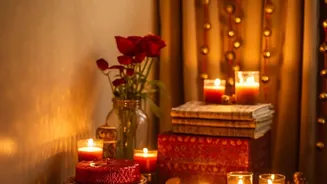
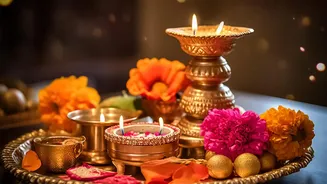
Lighting sets the divine mood for evening prayers and aartis. Instead of disposable plastic fairy lights or thermocol diyas, choose timeless, reusable options. Traditional earthen or terracotta diyas are a wonderful choice and can be used year after year. For a more permanent investment, elegant brass or copper lamps not only look beautiful but become a cherished part of your festive traditions. If you prefer electric lighting, opt for energy-efficient LED strings that you can carefully store and reuse for Diwali and other celebrations. Reusing glass jars as holders for tealights is another creative way to upcycle and add a warm glow.
Upcycle and Repurpose Household Items
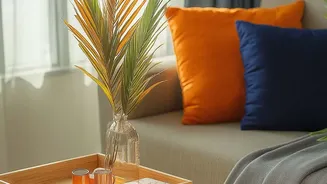
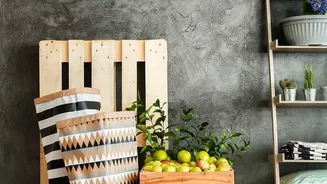
The most sustainable item is the one you already own. Before buying anything new, take a look around your home for items that can be repurposed. Cardboard boxes can be cut and painted to create a small arch or mandap frame. Glass bottles and jars can be painted or wrapped in jute rope to serve as unique vases or candle holders. Even coconut shells can be cleaned and used as rustic-looking diyas. This mindset of reusing and upcycling significantly cuts down on post-festival waste and encourages creativity.