





Breaking Free from the 'One-Note' Menu
Think about the last time you went out for Indian food. Chances are, the menu was predictable. If you were at a North Indian restaurant, it was a familiar lineup of paneer butter masala, dal makhani, and various kebabs. A South Indian spot? Idli, dosa,
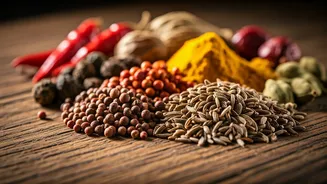
and vada were likely the stars. For years, the Indian restaurant scene, both at home and abroad, has been dominated by these monolithic categories. This 'one-note' approach, while comforting and familiar, presents a highly simplified version of one of the world's most diverse culinary traditions. India doesn't have one single food culture; it has dozens. Each state, and sometimes even districts within a state, boasts its own unique ingredients, spice blends, and cooking techniques. The rise of multi-regional dining is a powerful correction to this oversimplification.
A Culinary Road Trip on a Single Plate
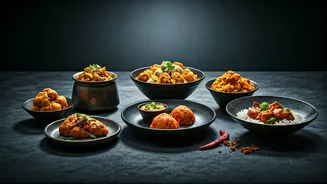
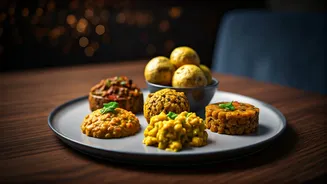
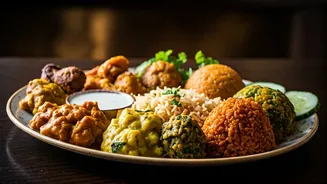
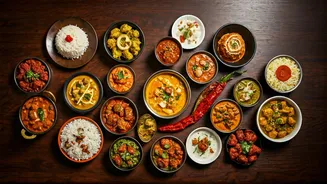
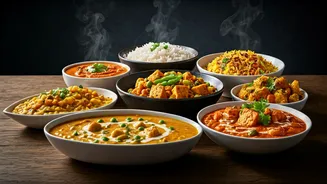
The new wave of multi-regional menus invites diners on an exciting culinary journey without leaving their seats. Restaurants are now curating menus that might feature a comforting Bihari litti chokha alongside a fiery Chettinad chicken from Tamil Nadu or a delicately spiced Goan prawn curry. This approach allows diners to explore the country's vast gastronomic landscape in one sitting. It’s a move away from generic labels and toward what some chefs call 'hyper-regional' cooking, where even specific community or tribal recipes are given a platform. This trend is driven by a growing curiosity among diners and a desire for authenticity beyond the usual suspects. It's an acknowledgment that India's culinary story is far richer and more complex than butter chicken and biryani alone can tell.
Why Chefs Are Embracing Diversity
For chefs, a multi-regional menu is a declaration of creative freedom. Instead of being confined to the well-trodden territory of a single cuisine, they can now draw inspiration from across the country. This allows them to tell a more personal and expansive story through their food, often incorporating forgotten heirloom recipes or ingredients sourced from specific local regions like Ladakh or Maharashtra. Chefs at pioneering restaurants like Indian Accent and Masque in Mumbai, or Noon in Mumbai, are championing ingredient-driven menus that change with the seasons and highlight the best produce from different parts of India. This not only keeps the dining experience fresh and exciting but also supports a wider ecosystem of farmers and producers. It’s a shift from a chef's menu to a guest-centric one, designed to evoke memory and empower choice.
More Than a Trend, It's an Evolution
While the idea of a 'multi-cuisine' restaurant isn't new in India—many family restaurants have long offered a mix of Indian, Chinese, and Continental dishes to please every palate—this new movement is different. It is not about fusion for the sake of it, like butter chicken pizza or masala tacos. Instead, it’s about a deep, respectful dive into the authentic flavours of India's diverse states. The focus is on authenticity and showcasing regional specialities in their true form. This evolution has been fueled by several factors, including increased domestic travel, a rise in disposable income, and a greater awareness of cultural nuances, partly thanks to the internet. Diners are no longer content with a generic curry; they want to taste the specific flavours of Bengal, Kerala, or Rajasthan.