





The Next Martian Trailblazers
On July 8, 2026, NASA announced it had selected seven companies for its Science Transport and Robotic Innovation for Deployment and Exploration (STRIDE) initiative. These firms, including names like Astrobotic, Intuitive Machines, and Honeybee Robotics,
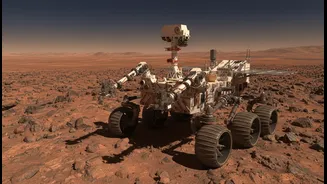
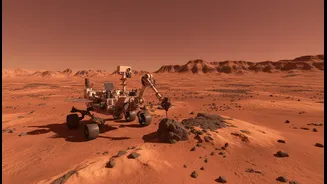
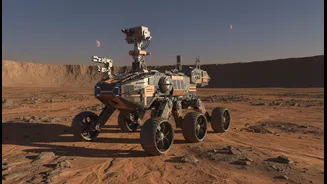
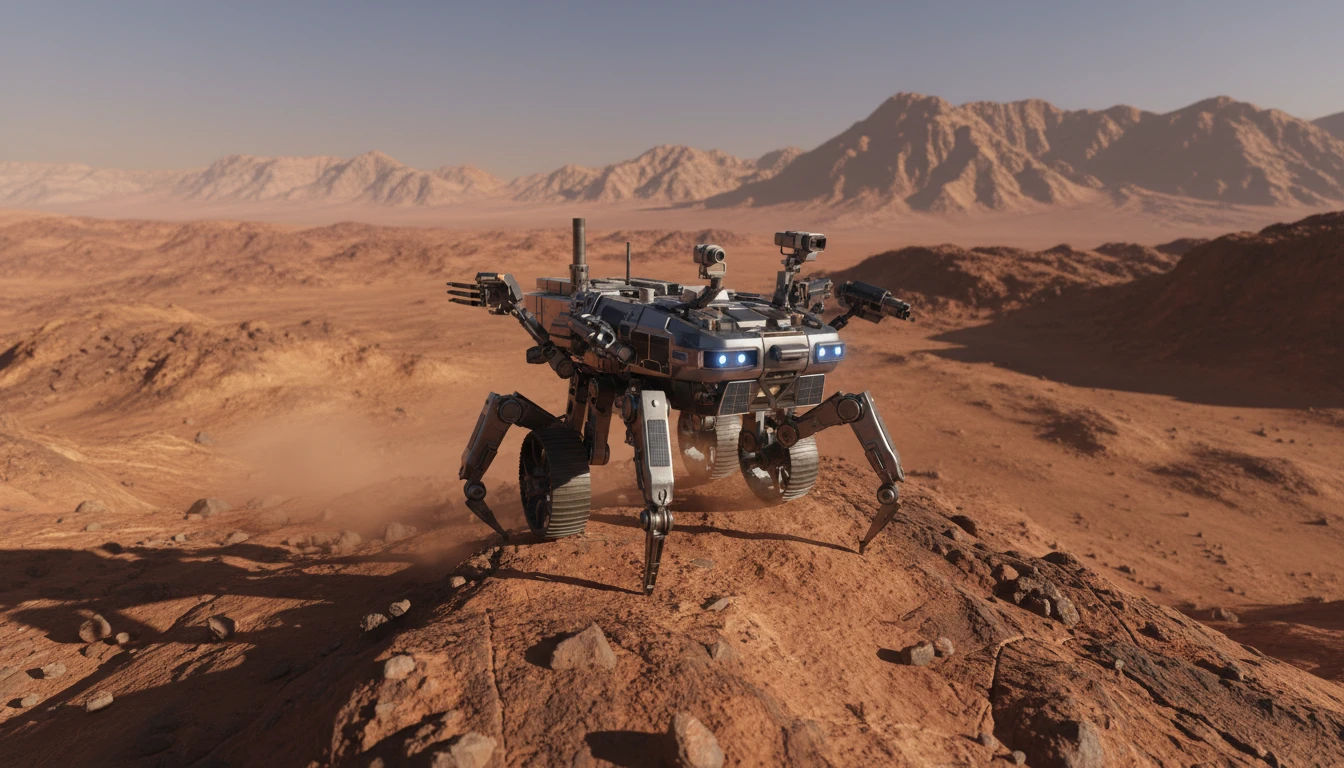
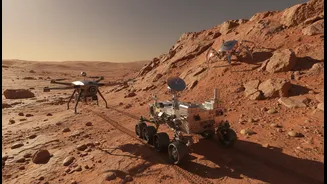
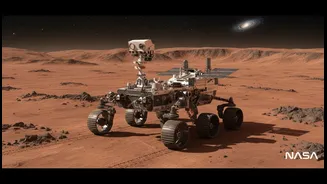
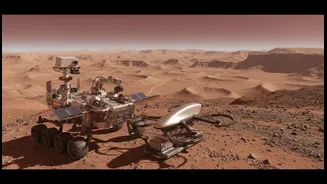
were awarded contracts with a total potential value of around $17 million. Their goal is to design the future of Martian mobility. This involves creating concepts for advanced robotic systems, including both surface rovers and aerial platforms, that can go farther and access more challenging terrain than ever before. Think robots capable of exploring steep crater walls or navigating treacherous sandy regions that have been unreachable for current rovers like Curiosity and Perseverance. The work is set to begin in the fall of 2026 and represents a key part of NASA's strategy to use public-private partnerships to accelerate exploration.
Not Your Usual Purchase Order
Here's the crucial detail: these are not standard procurement contracts for a finished product. They are developmental contracts, sometimes called cost-plus or risk-sharing contracts. In simple terms, NASA isn't buying a rover off a production line; it's paying companies to invent one. This type of contract is common in aerospace and defense when the project involves immense complexity and unproven technology. The risk of failure is so high that a company might not undertake the research and development without the customer (in this case, NASA) sharing the financial burden. These agreements fund design studies and early-stage prototypes, with payments often tied to hitting specific technical milestones. The entire point is to push the boundaries of what's possible, and that means accepting that some ideas won't work out. Failure isn't just a possibility; it's a baked-in part of the innovation process.
The Peril of High Expectations
The main risk, as the headline suggests, is forgetting this fundamental distinction. When the public, politicians, or investors hear about a NASA contract, they often expect a guaranteed result on a fixed timeline. This perspective is dangerous for developmental projects. If we treat these STRIDE contracts like an order for a new fleet of delivery trucks, we set everyone up for disappointment. The pressure for guaranteed success can stifle creativity, forcing companies to propose safer, less ambitious designs. It can also lead to public backlash if a concept fails during testing, even though such failures are a valuable part of finding the right solution. NASA’s similar Commercial Lunar Payload Services (CLPS) program is a perfect example; it has seen both stunning successes, like Intuitive Machines' lunar landing, and mission failures, like Astrobotic's Peregrine lander anomaly. Both outcomes are part of the model's design: take more shots on goal, learn from misses, and achieve breakthroughs faster.
A Calculated Gamble on the Future
Ultimately, NASA's strategy is a calculated gamble. By spreading smaller investments across seven different companies, the agency is creating a competitive, innovation-focused ecosystem. It’s a way to harness the agility and diverse expertise of the private sector to solve some of the hardest problems in planetary exploration. This approach acknowledges that no single company, not even NASA itself, has all the answers for how to build a robot that can survive and thrive on Mars. This model has proven effective in fostering new capabilities, as seen with the commercial resupply and crew programs for the International Space Station. These developmental partnerships are about building an industrial base and maturing technology for the long haul. The goal isn't just to get one new rover; it's to develop a whole new toolbox of mobility technologies that will serve dozens of future missions, including the ambitious Mars Sample Return campaign.