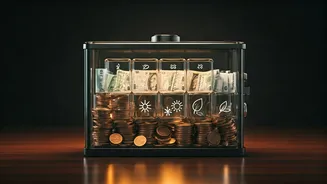









The Shift from 'Growth' to 'Grip'
Not long ago, financial conversations, especially among younger Indians, were dominated by stocks, crypto, and the next big startup IPO. The goal was aggressive growth. The mantra was ‘invest every spare rupee’. While building wealth is a valid goal,
recent years have exposed the fragility of a plan that doesn't have a safety net. The COVID-19 pandemic revealed how quickly incomes can disappear. The tech industry's ‘funding winter’ led to widespread layoffs, reminding us that no job is completely secure. This new reality has shifted the focus from 'growth at all costs' to getting a 'grip' on your finances. The new status symbol isn't just a bulging investment portfolio; it’s the quiet confidence that comes from knowing you can handle a major financial shock without derailing your life.
What is an Emergency Fund, Really?
Let’s be clear: an emergency fund is not an investment. Its purpose is not to earn high returns; its purpose is to be there when you need it. Think of it as financial insurance you pay to yourself. This is a stash of money set aside exclusively for unforeseen, urgent expenses. What qualifies? A sudden job loss, an unexpected medical procedure for you or a family member, urgent home repairs, or any other major, necessary expense that isn't part of your regular budget. It is not for a vacation, a down payment on a car, or funding a planned purchase. The key characteristics are liquidity (you can access it quickly) and safety (its value won't drop overnight).
The Golden Rule: 3 to 6 Months
The standard recommendation for an emergency fund is to save enough to cover three to six months of essential living expenses. Essential expenses include anything you absolutely must pay each month: your rent or EMI, utility bills (electricity, water, internet), groceries, transportation costs, insurance premiums, and loan payments. To calculate your target, track your spending for a month or two to get a realistic picture of your essential outflow. If you have a very stable job and no dependents, three months might suffice. If you're a freelancer, a small business owner, or have dependents, aiming for six months (or even more) provides a much stronger buffer against uncertainty. Start by calculating your 'survival number' – the bare minimum you need per month. Your initial goal is to save three times that amount.
Where to Park Your Emergency Cash
Since the goal is safety and quick access, your emergency fund should not be in volatile assets like stocks or equity mutual funds. The risk of the market being down when you need the money is too high. Instead, consider these options available in India: 1. **A Separate Savings Account:** Don't just keep it in your primary salary account. Open a new, separate savings account, preferably with a different bank to reduce the temptation to dip into it. Some banks offer higher-interest savings accounts that are perfect for this. 2. **Fixed Deposits (FDs):** FDs are safe and offer slightly better returns than a savings account. To maintain liquidity, you can 'ladder' your FDs by creating several smaller deposits with different maturity dates. Or, opt for an FD with a sweep-in facility linked to your savings account, which provides both liquidity and higher returns. 3. **Liquid Mutual Funds:** These are debt mutual funds that invest in very short-term market instruments. They are generally considered low-risk and offer higher liquidity than FDs, with money typically available in one business day. They can offer slightly better returns than savings accounts.
How to Start Building from Scratch
The idea of saving six months of expenses can feel daunting, but you don't have to do it all at once. The key is to start. First, aim for a starter fund of ₹25,000 or one month's salary. This initial cushion is a powerful motivator. Then, automate the process. Set up a recurring transfer or SIP (Systematic Investment Plan) from your salary account to your emergency fund account on the day you get paid. Even a small amount like ₹2,000 or ₹5,000 per month adds up. Direct any windfalls—like a work bonus, a tax refund, or cash gifts—straight into this fund until you hit your target. Building this fund is a marathon, not a sprint. The goal is progress, not perfection.