




Craving that strong, rich flavour of a cafe coffee without the expense of a high-end machine? The classic stovetop Moka pot might be your perfect answer. This iconic Italian brewer has been delivering bold, flavourful coffee for decades.
What Exactly Is a Moka Pot?
Invented in Italy
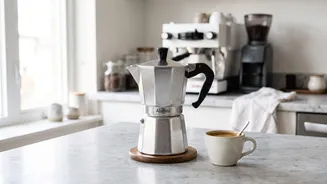
in 1933, the Moka pot is a stovetop coffee maker that brews coffee using steam pressure. It consists of three main parts: a bottom chamber for water, a funnel-shaped filter for coffee grounds, and a top chamber where the finished coffee collects. When you heat the pot on a stove, the water in the bottom heats up, creating steam. This steam builds pressure, forcing hot water up through the coffee grounds and into the top chamber, ready to be poured. It’s a simple yet brilliant piece of engineering that has become a staple in kitchens across Europe and beyond.
The 'Espresso-Style' Experience
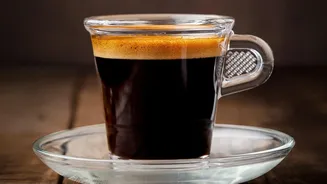
While often called a 'stovetop espresso maker', a Moka pot doesn't technically make espresso. True espresso requires at least 9 bars of pressure, which only high-powered machines can produce. A Moka pot generates a much lower pressure, around 1.5 to 2 bars. The result is a coffee that is significantly more concentrated and intense than drip coffee, but not as thick or syrupy as a true espresso shot, and it won't have the signature 'crema'. Think of it as its own unique beverage: bold, rich, and beautifully aromatic, sitting somewhere between drip coffee and espresso.
A Step-by-Step Brewing Guide
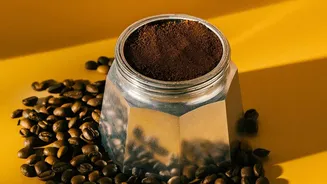
Brewing with a Moka pot is a rewarding ritual. For the best results, start with fresh water, ideally pre-heated to reduce brewing time and prevent a metallic taste. Fill the bottom chamber with water up to, but not covering, the safety valve. Next, fill the filter basket with ground coffee. It should be full but not compacted; unlike espresso, you should never tamp down the grounds in a Moka pot, as this can create too much pressure. Level it off gently, screw the top chamber on securely, and place the pot on the stove over a medium-low heat. Keep the lid open to watch. Coffee will begin to flow into the top chamber. Once it turns a pale, honey colour and you hear a gurgling sound, immediately remove it from the heat.
Keys to a Flavourful Brew
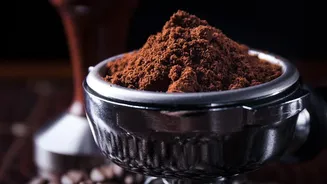
Three things are crucial for avoiding bitterness and achieving a smooth, rich cup: grind size, heat management, and timing. The ideal grind is medium-fine, similar to the texture of table salt—coarser than an espresso grind but finer than for a drip machine. If your coffee tastes bitter, try a coarser grind; if it's weak or sour, go finer. Always use low to medium heat. High heat will scorch the coffee grounds and rush the extraction, resulting in a burnt taste. Finally, removing the pot from the stove as soon as it starts to gurgle is key. Letting it sputter on the heat will 'cook' the coffee, introducing bitterness. Some brewers even run the base under cool water to stop the brewing process instantly.
Why Choose a Moka Pot?
The Moka pot's enduring popularity comes down to a few key advantages. It's incredibly affordable compared to electric espresso machines, and its durable metal construction means it can last a lifetime. It is simple to use, easy to clean, and has a small footprint, making it perfect for any kitchen, office, or even a camping trip. Most importantly, it delivers on its promise of a strong, full-bodied cup of coffee that can be enjoyed on its own or used as a robust base for lattes and other milk-based drinks. It’s a timeless tool for anyone who appreciates a powerful and aromatic home brew.