






The Heart of the Monsoon
The southwest monsoon, which provides about 70% of India's annual rainfall, is the lifeline for the country's agriculture. While the season officially runs from June to September, July stands out as the most vital month. Historically, it is the wettest
period, accounting for nearly a third of the season's total rainfall. By early July, the monsoon has typically spread across most of the country, triggering the peak sowing window for the crucial Kharif (summer) crops. This makes the performance of the monsoon in July a direct indicator of the season's success. A strong, well-distributed rainfall pattern during this month sets the stage for a bountiful harvest, replenishes reservoirs, and recharges groundwater.
Sowing a Nation's Food Supply
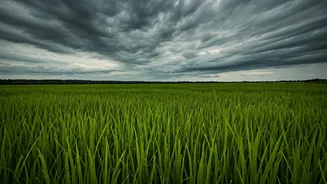
July is the definitive month for sowing Kharif crops, which form the backbone of India's food supply. Key staples like rice (paddy), maize, soybean, cotton, and various pulses are all planted during this period. The timing is precise: farmers wait for the first monsoon showers to soften the earth and provide the necessary moisture for seeds to germinate and establish strong roots. A delay in the monsoon's arrival or a significant 'monsoon break' (a prolonged dry spell) in July can have devastating consequences. Delayed sowing can shrink the growing window, making crops vulnerable to later-season risks and ultimately reducing yield. As more than half of India's farmland is rain-fed, the timely onset of rains in July is not just a weather event—it is the starting gun for the nation's primary agricultural season.
The Double-Edged Sword of Rainfall
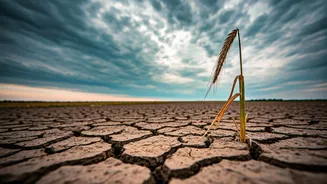
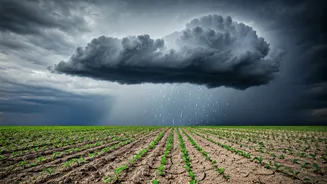
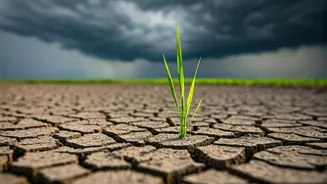
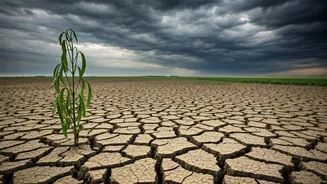
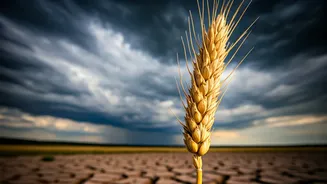
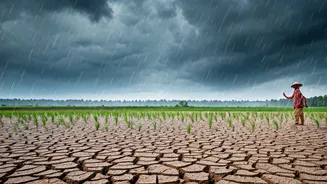
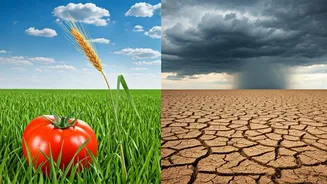
For crops, it's not just about getting rain, but getting the right amount at the right time. The vegetative growth phase for most Kharif crops occurs in July, a stage where water is critical for their development. However, both too little and too much rain can be disastrous. A rainfall deficit, especially for an extended period, leads to moisture stress, stunts plant growth, and can cause crop failure, leading to drought conditions. Conversely, extremely heavy rainfall can cause widespread flooding, waterlogging fields, damaging young saplings, and washing away topsoil and nutrients. The ideal July weather consists of consistent, widespread, and moderate rainfall, allowing for optimal absorption without causing damage. The spatial distribution of rain is just as important as the total volume; patchy rains can lead to prosperity in one district and distress in another.
More Than Just Rain
While rainfall dominates the discussion, other weather parameters in July are equally important. Temperature and humidity play a crucial role in crop health and the prevalence of pests and diseases. The hot and humid conditions typical of the monsoon are necessary for the growth of crops like rice and cotton. However, these same conditions can also create a fertile breeding ground for pests and fungal diseases. Unusually high temperatures can cause heat stress in plants, leading to flower and fruit drop, which severely impacts the final yield. Therefore, the delicate balance of sufficient rain, optimal temperatures, and manageable humidity during July is essential for ensuring that crops not only survive but thrive.
The Ripple Effect on the Economy
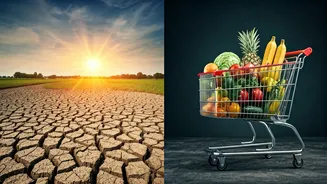
The performance of agriculture in July sends ripples throughout the entire Indian economy. A good monsoon season boosts farm incomes, which in turn fuels rural demand for goods and services, from FMCG products to tractors and automobiles. Strong agricultural output helps keep food inflation in check, a major concern for both households and policymakers at the Reserve Bank of India. Conversely, a poor monsoon season, kicked off by a weak July, can trigger a cascade of negative effects: lower crop yields, rural distress, rising food prices, and a drag on the nation's GDP growth. Given that the agricultural sector employs a massive portion of India's workforce, the weather in July is a key determinant of economic stability and the well-being of millions.