





An Annual Cycle of Crisis
Every year, the story is the same. The days following major festivals like Diwali, Ganesh Chaturthi, and Durga Puja are marked by alarming headlines about skyrocketing pollution. During Diwali, the bursting of firecrackers causes levels of particulate
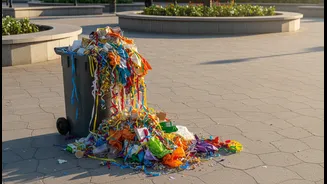
matter (PM2.5 and PM10) to spike, increasing three to ten times above safe limits in major cities. This creates a thick, hazardous smog that leads to a surge in respiratory illnesses and hospital admissions. The noise from these crackers often exceeds 120 decibels, far above the safe residential limit of 55 dB, causing stress to humans and animals alike. Similarly, the immersion of idols, often made with toxic paints and Plaster of Paris, pollutes rivers and lakes, while mounds of single-use plastics and other waste choke public spaces and landfills. The current approach of last-minute regulations, such as temporary firecracker bans, has proven largely ineffective against the scale of the problem.
The Shortcomings of Reactive Measures
For years, the official response to festive pollution has been a patchwork of court orders and eleventh-hour government circulars. The National Green Tribunal (NGT) and various High Courts have repeatedly intervened, imposing bans or time restrictions on firecrackers and issuing guidelines for idol immersions. The Central Pollution Control Board (CPCB) has comprehensive guidelines that advocate for eco-friendly materials, designated immersion zones, and management of post-festival waste. However, enforcement on the ground remains inconsistent and often fails to create lasting change. These reactive measures often come too late and are perceived by some as an infringement on tradition, leading to widespread flouting of rules. This cycle of crisis-management ignores the root of the issue: the absence of a long-term, integrated urban planning strategy designed to accommodate and manage festive activities sustainably.
A Blueprint for Proactive Planning
Instead of scrambling annually, what if our cities planned for festivals with the same seriousness they apply to infrastructure projects? A proactive approach would move beyond simple bans and focus on creating a supportive ecosystem for greener celebrations. This involves several key strategies. First, establishing permanent, designated zones for community firecracker displays, away from residential and ecologically sensitive areas. This would allow for easier monitoring and cleanup while still preserving the celebratory spectacle. Second, investing in a circular economy for festival materials. This means creating city-wide systems for composting the massive amounts of floral waste (“nirmalya”) and setting up collection and recycling channels for decorations and other materials. Third, cities can promote and incentivise the use of eco-friendly idols made from natural clay and dyes by supporting artisans and making these alternatives more accessible and affordable than their polluting counterparts.
Infrastructure and Public Engagement
The foundation of this proactive model is permanent infrastructure. Instead of temporary solutions, cities should invest in building a network of artificial immersion ponds to prevent the pollution of natural water bodies. Bengaluru's model of using mobile tanks and designated immersion spots is a step in this direction. Furthermore, robust waste management systems need to be in place not just after the festival, but throughout the year, with an enhanced capacity to handle the predictable surge in festive waste. Critically, this shift requires massive public awareness campaigns that run year-round, not just in the weeks before a festival. The goal is not to diminish the joy of celebration but to reframe it around community, sustainability, and shared responsibility. As some experts suggest, this is about moving towards 'Green Devotion,' where faith and environmental consciousness go hand in hand.