




The Undisputed Reign of Namkeen
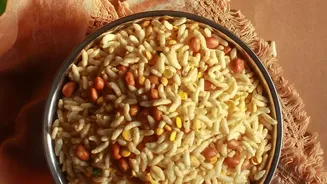
For generations, traditional snacks have been the heart of Indian munching culture. From the iconic Bikaneri bhujia to countless regional variations of mixtures and farsan, these savoury fried items are deeply woven into the country's social fabric. They
represent comfort, nostalgia, and the irreplaceable taste of home. The market for these beloved snacks remains incredibly strong and continues to grow, with traditional items like bhujia and namkeen matching the entire value of Western-style snacks. This isn't a story about the end of namkeen, but rather the expansion of a market that is making room for new preferences and players.
Health Consciousness Drives the Change
The primary catalyst for this evolution is a significant rise in health awareness. Growing urbanisation, busier lifestyles, and increased knowledge about lifestyle diseases are pushing consumers to seek healthier food choices. This is no longer a niche concern. Surveys show that a vast majority of Indian consumers now actively read labels and seek functional benefits from their snacks. One recent study found that 72% of people want snacks that offer energy, mood enhancement, or higher protein content. Another revealed that 86% consider protein an important factor when choosing a snack. This conscious consumerism has created fertile ground for an entirely new category of snacks to flourish.
Welcome to the New Snack Aisle
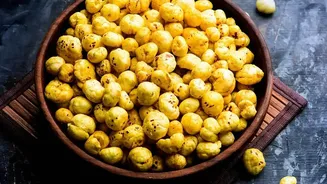
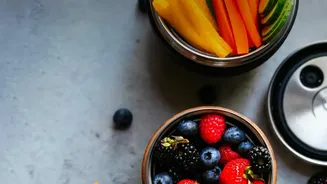
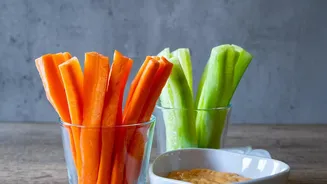
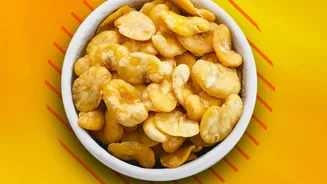
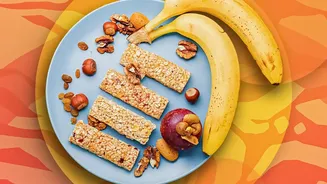
The modern Indian snack aisle looks vastly different than it did a decade ago. The 'healthy snack' market is booming, with projections expecting it to grow at a compound annual growth rate of over 8%. This category is incredibly diverse. Once a fasting-specific food, roasted and flavoured makhana (fox nuts) are now a mainstream alternative to fried chips. Nuts, seeds, and trail mixes are another dominant segment. The shelves are also filled with protein bars, millet-based crackers, baked-not-fried crisps, granola, and fruit-based bites. Even traditional ingredients like jowar, bajra, and ragi are being rediscovered and presented in modern, convenient formats like crackers and cookies.
The Rise of Challenger Brands
This transformation is being powered by a wave of innovative direct-to-consumer (D2C) brands. These startups are leveraging e-commerce and quick-commerce platforms to reach customers directly, bypassing traditional retail middlemen. This model allows them to be more agile, using social media and direct feedback to innovate quickly. They are capturing consumer attention with clean labels, transparent ingredient lists, and unique flavours that cater to modern palates. This has made the snacking industry one of the most competitive D2C categories in India, with legacy companies also launching their own digital-first brands and healthier product lines to keep pace.
A Blend of Global and Local
While health is a major driver, taste remains paramount for Indian consumers. The new snacking landscape is not about bland health food; it's about flavour innovation. This includes the introduction of global tastes, with Korean-inspired spicy and sweet flavours finding a genuine audience, especially among younger demographics. At the same time, there's a renewed interest in authentic, regional Indian flavours. New brands are taking traditional recipes, like Kerala's banana chips or Eastern India's Jhuri Aloo Bhaja, and giving them premium, modern packaging to appeal to a national audience. This blend of the familiar and the foreign, the healthy and the flavourful, defines the new Indian snack basket.