


The Ultimate Recycling Program
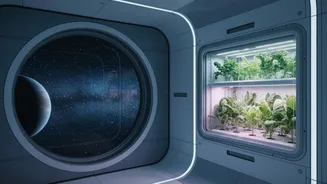
Imagine living in a house where everything you exhale, sweat, or flush away is turned back into fresh air and clean water. That is the core concept behind a closed-loop Environmental Control and Life Support System (ECLSS). Unlike early space missions
that carried all necessary supplies like a camper on a weekend trip, long-term lunar habitats cannot afford the constant, expensive resupply from Earth. A closed-loop system is designed to be a miniature, mechanical version of Earth's own ecosystem. It aims to recycle and regenerate vital consumables like water and oxygen, dramatically reducing the mass that needs to be launched from our home planet. This technology is not just an upgrade; it is the fundamental enabler for a sustainable human presence on the Moon and beyond.
Manufacturing a Breathable Atmosphere
In a sealed habitat, the simple act of breathing becomes a complex engineering challenge. Astronauts consume oxygen and exhale carbon dioxide (CO2), which can become toxic in high concentrations. An ECLSS actively manages the air. First, it scrubs the CO2 from the cabin atmosphere, often using beds of porous materials like zeolites that trap the CO2 molecules. Then comes the clever part: generating new oxygen. Most systems use a process called electrolysis, which passes an electric current through water (H2O) to split it into breathable oxygen and hydrogen gas. To make this process even more efficient, advanced systems use a Sabatier reactor. This combines the captured CO2 with the hydrogen from electrolysis to create more water and methane. The water is cycled back into the system to create more oxygen, while the methane is typically vented into space, though future applications could see it used as fuel.
Every Drop Counts: Reclaiming Water
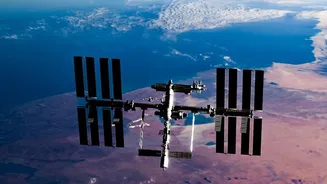
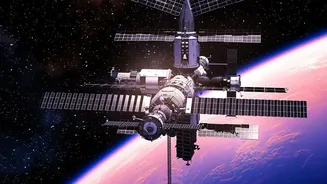
On the Moon, water is more precious than gold. A closed-loop system treats every potential source of water as a valuable resource. This includes moisture from the crew's breath and sweat, which is captured by advanced dehumidifiers. It also includes wastewater from hygiene activities and, most impressively, urine. The International Space Station (ISS) already uses a highly effective Water Recovery System that can reclaim up to 98% of the water onboard. This system uses a series of filters, a catalytic oxidation process to break down contaminants, and a process of vacuum distillation for urine. While the idea of drinking processed urine might sound unsettling, the resulting water is often purer than what most people drink on Earth. This level of recycling is essential, eliminating the need to launch thousands of kilograms of water per year.
The Harsh Lunar Reality
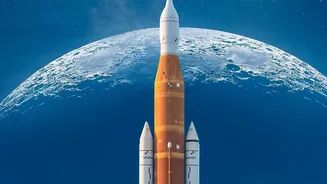
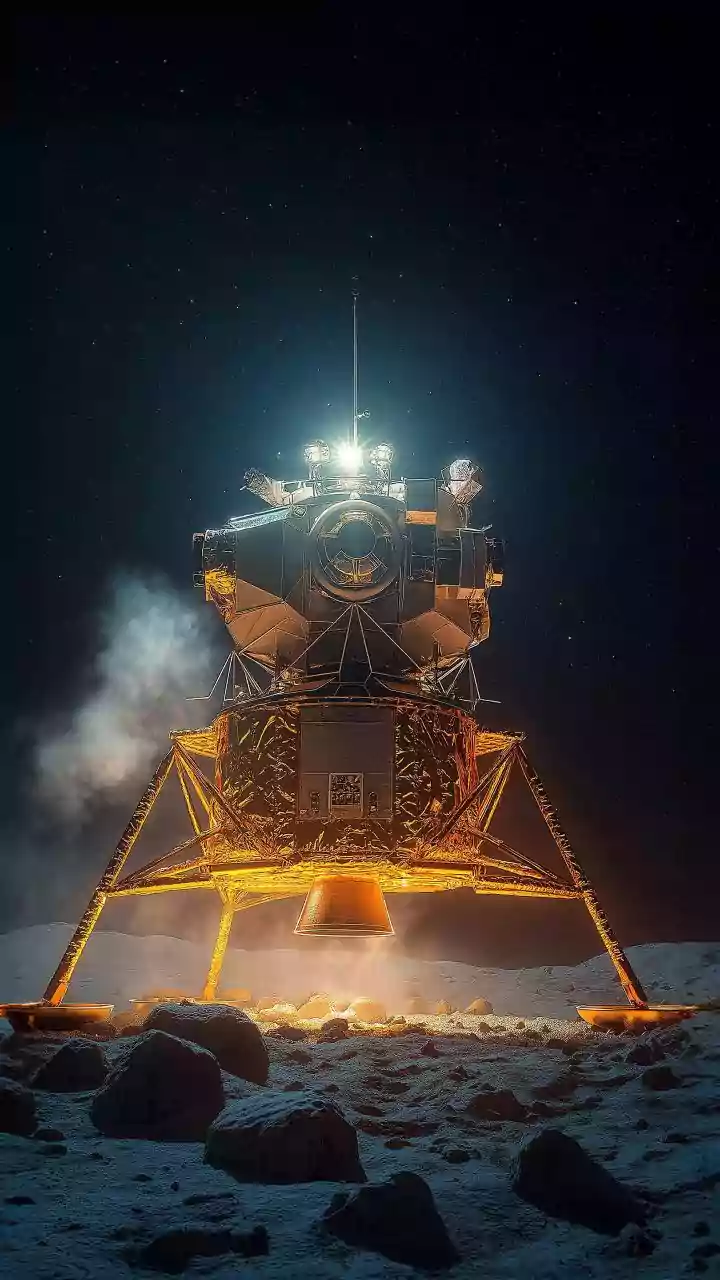
While the principles of closed-loop systems are proven on the ISS, implementing them on the Moon presents unique and formidable challenges. The lunar surface is an environment of extremes, with temperatures swinging wildly from over 100°C in sunlight to below -150°C in darkness. More problematic is the lunar dust, or regolith. This fine, abrasive powder is electrostatically charged and gets everywhere, posing a serious threat to the delicate moving parts and filters within an ECLSS. Furthermore, any system on the Moon must be incredibly reliable and capable of operating for years with minimal maintenance, as a critical failure could be catastrophic. The systems being designed for NASA's Artemis program and future bases must therefore be not only efficient but exceptionally robust to handle these lunar-specific hazards.