


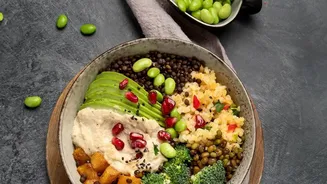

Why Protein is the Morning MVP
For years, many traditional Indian breakfasts like poha, upma, or idli have been rich in carbohydrates but relatively low in protein, often providing just 4-8 grams per serving. While delicious, these meals can lead to a rapid spike and subsequent crash
in blood sugar, leaving you feeling hungry and sluggish by mid-morning. A high-protein breakfast, on the other hand, digests more slowly. This helps to stabilize blood sugar levels, control appetite, and reduce cravings throughout the day. Nutrition experts suggest that aiming for 20 to 30 grams of protein at breakfast can significantly improve satiety, support muscle health, and provide sustained energy.
The New Generation of Quick Protein
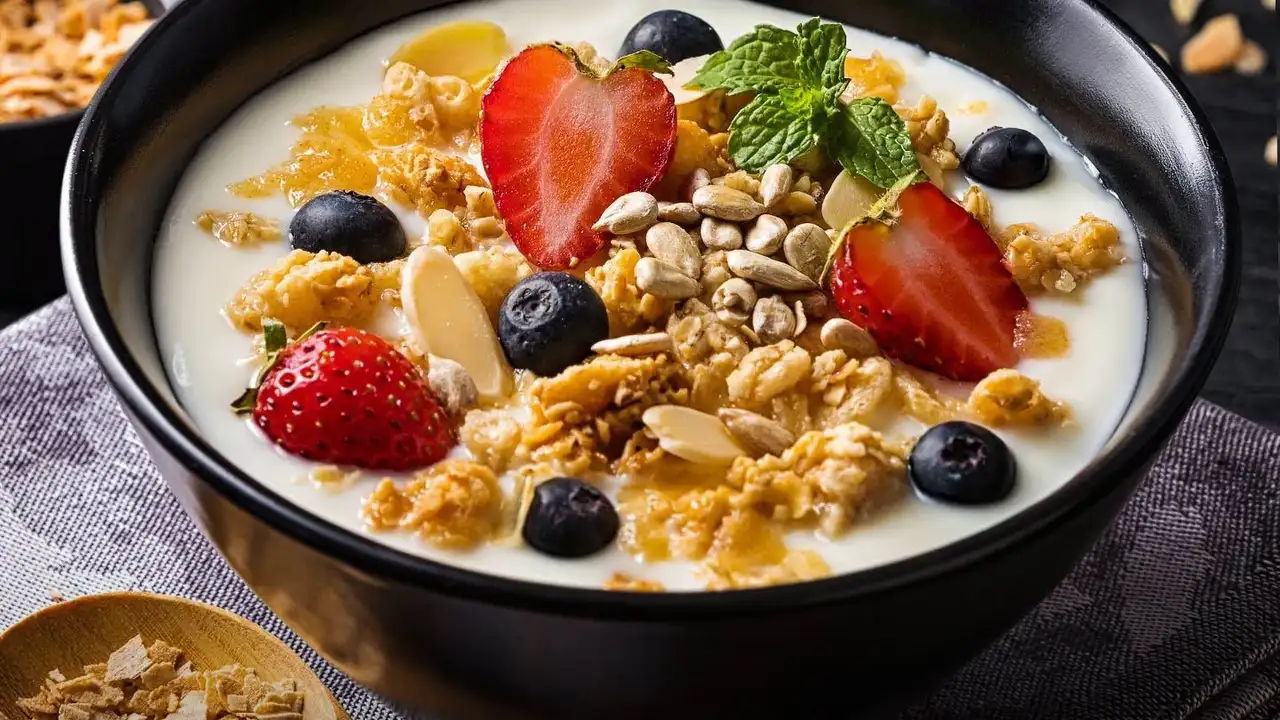
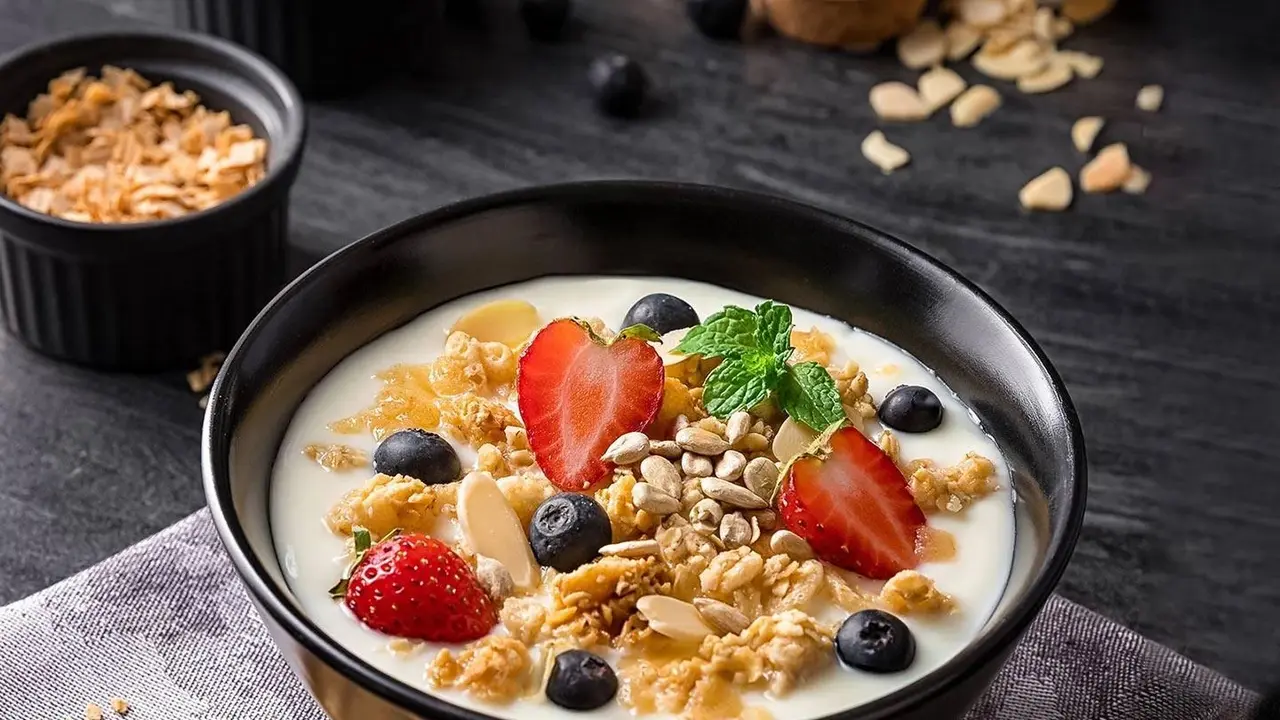
The good news is that meeting this protein goal no longer requires a complicated, time-consuming cooking session. The market has responded to the demand for convenient, high-protein options. For vegetarians, quick choices include protein-fortified foods and traditional ingredients used in new ways. Unsweetened Greek yogurt or thick hung curd, for example, has nearly double the protein of regular dahi and can be prepared in minutes. Similarly, protein powders are no longer just for gym-goers; they can be easily added to smoothies, oatmeal, or even pancake batter. Ready-to-cook mixes for items like moong dal chilla or millet dosa are also gaining popularity, offering a traditional taste with a guaranteed protein punch.
Savory, Simple & Satisfying Ideas
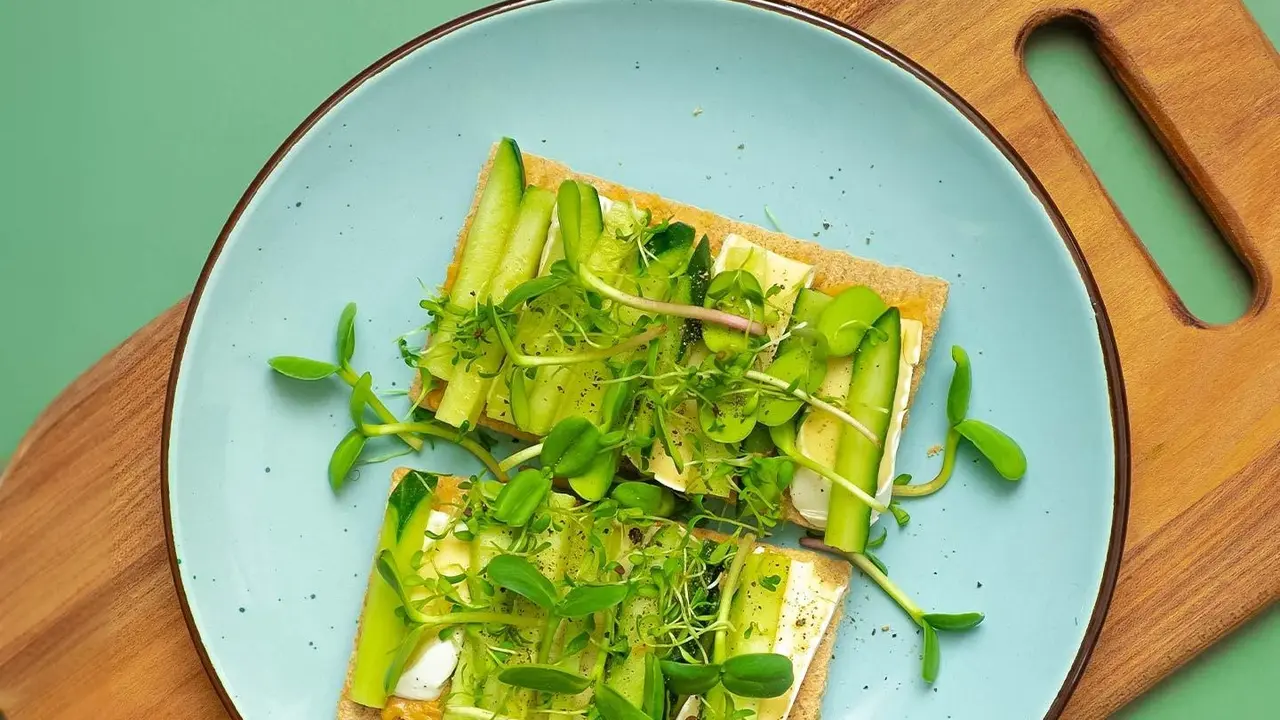
If you prefer a savory start to your day, there are plenty of quick and satisfying options that go far beyond a simple slice of toast. Eggs remain a classic for a reason, with a single egg providing about 6 grams of high-quality protein. A two or three-egg bhurji or omelette loaded with vegetables can easily provide 14 to 18 grams of protein. Paneer is another vegetarian powerhouse; a simple paneer bhurji can offer 18 to 20 grams of protein per serving and is ready in about 10 minutes. Even leftovers can be repurposed for a protein boost—mashing leftover rajma or chana onto whole-wheat toast creates a filling and fibre-rich meal in minutes.
Smart Swaps for an Instant Upgrade
You don't need to completely overhaul your favourite breakfasts to reap the benefits. Small, strategic swaps can make a big difference. If you enjoy poha, consider adding roasted peanuts, sprouts, or crumbled paneer to increase its protein content. Instead of a plain paratha, a version stuffed with paneer, tofu, or sattu (roasted gram flour) can turn it into a high-protein meal. Sattu itself is a fantastic and underrated ingredient; a simple sattu sharbat can be prepared in minutes and provides around 15 grams of protein. Switching from regular dahi to Greek yogurt or hung curd as a side or a base for a parfait is another simple yet effective change.
Reading Labels and Making It a Habit
When choosing packaged foods that claim to be 'high-protein,' it's wise to read the nutrition label. Look for the grams of protein per serving and compare it to the sugar content. A good high-protein product will have a significantly higher protein count than sugar. To make a high-protein breakfast a consistent habit, a little preparation goes a long way. You can boil eggs, make a batch of sprouts, or prepare chilla batter over the weekend. This way, assembling a nutritious meal on a busy weekday morning takes just a few minutes, setting you up for a more energized and productive day ahead.