







From Feed to Fork, Instantly
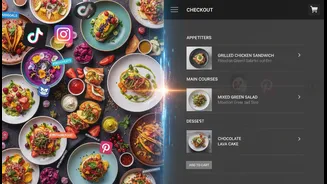
The journey of a food trend in India has become incredibly short. A dish can go from a niche food blogger’s Reel to a limited-time offer at cafes across metro cities in a matter of weeks. This “camera eats first” culture means dishes are often designed
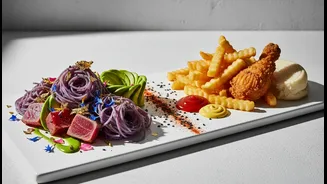
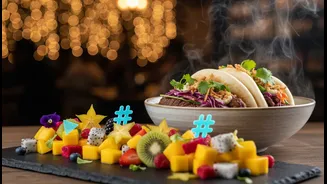
for visual appeal—think oversized platters, dramatic presentations like smoking cocktails, or fusion creations like kunafa-topped cheesecakes. The goal is simple: create content that stops people from scrolling. Restaurants and even street food vendors now act like content businesses, tracking online trends and quickly replicating them to attract footfall. A single viral video can turn a simple dessert into a city-wide must-try item, demonstrating the immense power of social media in driving immediate consumer demand.
The Economics of Hype
For restaurant owners, chasing trends is less a choice and more a survival strategy in a competitive market. The primary driver is visibility. Viral dishes function as low-cost marketing, bringing in first-time customers who come specifically for the trendy item they saw online. Once inside, they are likely to explore the rest of the menu. This is particularly effective for smaller, independent cafes that can innovate and launch a new dish within days, adapting to trends much faster than larger chains with complex supply lines. The pressure is intense; ignoring viral trends is seen as no longer being an option. In a market with shrinking attention spans, online attention, whether positive or negative, translates directly into business.
The Problem with Speed
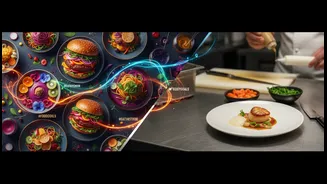
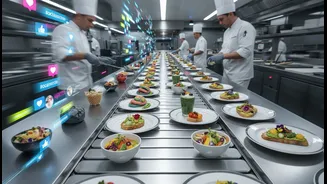
However, this high-speed innovation comes at a cost, creating a significant gap between fleeting trends and sustainable menu development. The lifecycle of these viral foods is brutally short. A dish that is everywhere one month can be completely forgotten the next. This creates immense operational challenges for kitchens, from sourcing ingredients to training staff for a dish that will soon be obsolete. There are also concerns about a decline in quality, as the focus shifts from perfecting taste and consistency to perfecting the visual presentation for social media. Chef Kunal Kapur has noted that social media can create confusion, with a constant barrage of new 'superfoods' and trends that may not be suitable for everyone. This frantic pace can lead to food waste and kitchen burnout.
Are We Just Chasing Likes?
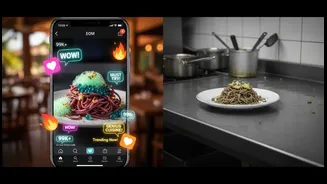
Consumers are also caught in this rapid cycle. The desire to participate in a trend and share the experience online is a powerful motivator. The dining experience has become a form of social currency, where the photo is often as important as the food itself. However, this often leads to a disconnect between expectation and reality. Many viral dishes, designed for their shocking or beautiful appearance, fail to deliver on taste or value. There are signs of growing consumer caution, with diners starting to cross-check social media hype with reviews on other platforms before visiting. While trying new things is part of the fun, the relentless pursuit of the next viral bite raises questions about whether we are prioritising novelty over genuine culinary quality.
Beyond the Hype: What's Next?
While the cycle of viral trends continues, a counter-movement is also taking shape. Some chefs and restaurants are intentionally stepping off the trend treadmill to focus on long-term sustainability, both in their business models and their ingredients. There is a growing appreciation for hyper-regional Indian cuisine, celebrating flavours and traditions that tell a deeper story than a fleeting trend. Similarly, a focus on health and wellness, with an emphasis on clean labels and high-protein options, is gaining steady ground beyond just niche audiences. As Chef Sanjeev Kapoor points out, many global trends like matcha or kombucha often fade because they don't align with the Indian palate in the long run, unlike dishes that can be adapted. The future may lie in a more balanced approach, where restaurants use trends strategically without sacrificing their core identity and commitment to quality.