


Official vs. Private Bookings: What's the Difference?
When planning your Kaziranga safari, you have two main booking routes: directly with government-authorised entities or through private tour operators and hotels. Direct booking is done via the official government portal or at the physical counters at the park's
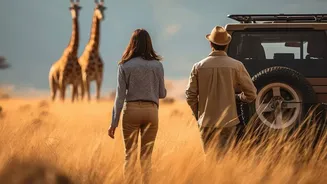
range offices. This is often the cheapest method, but it can be more hands-on, sometimes requiring you to arrange your own jeep and guide separately after securing the entry permit. Private operators, including local travel agents and the hotel you might be staying at, offer a more convenient, all-in-one package. They handle the permits, vehicle, and guide for a consolidated fee. While this costs more, it removes the hassle of coordinating different elements, which can be especially valuable during the peak season when permits sell out quickly.
How to Book Your Safari: A Step-by-Step Guide
For jeep safaris, the most reliable way to book in advance is online. The Assam government has official portals where you can select your date, time slot, and safari zone. You will need to provide valid photo identification for all passengers, such as an Aadhaar card for Indian nationals or a passport for international visitors. Be aware that many websites appear official but are private agencies. For elephant safaris, the process is different. These have very limited slots and are typically booked on-site, on a first-come, first-served basis. This often means arriving at the booking counter at the respective range office (Kohora for Central Range, Bagori for Western Range) as early as 4:30 AM. Due to their popularity and limited availability, no operator can truly guarantee an elephant safari slot in advance.
Choosing Your Safari Zone
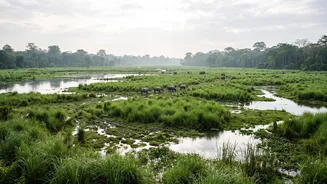
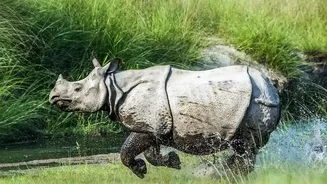
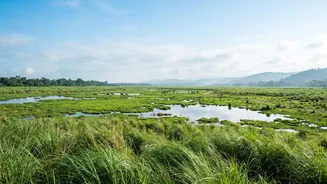
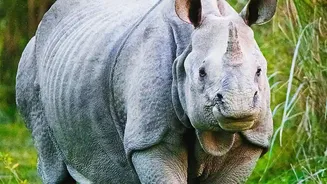
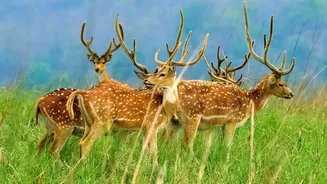
Kaziranga is divided into four main safari zones, each offering a unique experience. The Central Range (Kohora) is the most popular, offering a balanced mix of grasslands and wetlands, and is ideal for first-time visitors due to its high density of wildlife and convenient location near most hotels. The Western Range (Bagori) is renowned for having the highest density of rhinos and offers fantastic photographic opportunities in its open grasslands. For birdwatchers, the Eastern Range (Agaratoli) with its vast water bodies is a paradise. The Burapahar Range offers a quieter, more rugged experience with its hilly terrain and forests, and is a good place to spot Hoolock Gibbons.
Jeep Safari vs. Elephant Safari
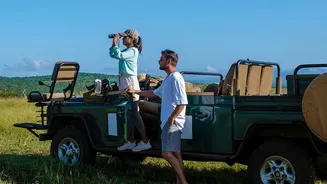
The park offers two distinct safari experiences: by jeep and on elephant back. A jeep safari is the most common choice, lasting around two hours and covering a large area of the park. This gives you a better chance of seeing a wider variety of animals and is more comfortable for families and those with photography equipment. The elephant safari is a one-hour ride, available only in the early mornings in the Central and Western ranges. Its unique advantage is the ability to go off-track into the tall elephant grass, offering incredibly close encounters with rhinos in their resting spots—an angle a jeep cannot provide. Many seasoned visitors recommend doing both if time and budget permit to get a complete picture of the park.
Costs, Timings, and Key Tips
Jeep safari costs for a whole vehicle (which can accommodate up to six people) typically range from ₹3,000 to ₹5,500 for Indian nationals, including permits, guide, and vehicle charges. Elephant safaris are charged per person, costing around ₹1,150 to ₹1,800. Jeep safaris run in two shifts: morning (from around 7:30 AM) and afternoon (from around 1:30 PM). Elephant safaris are only conducted at dawn. The park is generally open from November to April, with the best wildlife sightings often in the drier months of March and April. Always book well in advance, especially for the peak season from December to March, as slots fill up fast.