




The Unique Challenge of a Humid Run
Running in high humidity is uniquely taxing. The moisture-saturated air prevents your sweat from evaporating, which is your body's primary cooling system. As a result, your core body temperature rises, and your cardiovascular system goes into overdrive.
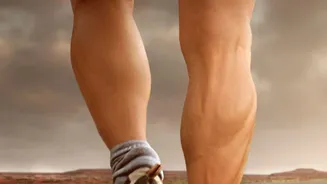
Your heart has to work much harder to pump blood to your skin to try and shed heat, all while still supplying oxygen to your working muscles. This leads to a higher heart rate, greater fluid loss, and a feeling of systemic exhaustion that goes beyond simple muscle soreness. The fatigue you feel isn't just in your legs; it's a full-body, thermoregulatory stress.
The Standard Play: Ice Tubs
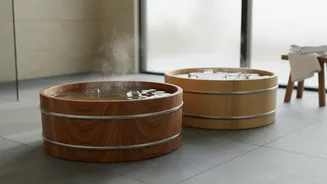
For decades, athletes have sworn by ice baths, or cryotherapy, for post-exercise recovery. The logic is sound: plunging into icy water causes blood vessels to constrict, which can help reduce inflammation, muscle swelling, and the perception of pain associated with delayed onset muscle soreness (DOMS). It’s a powerful tool for bringing down acute swelling and numbing tired, aching muscles. Many runners view it as a non-negotiable step after a long or intense effort, a surefire way to bounce back faster for the next session.
Where Ice Tubs Fall Short for Humidity Fatigue
While ice baths excel at managing inflammation, they are a blunt instrument for the specific challenges of a humidity-fatigued body. The primary issue after a humid run is a stressed-out thermoregulatory and circulatory system. An aggressive, full-body immersion in ice can be an intense shock to a system that is already struggling. The extreme vasoconstriction (tightening of blood vessels) is powerful, but it doesn't actively help restore the dynamic circulatory function your body needs to re-stabilize. In essence, an ice bath is a hard stop, not a reset button, and may not be the most nuanced approach when systemic stress is the main problem.
Enter the Contrast Shower: A Vascular Workout
A contrast shower involves alternating between hot and cold water. This practice, a form of hydrotherapy, creates a unique “pumping” action in your circulatory system. The hot water causes vasodilation, opening up your blood vessels and increasing blood flow. The subsequent switch to cold water causes vasoconstriction, tightening them. Repeating this cycle forces your blood vessels to expand and contract, effectively flushing metabolic waste from your muscles and boosting the delivery of fresh, oxygenated blood to your tissues. This process improves overall circulation and helps your body detoxify more efficiently.
The Humidity-Specific Advantage
Herein lies the key benefit for the humidity-fatigued runner. Instead of just clamping down on inflammation like an ice bath, the contrast shower actively supports the recovery of your circulatory system. That vascular pump helps restore normal function after the strain of trying to cool your body in humid air. It gently encourages your body to re-establish thermal balance without the aggressive shock of a prolonged ice plunge. This enhanced circulation can help you feel more refreshed and less systemically drained, addressing the root of humidity fatigue more directly than just targeting muscle soreness.
How to Take a Contrast Shower
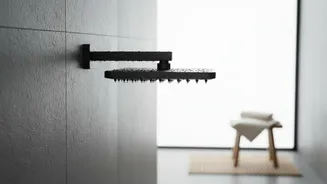
Ready to try it? The process is simple and requires no special equipment. Stand in the shower and follow this protocol: 1. Start with 2-3 minutes of hot water. Make it as warm as you can comfortably tolerate to get the blood flowing to your skin's surface. 2. Switch to 30-60 seconds of cold water. It will be a shock, so focus on steady breathing. 3. Repeat this cycle three to five times. The hot-cold alternation is where the magic happens. 4. Always end your final cycle with cold water. This helps continue the anti-inflammatory response and leaves you feeling invigorated. The entire process should take about 10-15 minutes.