



The New Green in Town
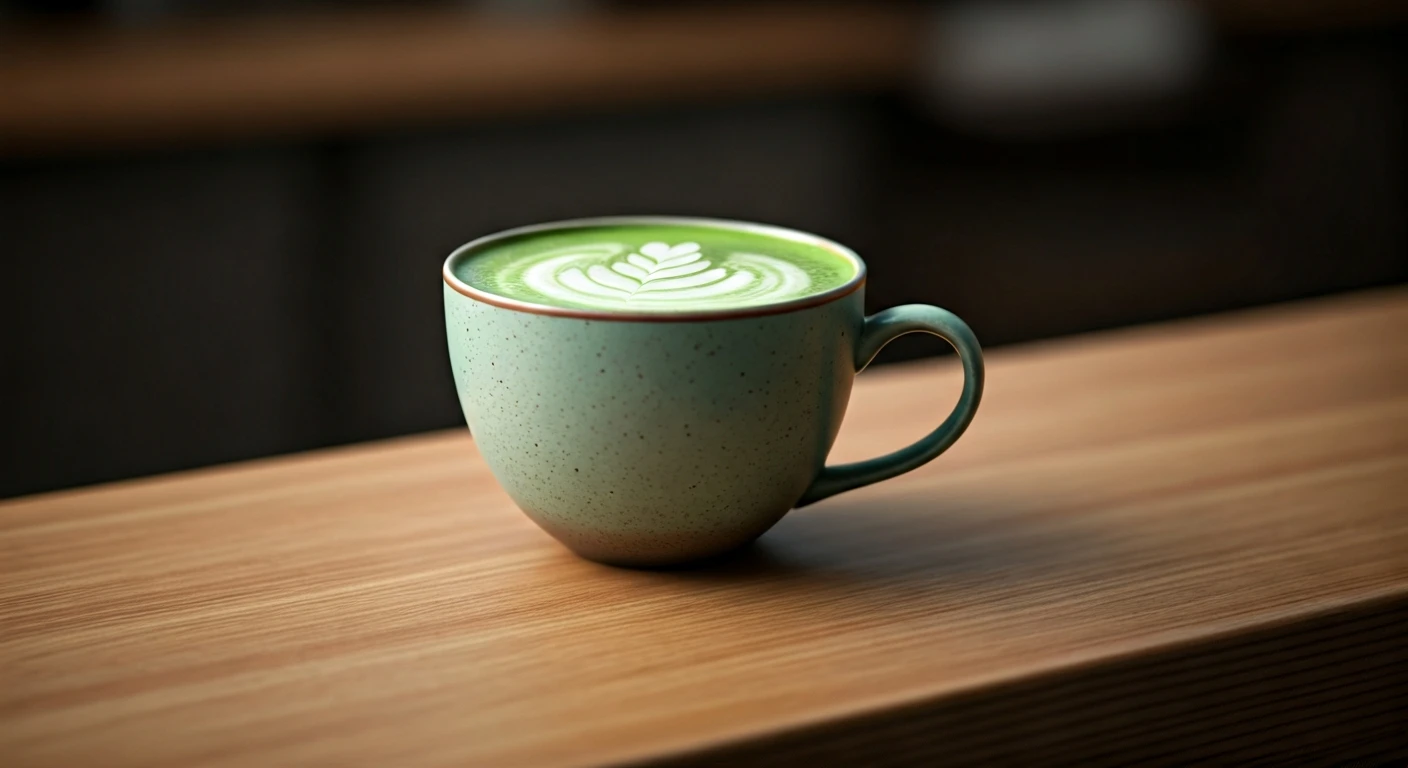
Forget the frothy cappuccino or the spiced masala chai for a moment. The drink currently dominating the tables of upscale cafes and the timelines of social media influencers across India's metropolitan hubs is a distinct, earthy green. The matcha latte,
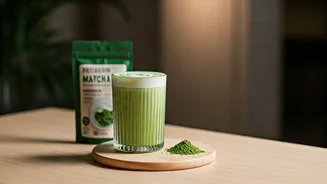
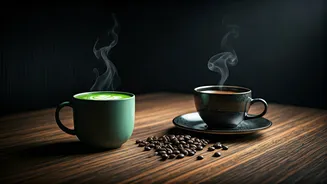
a creamy concoction of finely ground Japanese green tea leaves, steamed milk, and a touch of sweetener, has quietly moved from a niche health-food item to the beverage of the moment. Its presence signals a shift in urban tastes, where what you drink is as much a declaration of identity as what you wear.
Sipping on Cultural Capital
So, what makes a ₹400-₹500 cup of tea a status symbol? It’s not just about the price tag, though that’s certainly part of it. The cost immediately positions it as a luxury, a departure from the everyday. But the ‘status’ it confers is more complex. Drinking matcha signals a certain kind of global awareness. It whispers that you are well-travelled (or at least have a well-travelled palate), that you are in tune with international wellness trends, and that you appreciate the nuanced, slightly bitter taste profile that stands in contrast to sweeter, more mainstream options. It's a form of cultural capital, served hot or iced.
The Price of Wellness
At the heart of matcha's appeal is the modern obsession with wellness. Marketed for its high antioxidant content, calming L-theanine amino acid, and gentle caffeine boost without the jitters of coffee, matcha is positioned as a virtuous indulgence. It’s not just a drink; it's a small investment in your health and well-being. In a culture increasingly focused on self-care, choosing a matcha latte feels like a productive, healthy decision. This aligns perfectly with the premium we place on ‘clean living’, making the high cost feel less like an expense and more like a justifiable part of a healthy lifestyle.
A Drink Made for Instagram
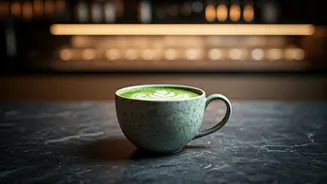
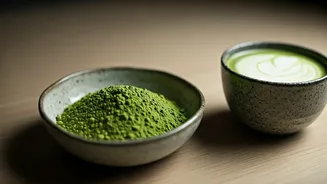
Let’s be honest: matcha is incredibly photogenic. Its vibrant, almost unnatural shade of green pops against the minimalist ceramic bowls and artisanal stoneware it’s often served in. The contrast with the white foam of a perfectly poured latte art is an aesthetic that seems tailor-made for an Instagram grid. In the visual economy of social media, where we curate our lives for an audience, the matcha latte is a perfect prop. It communicates sophistication, health-consciousness, and an eye for beauty in a single, square-cropped image. It’s less a beverage and more a piece of lifestyle content.
Beyond the Coffee Monoculture
The rise of matcha also speaks to a growing desire for alternatives in a cafe scene long dominated by coffee. As specialty coffee chains have educated the urban Indian palate, consumers have become more adventurous, seeking new flavours and experiences. Matcha offers a complex, sophisticated alternative for those who are either tired of coffee or seeking a different kind of buzz. It represents a maturation of our cafe culture—a move towards a more diverse menu where tea, in its most premium form, can finally compete with the long-reigning espresso.