


An Emotion, Not Just a Food
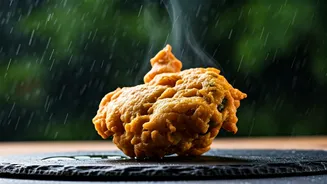
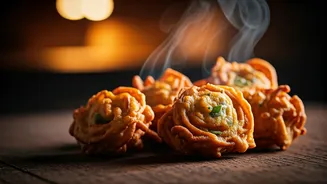
To call a pakora a mere 'fritter' is to do it a great injustice. It’s like calling the monsoon 'just rain'. In India, the pakora is not just a deep-fried snack; it's a feeling, a tradition, and a Pavlovian response to grey skies. It is the edible embodiment
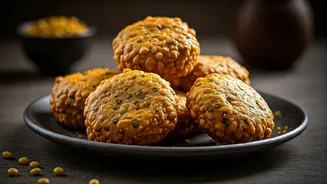
of comfort. The sound of batter sizzling in hot oil is the background score to a rainy afternoon, a promise of warmth and crunch against the damp chill outside. This humble snack, made from gram flour (besan) and a medley of vegetables or proteins, holds a place in the national psyche that few other foods can claim. It’s the taste of home, of impromptu gatherings, and of finding delight in the simplest of things.
A Unifier on a Plate
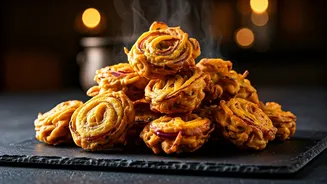
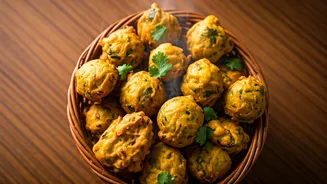
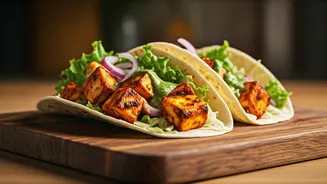
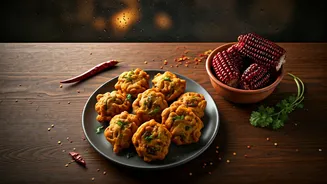
One of the pakora's greatest charms is its democratic nature. It's a culinary unifier in a country of staggering diversity. You will find a cart vendor expertly frying onion pakoras (kanda bhaji) on a bustling Mumbai street, their aroma drawing in office-goers and labourers alike. At the same time, delicate paneer or spinach pakoras might be served as an appetiser in an upscale Delhi restaurant. It’s the snack of choice for long train journeys, a staple at roadside dhabas on national highways, and the go-to offering for unexpected guests at home. It cuts across class, region, and occasion. Whether it's a simple potato slice dipped in batter or an elaborate bread pakora stuffed with spiced mash, the fundamental joy it delivers remains the same.
A Canvas for Creativity
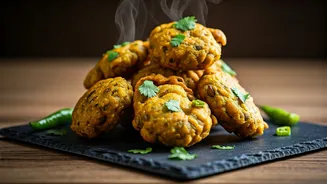
While the onion pakora reigns supreme in popular imagination, the world of pakoras is vast and endlessly creative. The basic formula—gram flour batter, spices, and something to be fried—is a canvas for culinary expression. In North India, you'll find spongy bread pakoras and hearty gobi (cauliflower) pakoras. Head to the east, and you might find fritters made from jute leaves or banana flowers. In the south, the 'bajji' takes precedence, with green chillies (milagai bajji) offering a fiery kick. Every household has its own secret recipe: a pinch of ajwain (carom seeds) for digestion, a bit of rice flour for extra crispiness, or a unique blend of spices in the batter. This adaptability is key to its enduring appeal; there’s a pakora for every palate and every pantry.
The Sacred Ritual of Chai-Pakora
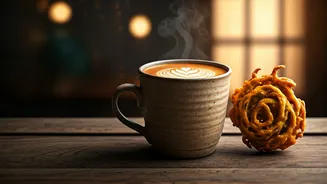
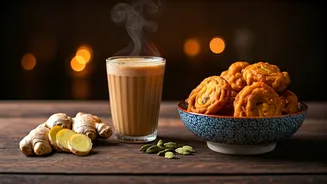
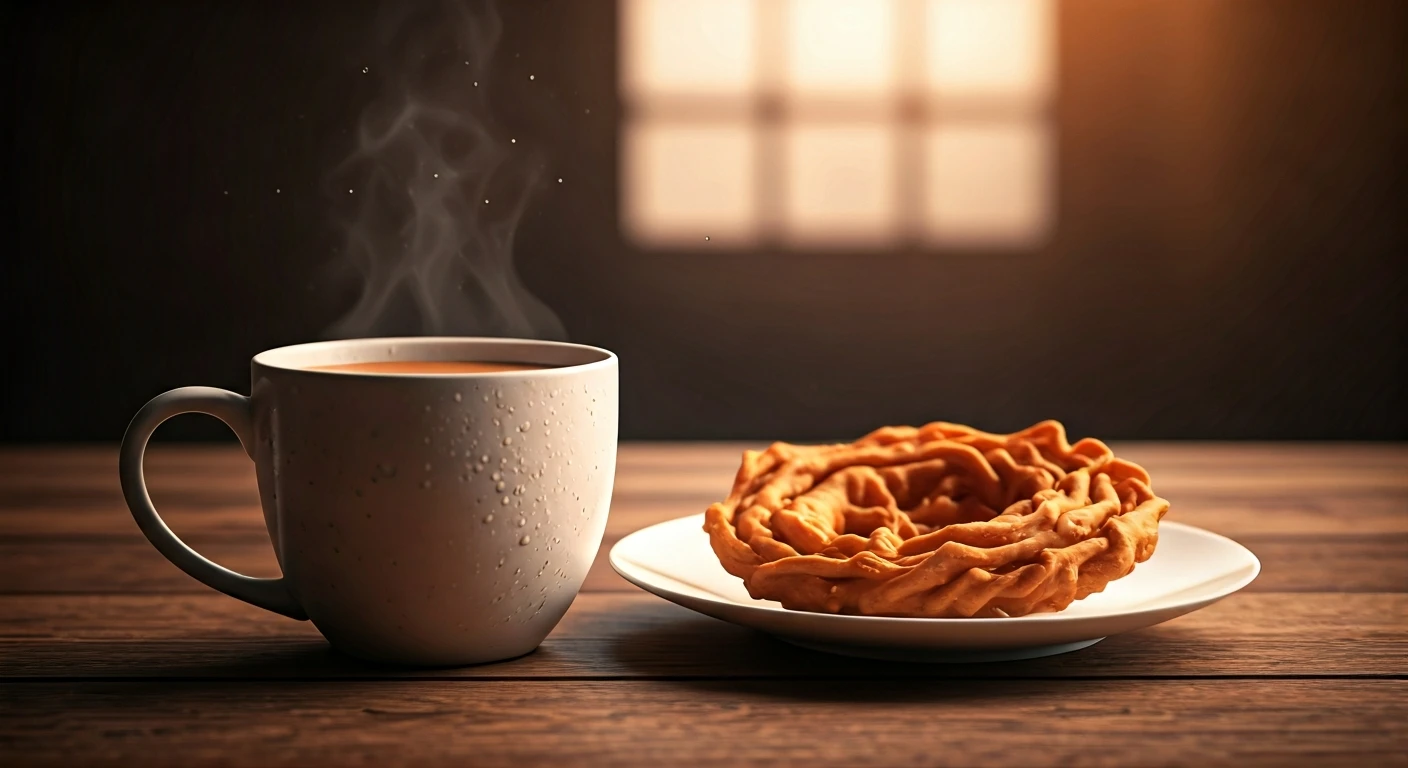
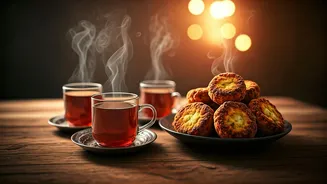
The pakora rarely travels alone. Its soulmate, its inseparable partner, is a steaming cup of masala chai. The pairing is so iconic it’s practically a cultural institution. The spicy, sweet, milky warmth of the tea is the perfect counterpoint to the savoury, crispy, and often oily goodness of the pakora. This combination isn’t just about taste; it’s about creating a moment. Chai-pakora is a signal to slow down, to gather with family or friends, and to engage in conversation. It’s the fuel for ‘adda’ sessions, where stories are shared and laughter rings out, all while the rain patters against the windowpane. This ritual transforms a simple snack into a shared experience, weaving it into the fabric of our social lives and memories.