






The Great Indian Coffee Awakening
Not long ago, coffee in India was a straightforward affair: either the strong, sweet filter kaapi of the south or a quick, milky cup of instant brew. Today, walk into any urban café from Mumbai to Bengaluru, and you will hear a different conversation,
one filled with terms like 'Arabica', 'pour-over', and 'single-origin'. This change is being driven by Millennials and Gen Z, who now account for nearly 65% of specialty coffee consumers in the country. They are trading the predictable taste of mass-market brands for a more sophisticated and personal coffee experience that emphasizes quality, flavour, and story over simple convenience. This is not just a passing trend; it reflects a larger cultural shift toward mindful consumption and an appreciation for craftsmanship.
What is 'Single-Origin' Anyway?
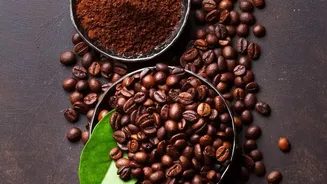
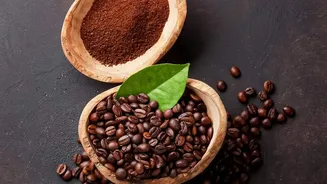
The term might sound complex, but the idea is simple. Single-origin coffee comes from a single, specific geographic location. This could be a single farm, a specific micro-climate within a region, or one particular estate. Unlike blends, which combine beans from different places to create a consistent flavour profile, single-origin coffees tell a story of their birthplace. The unique characteristics of the soil, altitude, climate, and processing methods all contribute to a distinct taste that cannot be replicated elsewhere. Think of it like the terroir in wine; you are tasting a specific place in every cup. For many young consumers, this traceability is a huge part of the appeal. They want to know where their coffee comes from and the story of the people who grew it.
From Chikmagalur to Your Cup
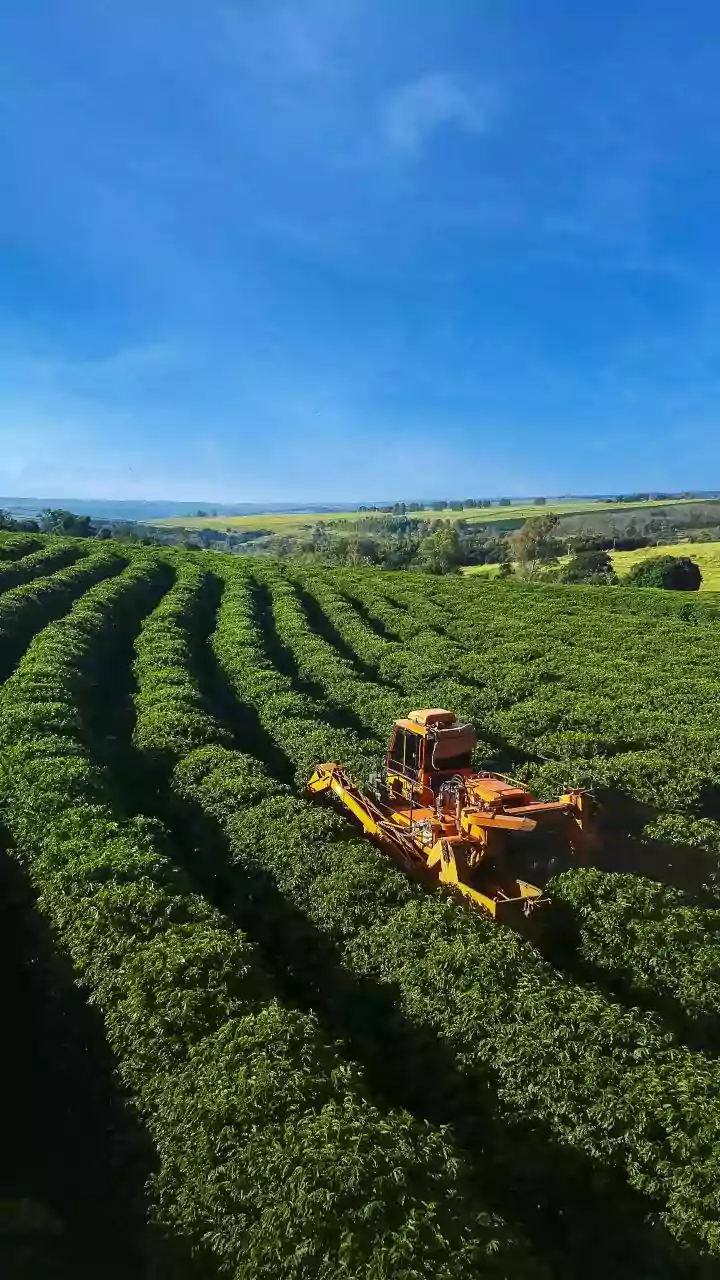
For years, many of India's highest-quality coffee beans were exported, with the domestic market largely favouring instant varieties. Now, that is changing. High-quality beans that were once destined for international markets are finding a new, appreciative audience at home. Estates in the traditional coffee-growing belts of the Western Ghats—regions like Chikmagalur, Coorg, and the Baba Budangiri hills—are becoming household names. Farms like Ratnagiri Estate, known for its environmental stewardship, and Baarbara Estate, run by fourth-generation planters, are now celebrated for their unique flavour profiles. This 'farm-to-cup' movement allows consumers to connect directly with the source, appreciating the nuanced flavours of beans grown in specific Indian terroirs, from the jamun plum notes of Karadibetta Estate to the cinnamon bark hints of Margolly Estate.
The Home Barista and Café Culture
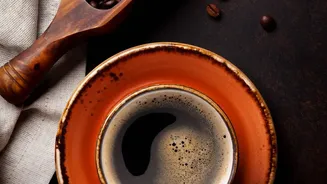
This coffee revolution is unfolding in two key places: the café and the kitchen. The rapid growth of specialty coffee chains and independent roasters has been pivotal. Brands like Blue Tokai, Third Wave Coffee, and a host of micro-roasters have made high-quality Indian coffee accessible, roasting beans to order and educating consumers. These cafés have become more than just places to get a drink; they are community hubs for work, socialising, and creativity. Simultaneously, the desire to replicate this café experience has fuelled a home-brewing boom. Young enthusiasts are investing in equipment like French presses and pour-over kits, grinding their own beans, and experimenting with brewing techniques, turning their daily coffee into a mindful ritual.
A Lifestyle Statement
Ultimately, the move towards specialty coffee is about more than just taste. For a generation fluent in the language of social media, the aesthetic appeal of a beautifully brewed coffee is undeniable, turning consumption into content. But beyond the visuals, it is a conscious choice. Younger consumers are seeking authenticity and experiences over mass-produced goods. They are drawn to the stories behind the beans, the transparency of ethical sourcing, and the community built around a shared passion. This shift reflects a broader change in Indian consumer behaviour, where a product's origin, quality, and the experience it offers are becoming just as important as the product itself.