




A video game that took 13 years to arrive has done more than just dominate screens; it has reshaped late-night routines. As millions dive into Grand Theft Auto VI, food delivery apps are reporting a fascinating surge in after-hours orders.
The Midnight Munchies Surge
On November
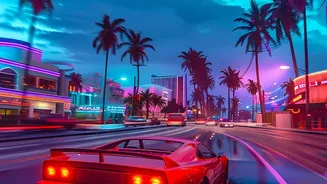
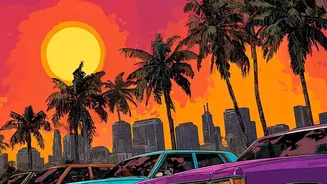
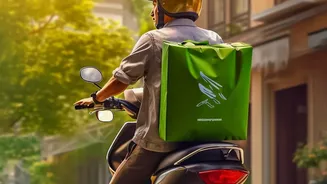
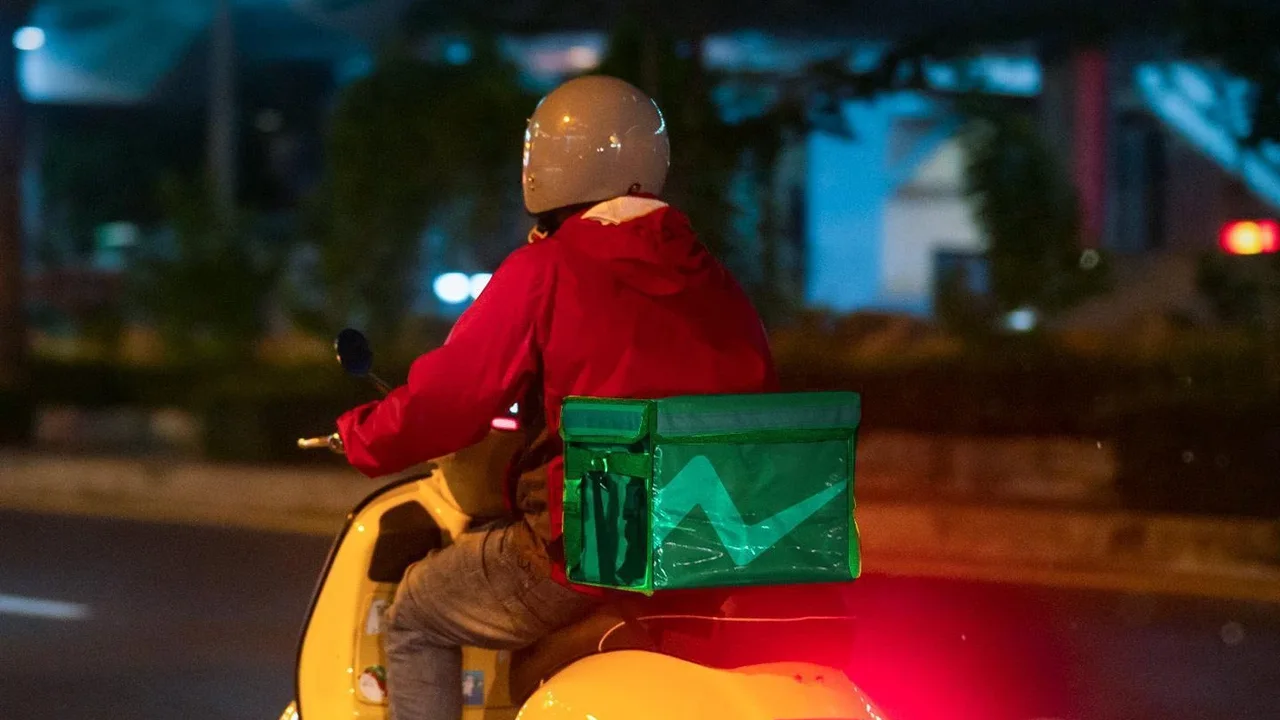
19, as 'Grand Theft Auto VI' finally launched, something predictable happened: millions of players disappeared into the fictional world of Vice City. But something else, far from the screen, also occurred: a nationwide spike in late-night food orders. Major US food delivery platforms like DoorDash and Uber Eats reported a significant jump in demand, directly coinciding with the game's release. DoorDash noted that orders for items like chips, burgers, and pizza climbed by over 10% between 9 p.m. and 2 a.m. on launch night, while energy drink orders surged by 20%. Uber Eats saw even more dramatic spikes in specific items, with orders for Red Bull Watermelon jumping by 95% and Totino's Pizza Rolls rising by 54%. The phenomenon was especially pronounced in Miami—the real-world inspiration for Vice City—where Uber Eats saw late-night orders increase by more than 30% compared to previous weeks. This wasn't just a hunger for food; it was a demand for convenience to fuel a cultural moment.
More Than a Game, It's an Event
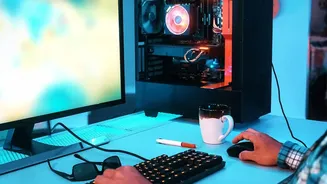
To understand the delivery boom, you have to understand the monumental anticipation for 'GTA VI'. Following a 13-year gap since its predecessor, the game became one of the most eagerly awaited entertainment products in history. Publisher Take-Two Interactive announced that the game shattered records with an estimated $3.79 billion in worldwide retail sales on its first day, calling it the biggest entertainment launch ever. This wasn't just a purchase; for many, it was a planned event. Payroll processor Gusto reported a 9% increase in paid-time-off requests for the game's release date, with some employees transparently listing 'GTA 6' as the reason. The launch became a rare moment of monoculture, with millions of people simultaneously downloading, playing, and watching streams of the game. This collective, home-based event created a massive, captive audience that had little intention of stepping away from the screen to cook.
The One-Handed Meal Economy
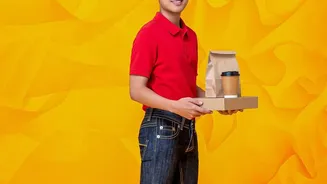
Food delivery companies were ready. Recognizing that dedicated players wouldn't want to put their controllers down, Uber Eats strategically promoted deals on foods that could be eaten with one hand. This included special offers on McDonald's McNuggets, Wingstop's boneless wings, and Burger King's Whopper Jr. The strategy paid off, creating what could be called a 'one-handed meal economy'. Beyond just food, the data tells a deeper story of last-minute preparation. DoorDash reported a staggering 450% increase in orders for gaming controllers and accessories, alongside a 440% jump for HDMI cables. In a statement, a DoorDash executive called the launch 'a cultural moment that fans have been waiting years for', underscoring their role in delivering not just food, but anything needed to fuel the experience. It's a clear signal that on-demand delivery has become an integral part of the modern entertainment ecosystem.
A New Playbook for Brands
The 'GTA VI' launch provides a new playbook for consumer brands. The ripple effect of a massive digital event on real-world commerce is undeniable. Market intelligence firm Sensor Tower forecasted that the game's release could drive as many as 50 million extra visits to food delivery and restaurant apps in the US within 30 days. This demonstrates a powerful link between digital engagement and physical-world spending. Restaurants also jumped on the trend with clever, timely promotions. Popeyes, for instance, released a limited-run 'Spice City Sandwich', a direct and playful nod to the game's setting. These savvy marketing moves show an understanding that today's biggest product launches aren't just for tech companies; they are cultural tides that lift other boats, especially those that cater to a focused and hungry audience.