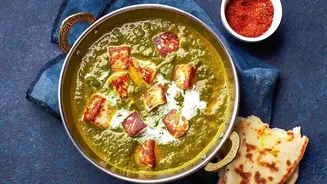




Beyond Butter Chicken and Paneer Tikka
For decades, eating out in urban India often meant choosing from a familiar, comforting, but limited playbook: North Indian, the ubiquitous 'Indian-Chinese,' and perhaps some Italian-American staples. While beloved, this standardisation is now giving
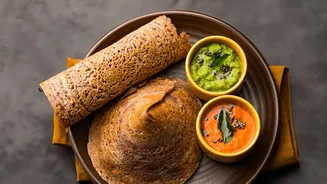
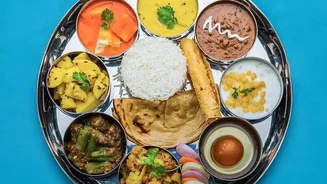
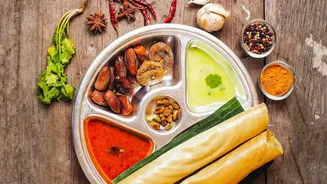
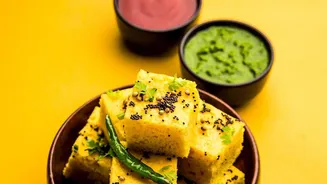
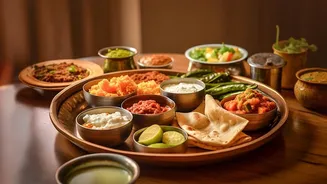
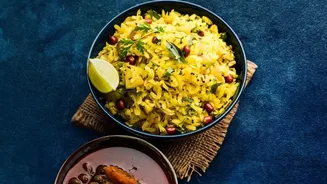
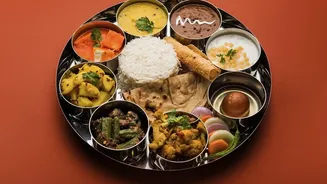
way to a delicious wave of specificity. Diners are increasingly looking beyond the generic, seeking out the distinct flavours of India's diverse states. Restaurants focusing on hyper-regional cuisines—from the smoky pork of Nagaland to the intricate vegetarian thalis of Karnataka—are gaining popularity. This movement is driven by a quest for authenticity and a sense of discovery. For many, it's also a taste of home. As Indians migrate between states for work and education, a craving for the food they grew up with has created a thriving market for restaurants that serve nostalgia on a plate.
The Global Palate Comes Home
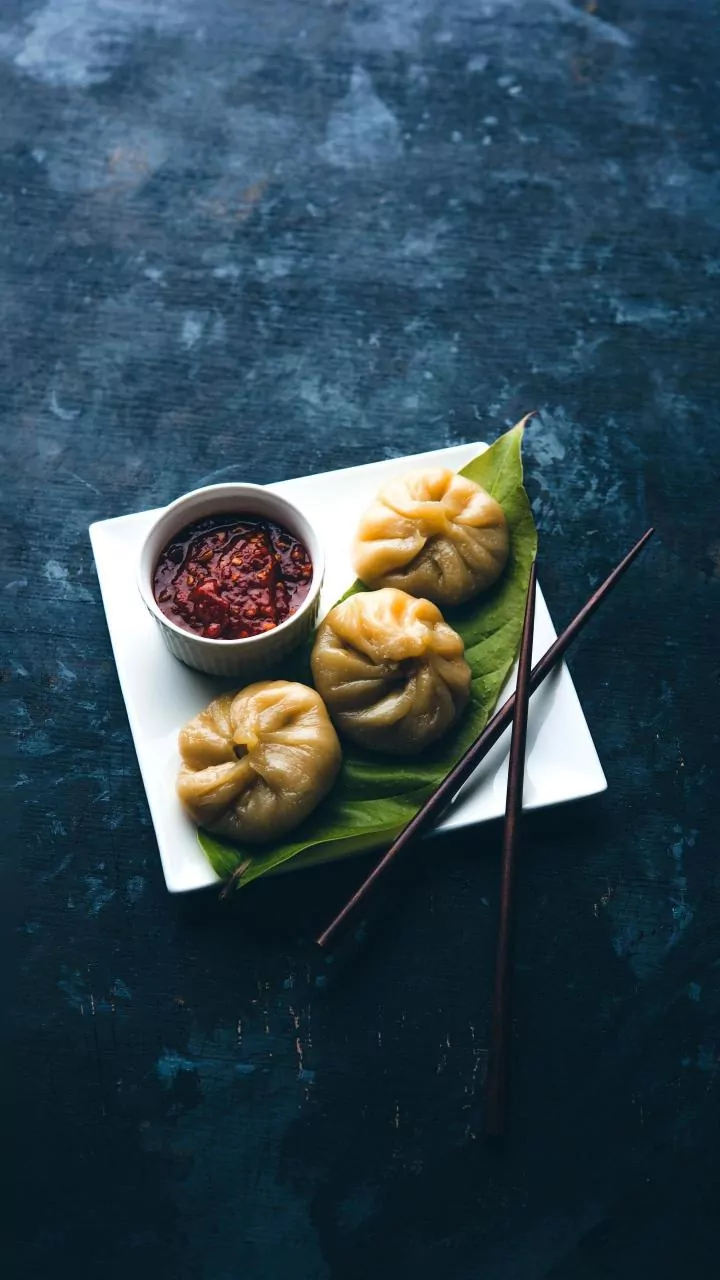
Parallel to the rediscovery of India’s own culinary heritage is an unprecedented embrace of global cuisines, with Japanese food leading the charge. Once an exotic luxury confined to five-star hotels, sushi has become as casual as pizza for many urban diners. The rise of Japanese pop culture, particularly anime, has created a generation of young Indians curious to taste the ramen and matcha they see on screen. This isn't just about importing foreign dishes; it's about adaptation. Chefs are cleverly localising menus with creations like paneer tikka maki and achari-flavoured sushi rolls, making the cuisine more approachable for a wider audience. The result is a boom in Japanese restaurant listings on delivery apps and a presence that now extends into Tier-2 and Tier-3 cities.
From the Himalayas to the High Street
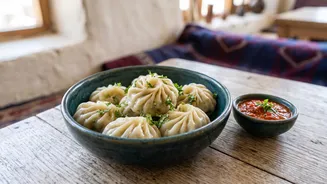
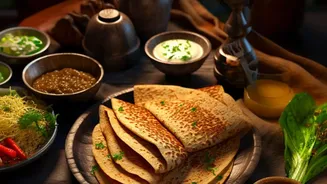
No cuisine better illustrates this intersection of regional pride and growing curiosity than Ladakhi food. Chefs in Ladakh are gaining national recognition for their work in preserving and elevating the region's culinary traditions. Restaurants are becoming destinations in themselves, with diners eager to try authentic dishes like khambir, a traditional bread, and hearty soups like thukpa. This focus on Himalayan ingredients and recipes is part of a larger trend where chefs act as cultural storytellers, travelling to remote villages to learn and document near-forgotten dishes. By bringing these flavours to a wider audience, they are not only preserving heritage but also shaping the future of Indian fine dining.
Why This Is Happening Now
Several factors are fuelling this cross-cultural dining boom. Increased domestic and international travel has broadened palates, while social media has turned food into a visual and shareable experience. A dish no longer needs to be familiar to be desirable; it just needs to be intriguing. Furthermore, today's diners, particularly millennials and Gen Z, are more adventurous. They seek experiences, not just meals, and are drawn to restaurants with a strong story. This has led to the rise of the 'multi-cuisine' menu, where a family can satisfy diverse cravings—from dal makhani to pasta and sushi—all at one table. It’s a format that reflects the reality of modern Indian families and their globalised tastes.