





Challenge 1: The Threat of Overwatering
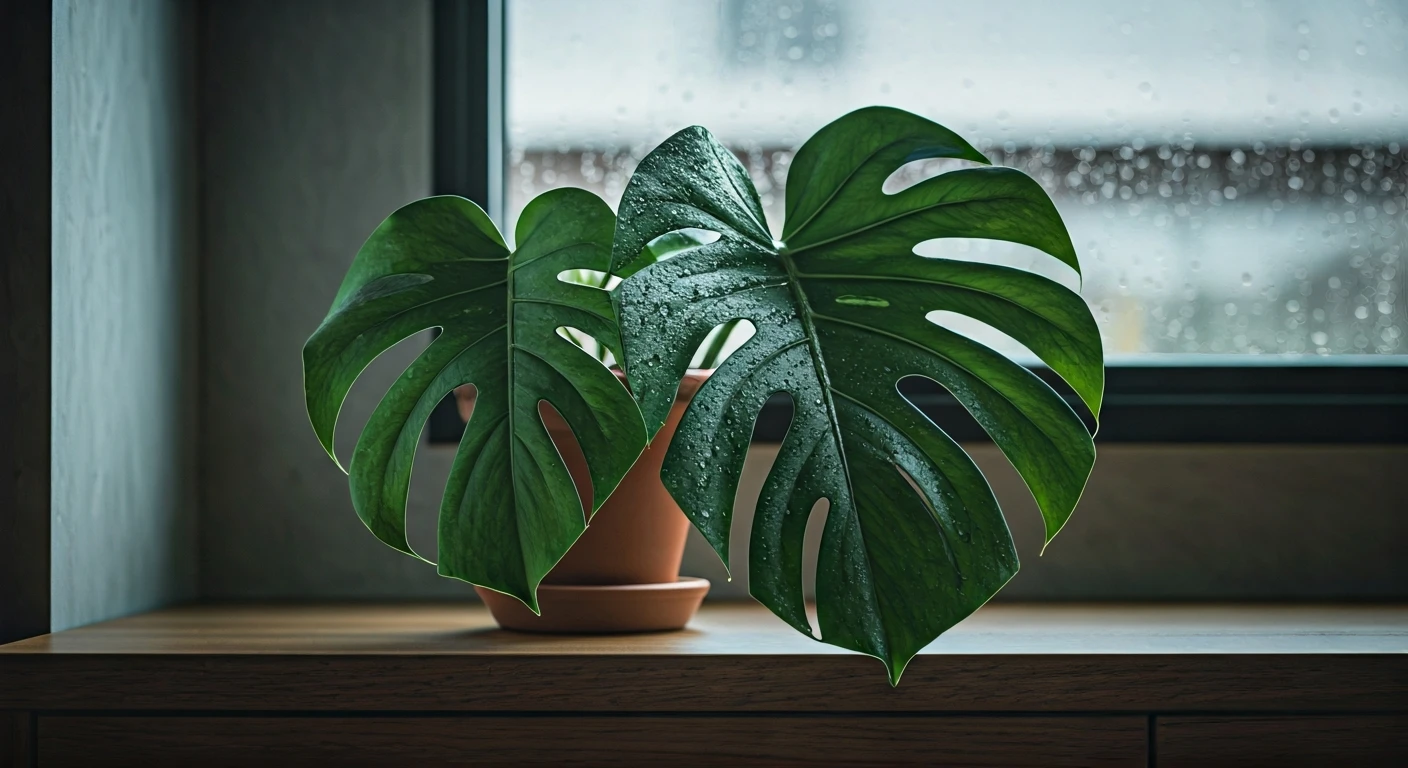
This is the most common and deadliest mistake during the monsoon. While outdoor plants are at the mercy of the downpour, even indoor plants suffer from the high humidity and reduced evaporation. Constant moisture suffocates roots, leading to root rot—a
condition from which most plants cannot recover. Yellowing leaves, a mushy base, and a musty smell from the soil are all classic signs. The Fix: Check the soil before you water. Poke your finger about an inch or two deep; if it feels damp, hold off. Ensure every pot has drainage holes. For plants on balconies or patios, try to move smaller pots under a roof during heavy rain. If a pot becomes waterlogged, gently tilt it to drain the excess. You can also place the pot on bricks or stands to improve air circulation underneath.
Challenge 2: The Rise of Fungal Infections
High humidity and damp foliage create the perfect breeding ground for fungal diseases like powdery mildew (a white, dusty coating on leaves) and black spot. These fungi not only look unsightly but also weaken the plant by hindering photosynthesis. They can spread quickly from one plant to another in the damp, still air of a crowded balcony garden. The Fix: Improve air circulation. Avoid cramming your plants together; give them space to breathe. Prune any overlapping branches or dense foliage to allow air to move freely. Water the soil, not the leaves, and do so in the morning so any splashes have time to dry. If you spot an infection, immediately remove the affected leaves. For a natural remedy, a solution of neem oil mixed with a mild liquid soap and water, sprayed once a week, can act as a preventative and a treatment.
Challenge 3: Unwanted Pests Moving In
The rainy season is a party for pests. Snails, slugs, aphids, and mealybugs thrive in the damp conditions. They chew through leaves, suck the sap from tender new growth, and can cause significant damage in a short amount of time. You might find them hiding on the undersides of leaves or near the plant's stem. The Fix: Regular inspection is your best defence. Check your plants every couple of days, paying close attention to new shoots and the undersides of leaves. Aphids and mealybugs can often be blasted off with a jet of water or wiped away with a cotton swab dipped in rubbing alcohol. For snails and slugs, a simple beer trap (a shallow dish of beer buried to the rim in the soil) can be effective. Keeping the area around your pots clean and free of debris will also reduce hiding spots for these pests.
Challenge 4: The Struggle for Sunlight
Overcast skies for days on end mean less sunlight, which is a plant's primary source of energy. Sun-loving plants like hibiscus, bougainvillea, and most succulents will struggle. You may notice them becoming 'leggy'—stretching towards the light with long, weak stems and sparse leaves. Flowering plants may stop producing blooms altogether. The Fix: Maximise the light they get. Move your plants to the brightest spot available, such as a south-facing window or the least obstructed part of your balcony. Rotate your pots every few days so that all sides of the plant get some light. Clean your windows and wipe down your plants' leaves to remove dust, which can block light absorption. If you have particularly light-hungry indoor plants, you might consider investing in a small, affordable grow light to supplement the natural light on especially dark days.
Challenge 5: Nutrient Washout from Soil
Heavy and continuous rain can do more than just overwater your plants; it can also leach essential nutrients from the soil. As water drains rapidly and frequently through the pot, it takes soluble nutrients like nitrogen and potassium with it. This can lead to stunted growth and pale, unhealthy-looking leaves, even if the plant isn't technically overwatered. The Fix: Replenish lost nutrients, but do it carefully. Because plants grow more slowly with less light, they also need fewer fertilisers. Over-fertilising can burn the roots. Opt for a slow-release organic fertiliser like vermicompost or a diluted liquid seaweed solution once a month. This will provide a gentle, steady supply of nutrients to replace what has been washed away without overwhelming the plant. Also, consider adding a fresh layer of compost to the top of the soil, which provides nutrients and improves soil structure.