





The Perfect Storm of Pollution
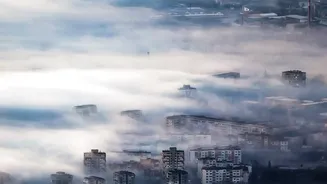
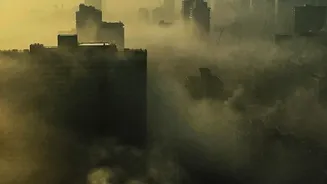
The sharp decline in air quality after the monsoon is not an accident; it's a predictable combination of factors. First, the weather turns against us. Cooler temperatures and lower wind speeds create a phenomenon known as temperature inversion. This acts
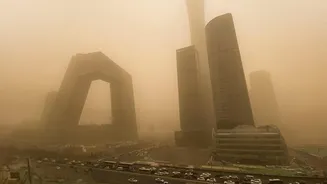
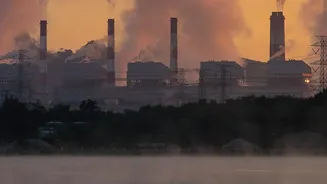
like a lid, trapping pollutants close to the ground instead of allowing them to disperse. Second, this meteorological shift coincides with the start of the stubble burning season in neighboring states like Punjab and Haryana. Farmers burn leftover crop residue to quickly clear their fields, releasing enormous plumes of smoke and harmful particulate matter that drift across the Indo-Gangetic plain, often making up a significant fraction of Delhi's pollution. This is compounded by existing urban pollution from vehicles, industry, and construction dust, creating a hazardous mix.
An Invisible Threat to Your Health
The health consequences of this seasonal pollution are severe and wide-ranging. The most discussed pollutants are PM2.5 and PM10—tiny particles that can penetrate deep into the lungs and even enter the bloodstream. Short-term exposure can cause immediate symptoms like coughing, wheezing, shortness of breath, and irritation of the eyes, nose, and throat. It can trigger severe asthma attacks and lead to a spike in hospital admissions for respiratory and cardiovascular issues. The risk is especially high for children, the elderly, and individuals with pre-existing conditions like asthma, COPD, or heart disease. Long-term exposure is linked to chronic illnesses including lung cancer, stroke, and heart disease.
What's Different in 2026?
Authorities are attempting to be more proactive. For 2026, the Commission for Air Quality Management (CAQM) has revised the Graded Response Action Plan (GRAP), which is the set of emergency measures triggered by rising pollution levels. One of the key changes involves stricter, pre-emptive restrictions on vehicles based on their emission standards. For instance, when the air quality is predicted to hit the 'Severe' category (Stage III), BS-III petrol and BS-IV diesel cars will be restricted in Delhi and several NCR districts like Gurugram, Faridabad, Ghaziabad, and Noida. This year, these restrictions have been extended to Sonipat as well. The plan also allows for measures to be implemented based on forecasts, rather than waiting for pollution to actually peak. This proactive approach, part of a broader Winter Action Plan, aims to tackle pollution at the source before it spirals out of control.
How to Protect Yourself and Your Family
While authorities work on large-scale solutions, personal protection is crucial. The most important step is to monitor the daily Air Quality Index (AQI) in your area. On days with 'Poor' or worse air quality, limit your time outdoors, and especially avoid strenuous activities like jogging or sports. If you must go out, wear a well-fitted N95 or KN95 mask, which is effective at filtering out fine particulate matter. Indoors, keep windows and doors closed. Using a HEPA air purifier can significantly improve indoor air quality. Ensure you have a valid Pollution Under Control (PUC) certificate for your vehicle and avoid unnecessary car trips; use public transport or carpool where possible. Finally, focus on overall health. A strong immune system is better equipped to handle environmental stressors.