


A Rising Tide of Plastic
India's love for online food ordering has created a mountain of a problem: single-use plastic. Every day, millions of plastic containers, cutlery sets, and bags are used for a single meal and then discarded. While convenient, this habit has severe environmental
consequences. India generates nearly 3.5 million tonnes of plastic waste every year, with a significant portion from packaging. This waste chokes landfills, pollutes rivers, and harms marine ecosystems for centuries. The durability that makes plastic useful also makes it a persistent environmental villain. In response to this crisis, the government has introduced bans on certain single-use plastics, creating an urgent need for sustainable alternatives that are both effective and scalable.
Nature's Packaging Solution
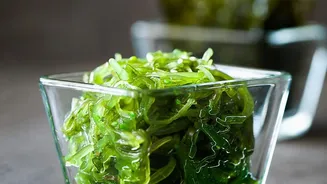
Enter seaweed, the fast-growing marine algae that is emerging as a frontrunner in the race to replace plastic. Unlike land-based crops used for some bioplastics, seaweed requires no fresh water, fertilisers, or pesticides to grow. Indian innovators are now harnessing its potential to create packaging that is truly eco-friendly. Startups like Mumbai-based Zerocircle are pioneering this change. Founded by Neha Jain, the company is turning sustainably farmed seaweed into bio-based, biodegradable materials that can replace conventional plastics. Another player, the Bangalore-based Sea6 Energy, is also exploring the commercial applications of seaweed, developing compostable coatings that make food packaging safe and heat-resistant.
From Sea to Table
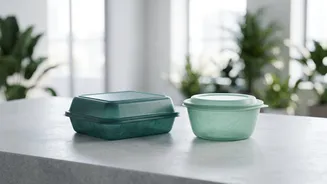
The process of turning seaweed into a sturdy container is a marvel of green chemistry. It begins with harvesting seaweed, which is then dried and processed to extract its natural polymers, such as alginate and carrageenan. These polymers are transformed into a material that can be moulded into various forms, from flexible films to rigid containers. The resulting products are not only biodegradable but also home-compostable, breaking down naturally in a matter of weeks without needing industrial facilities. Some of these materials are even designed to be water-soluble or edible for marine life, ensuring they leave no harmful trace behind. Zerocircle, for example, has developed pellets and films that can be used in existing plastic-manufacturing machinery, which significantly lowers the barrier to adoption for packaging companies.
More Than Just Eco-Friendly
The benefits of seaweed packaging extend beyond just reducing plastic waste. Seaweed cultivation is a regenerative process that can improve ocean health. During its growth, seaweed absorbs significant amounts of carbon dioxide, helping to combat climate change. This new industry also provides a crucial economic boost to coastal communities. Zerocircle sources its raw materials from seaweed farmers in states like Gujarat and Tamil Nadu, creating sustainable livelihoods and empowering local economies. For consumers, the packaging is non-toxic and free from harmful chemicals like PFAs, which are often found in conventional food packaging. This ensures that the food inside remains safe and uncontaminated.
The Hurdles to Scale
Despite its immense potential, the path to mass adoption for seaweed packaging has its challenges. The most significant hurdle is cost. Currently, bioplastics can be two to three times more expensive than their conventional plastic counterparts, which can be a deterrent for small businesses and price-sensitive consumers. While companies like Zerocircle expect to reduce costs as they scale, achieving price parity with plastic remains a key objective. Another major challenge is the lack of robust waste management infrastructure. Many bioplastics, including some seaweed-based ones, require specific composting conditions to break down effectively, and India has very few industrial composting facilities. Without proper disposal channels, these green alternatives could still end up in landfills, negating their environmental benefits.