


The Sharp Edge of Sustainability
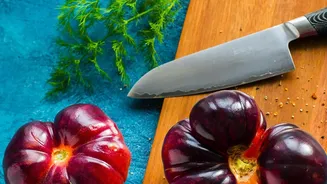
Good knife skills are about more than just speed and safety; they are a cornerstone of reducing food waste. When you know how to handle a knife correctly, you gain the precision to use more of your produce. A sharp knife allows for cleaner cuts, which
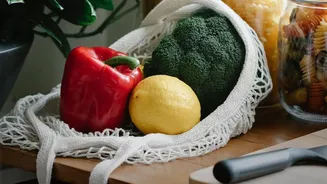
prevents bruising on delicate herbs and vegetables, helping them stay fresh longer. A dull blade, by contrast, can smash and damage food, making it less appealing and more likely to be discarded. Mastering basic cuts helps you get the most out of every vegetable. Instead of hacking off large ends of a carrot or capsicum, precise trimming saves the edible parts. You learn to peel thinly, saving the flesh underneath. This skill also extends to using the entire plant. Think of finely chopping flavourful broccoli stalks for a stir-fry, using herb stems in salads, or saving vegetable scraps like onion peels and carrot ends in the freezer to make a flavourful stock later. It’s a shift in perspective from seeing parts of a plant as 'waste' to seeing them as 'ingredients'.
Smart Storage for Lasting Freshness
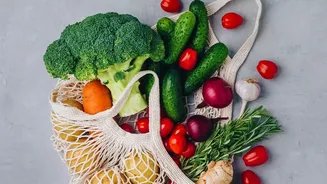
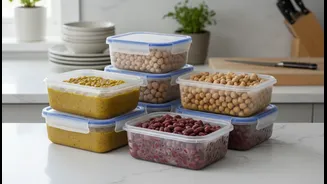
How you store your food is just as important as how you buy it. Proper storage can dramatically extend the life of your groceries, saving money and preventing good food from ending up in the bin. Not all fruits and vegetables thrive in the same environment. Leafy greens like spinach and coriander, for instance, last longer when washed, dried thoroughly, and stored in an airtight container, perhaps with a paper towel to absorb excess moisture. Root vegetables such as potatoes and onions, however, should be kept in a cool, dark place, but not together, as onions can cause potatoes to sprout. Your refrigerator is a powerful tool when used correctly. Keep it at or below 40°F (4°C). Use crisper drawers for their intended purpose; many have adjustable humidity settings. Most vegetables do best in high humidity, while most fruits prefer low humidity. Consider creating an 'Eat Me First' shelf in your fridge for items that are nearing their end, making it easy to see what needs to be used up quickly. Storing leftovers in clear, airtight containers also helps, as you can easily see what you have.
The Art of Meal Judgement
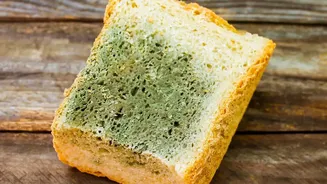
Meal judgement is the thoughtful process of planning, cooking, and consuming food to minimise waste. It begins before you even go to the shop. Taking a quick inventory of your pantry and fridge helps you build a shopping list based on what you already have, preventing you from buying duplicates. Plan your meals for the week, even if it’s just a loose outline. This helps you buy only what you need and gives every ingredient a purpose. When cooking, aim to prepare the right portions for the number of people you're feeding. If you do have leftovers, see them as an opportunity, not a burden. Yesterday's roasted vegetables can be today's frittata filling. Leftover dal can be used to make parathas. Stale bread can be turned into croutons or French toast. The freezer is also one of your best allies. Freezing leftovers, bread, or fresh produce that you won’t get to in time is like hitting a pause button, preserving it for another day.