






The Science of Upcycling Waste
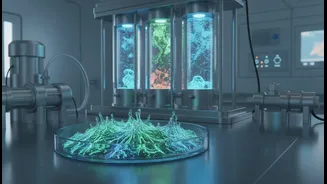
At its core, the process is a form of advanced upcycling. It uses microorganisms like bacteria, yeast, or fungi to break down organic matter from food waste. In controlled environments called bioreactors, these microbes consume the carbohydrates and nutrients
in the waste, multiplying rapidly and creating a protein-rich biomass. This biomass, known as single-cell protein (SCP), is then harvested, dried, and processed into a powder or paste. This ingredient can then be used in a wide range of food products, from meat and dairy alternatives to protein supplements. The key advantage is its efficiency; it requires far less land and water than traditional livestock farming and can be produced year-round, independent of climate.
The Safety Question
Before proteins from waste can land on our plates, they must be proven safe. A major hurdle is ensuring the final product is free from contaminants that may have been present in the initial food waste, such as heavy metals, pesticides, or pathogenic bacteria. Regulatory bodies require rigorous testing to prove that the specific microbial strains used are non-toxic and non-pathogenic. Another concern is potential allergenicity, as introducing new proteins into the food supply can trigger unexpected immune reactions. Companies in this space must navigate a complex web of food safety regulations, which can vary by country, to gain approval for human consumption. Ensuring a consistent, clean, and predictable waste source is a critical step in managing these safety risks.
The Cost Conundrum
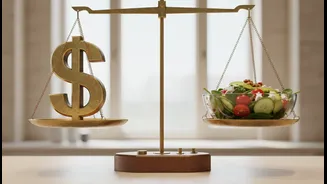
For microbial protein to become a mainstream solution, it must be cost-competitive with traditional sources like soy, whey, or even animal meat. While using waste as a feedstock sounds cheap, the overall process can be expensive. Building and operating sophisticated bioreactors, ensuring sterile conditions, and the energy required for fermentation and processing all contribute to the final cost. Researchers and companies are actively working to optimize the process. Innovations like using AI to determine the most efficient fermentation conditions and finding cheaper, local sources of waste are crucial to driving down the price. For now, microbial proteins are often more expensive than plant-based options but show potential to become cheaper than some animal proteins.
Evaluating Ingredient Quality
Beyond safety and cost, the nutritional quality and taste of the final product are paramount for consumer acceptance. The good news is that microbial proteins are often of high quality, containing all nine essential amino acids, making them a 'complete' protein source comparable to animal products. Their nutritional profile can also be rich in vitamins and minerals. However, the taste, texture, and functionality (how it behaves in a recipe) can be a challenge. Some microbial proteins can have a distinct flavour or texture that needs to be masked or modified. The ultimate success will depend on its ability to be seamlessly incorporated into foods that people enjoy eating, from plant-based burgers to protein-fortified snacks.
The Opportunity for India
For a country like India, which faces challenges in both waste management and nutritional security, this technology holds significant promise. With a rising demand for protein and a strong entrepreneurial focus on frugal innovation, India is a prime market for alternative proteins. Several Indian startups are already innovating in the plant-based and cultivated meat sectors, laying the groundwork for future technologies like microbial fermentation. Leveraging India's vast agricultural side-streams and urban food waste could create a domestic, sustainable protein supply, reducing import dependency and creating new economic opportunities in the circular economy. The key will be adapting the technology to local tastes and achieving a price point accessible to the mass market.