





India's Widespread Vitamin D Problem
It’s a strange health paradox: in a sun-drenched country like India, an estimated 70-100% of the population has insufficient levels of Vitamin D. This deficiency spans all ages, geographic regions, and socioeconomic strata, from urban professionals to
rural villagers. The reasons are rooted in modern life. Indoor lifestyles, heavy clothing coverage, urban pollution blocking UVB rays, and darker skin pigmentation (which requires more sun exposure to produce Vitamin D) all contribute. With deficiency linked to bone pain, fatigue, and a weakened immune system, addressing the gap through diet is more important than ever.
Understanding Your Daily Needs
Before exploring food sources, it’s helpful to know the target. The Indian Council of Medical Research (ICMR) recommends a daily intake of 600 IU (International Units) for most adults, including pregnant and lactating women. Infants require 400 IU, while children and adolescents also need around 600 IU daily. While severe deficiency often requires medical guidance and supplementation, a food-first approach can help maintain healthy levels. It is always best to consult a healthcare professional to understand your specific levels through a blood test before starting any high-dose supplements.
Fortified Dairy: An Easy Win
For many households, fortified foods are the most practical way to increase Vitamin D intake. In India, many dairy brands have started fortifying their products. Milk, being a staple, is an excellent vehicle. A single glass of fortified milk can provide between 100-150 IU of Vitamin D. Beyond milk, look for fortified curd (dahi), paneer, and lassi. These products not only deliver Vitamin D but also provide calcium, which works with the vitamin to support bone density. Reading the nutritional label is key; look for phrases like 'Fortified with Vitamin D' to ensure the product contains this added nutrient.
Plant-Based Powerhouses to Consider
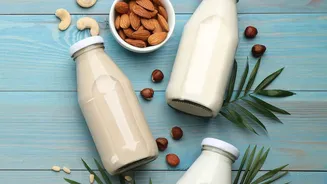
For vegetarians and vegans, dietary options are naturally more limited, making fortified foods even more crucial. One of the only significant natural plant sources of Vitamin D are mushrooms, but with a catch. Mushrooms produce Vitamin D2 when exposed to UV light. You can increase their D content simply by placing them in direct sunlight for 15-30 minutes before cooking. Commercially grown mushrooms kept in the dark have very little. Beyond mushrooms, plant-based milks like soy, almond, and oat milk are often fortified with Vitamin D, offering around 100-140 IU per glass. Fortified tofu and some breakfast cereals can also be valuable additions to a plant-based diet.
Don't Forget These Natural Sources
While fortification is a reliable strategy, some whole foods are naturally rich in Vitamin D. For non-vegetarians, fatty fish like salmon, mackerel, and hilsa are among the best sources available. Just 100 grams of fatty fish can provide a significant portion of your daily requirement. Egg yolks are another accessible option for many. While the 'egg whites only' trend is popular for protein, most of the Vitamin D is found in the yolk, so eating the whole egg is beneficial. A single egg yolk contains around 40 IU. While these foods alone may not meet the full daily need, they contribute meaningfully to your overall intake.