





Wayanad's Water Paradox
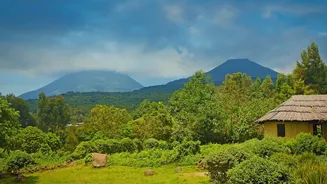
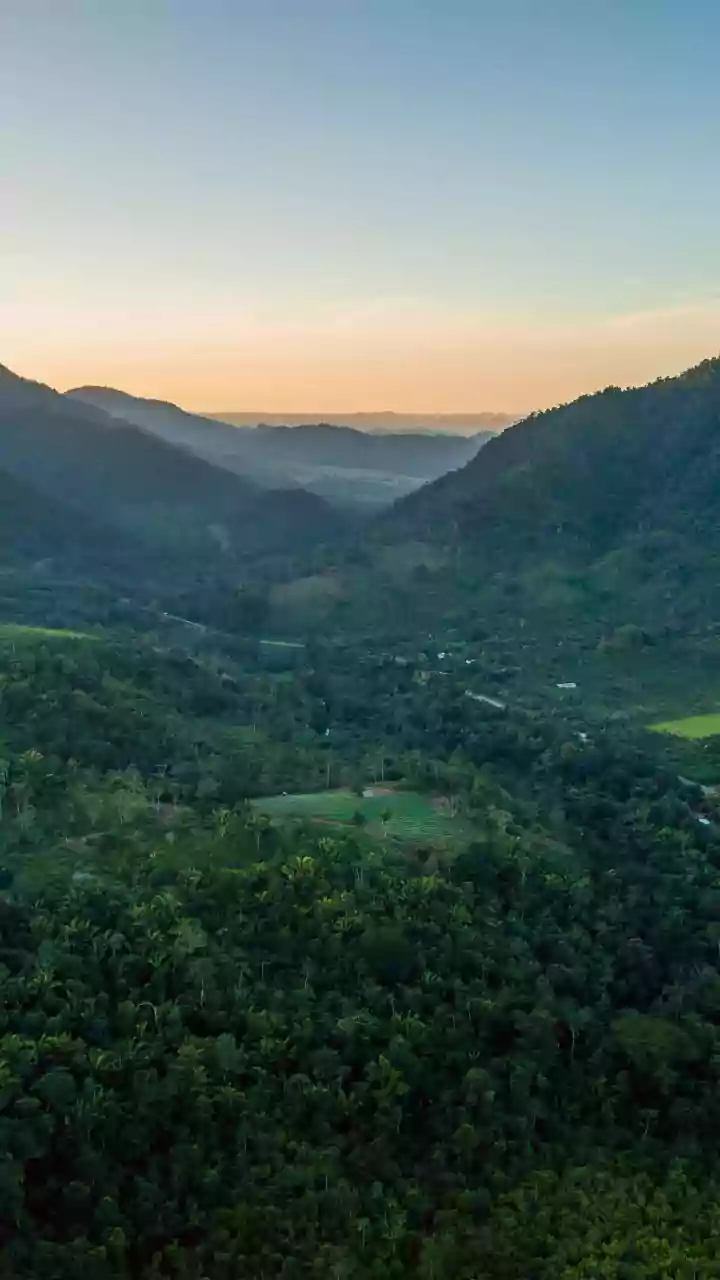
Nestled in the Western Ghats, Wayanad receives an average annual rainfall of over 2,300 mm, painting the landscape in vibrant shades of green. This abundance, however, presents a paradox. The very region that is drenched for months can face water scarcity
during the dry season. This has pushed innovative locals and hospitality businesses to look upwards for a solution. Instead of letting precious rainwater run off, they are capturing it, creating a closed-loop system that sustains their operations year-round and reduces pressure on groundwater sources. This ancient practice, updated for modern needs, is becoming a cornerstone of sustainable tourism in the region.
From Rooftop to Reservoir: How It Works
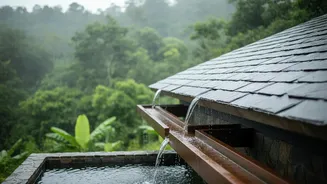
The concept of rainwater harvesting is elegantly simple. Rooftops act as the primary catchment area. Gutters and pipes then channel the collected water, often through a 'first flush' system that discards the initial, more contaminated rainfall, into a series of filters. These filters remove debris, sediment, and other impurities before the water is stored in large underground or overground tanks. From there, the harvested water can be used for a multitude of purposes, including flushing toilets, gardening, laundry, and, after further purification, even for drinking and cooking. At resorts like AfterTheRains, this harvested water is gravity-fed to showers and used for irrigation, showcasing a seamless integration of conservation and comfort.
Pioneers of Sustainable Stays
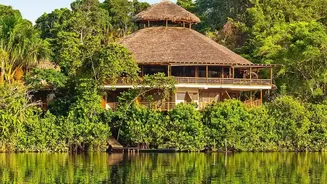
Several properties in Wayanad have become benchmarks for this eco-conscious model. AfterTheRains, a certified ecolodge, funnels rainwater from rooftops into underground reservoirs to irrigate gardens and supply bathrooms. Similarly, Wayanad Wild by CGH Earth and Vythiri Village Resort integrate rainwater harvesting into their core sustainable practices, alongside solar energy use and organic farming. Wayanad Silverwoods also highlights rainwater harvesting as part of its commitment to eco-friendly tourism. These resorts demonstrate that luxury and sustainability are not mutually exclusive. They offer guests a chance to experience the region's natural beauty while knowing their stay has a minimal environmental footprint.
More Than Just Water Conservation
For these eco-stays, rainwater harvesting is rarely a standalone feature. It is part of a holistic philosophy of sustainability. Tranquil Resort, a 400-acre plantation stay, sources drinking water from natural springs and uses biomass boilers for hot water, complementing its water conservation efforts. Many resorts pair water management with other green initiatives like building with local, reclaimed materials, practicing organic farming for their kitchens, eliminating single-use plastics, and managing waste responsibly through composting and recycling. They often employ staff from local communities and provide experiences that educate guests on the importance of preserving the delicate ecosystem of the Nilgiri Biosphere Reserve. This comprehensive approach creates a truly immersive and responsible travel experience.
The Ripple Effect on Wayanad's Tourism
The success of these eco-stays has a broader impact, setting a new standard for tourism in the Western Ghats. By proving that sustainable practices are economically viable, they encourage other establishments to adopt similar models. This shift helps preserve Wayanad's unique environment, which is the very asset that draws travellers in the first place. For the conscious traveller, choosing an eco-stay powered by harvested rainwater is more than just a booking; it's an investment in the future of the destination. It allows them to enjoy a guilt-free escape, knowing they are contributing to a cycle of preservation and respect for nature, ensuring that Wayanad's serene beauty remains for generations to come.