





The Challenge with Plant Iron
As a fitness enthusiast, you know that iron is non-negotiable. It’s a key component of haemoglobin, the protein in red blood cells that carries oxygen from your lungs to your muscles. Without enough iron, your muscles don't get the oxygen they need to perform,
leading to fatigue, weakness, and shortness of breath. While meat contains 'heme' iron, which is easily absorbed by the body, plants contain 'non-heme' iron. This form is more sensitive to other dietary components and is generally harder for our bodies to absorb. For anyone on a vegetarian or vegan diet—or simply trying to eat more plants—this presents a significant challenge. You could be eating plenty of iron-rich foods like spinach and lentils, but your body might only be absorbing a small fraction of this crucial mineral.
The Simple Vitamin C Solution
Here is the 'hack' you’ve been waiting for, and it’s brilliantly simple: pair your plant-based iron sources with foods rich in Vitamin C. Scientifically known as ascorbic acid, Vitamin C is a powerful enhancer of non-heme iron absorption. It works by capturing non-heme iron and converting it into a form that is much more readily available for your body to absorb, similar to the heme iron found in meat. Studies have shown that adding a source of Vitamin C to a meal can increase non-heme iron absorption by up to six times. This simple act of food pairing transforms your meal from a potential source of iron into a powerhouse of usable energy, helping you fight fatigue and fuel your workouts more effectively. It’s not about eating more; it’s about eating smarter.
Power Pairings for Your Plate
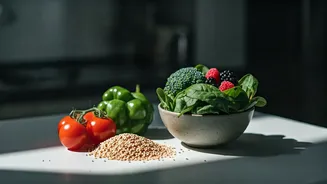
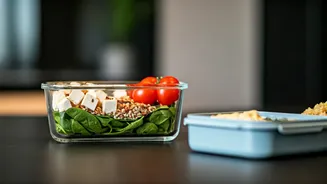
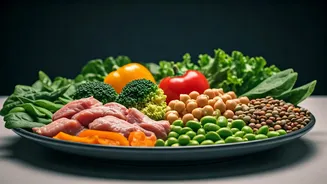
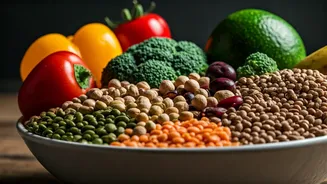
The best part about this hack is how easily it integrates into everyday Indian meals. You’re likely already doing it sometimes without realising it. Now, you can do it with intention. Think about your daily meals and look for opportunities to create these 'power-couples'. Squeeze a generous amount of lemon or lime juice over your dal or bean curry. Add chopped tomatoes and bell peppers (capsicum) to your spinach sabzi. Enjoy a side of amla pickle with your meal. Instead of a milky tea after an iron-rich lunch, have a glass of orange or guava juice. These small, conscious additions make a massive difference in how much iron your body actually gets to use from your food.
Your Go-To Plant Iron Sources
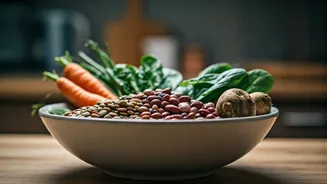
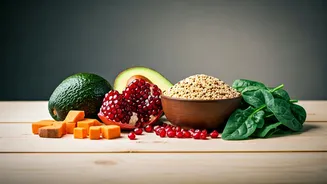
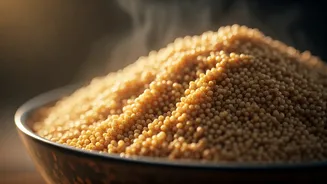
To effectively use this hack, you need to know where to find your iron. Fortunately, plant-based diets are full of options. Incorporate these into your regular meal planning: * **Lentils and Legumes:** Dal (all varieties), chickpeas (chana), kidney beans (rajma), and black beans are excellent sources. * **Tofu and Soy Products:** Tofu and tempeh are packed with iron and protein. * **Seeds and Nuts:** Pumpkin seeds, sesame seeds (til), and cashews are great for snacking or adding to dishes. * **Leafy Greens:** Spinach (palak) and fenugreek leaves (methi) are classic choices, but remember to pair them with Vitamin C as they also contain compounds that can inhibit absorption. * **Whole Grains:** Oats, quinoa, and fortified cereals can also contribute to your daily iron intake.
Easy Ways to Add Vitamin C
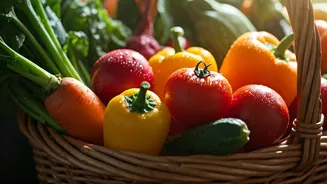
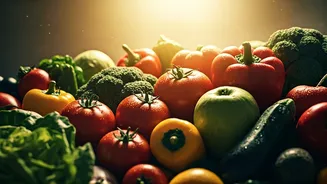
Now, let’s find a partner for your iron-rich foods. Vitamin C is abundant and easy to find. Keep these on hand to complete your power pairings: * **Citrus Fruits:** Oranges, lemons (nimbu), limes, and sweet limes (mosambi) are the most obvious and versatile sources. * **Berries:** Amla (Indian gooseberry) is one of the most potent sources of Vitamin C available. Strawberries are another great option. * **Vegetables:** Bell peppers (capsicum), tomatoes, broccoli, and cauliflower are all rich in Vitamin C and can be easily cooked into or served alongside your main dishes. * **Tropical Fruits:** Guava and papaya are delicious, Vitamin C-packed fruits to enjoy as a snack or dessert.