





The Contenders: A Quick Introduction
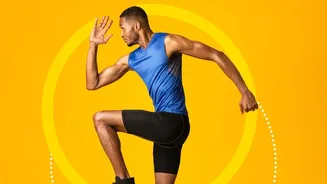
Let's break down the two major players in the cardio world. High-Intensity Interval Training (HIIT) involves short, all-out bursts of exercise followed by brief recovery periods. Think 30 seconds of sprinting, then 60 seconds of walking, repeated for
15-20 minutes. The goal is to push your heart rate to 80-95% of its max during the intense intervals.On the other side of the spectrum is Low-Intensity Steady-State (LISS) cardio. This is any form of cardiovascular exercise done at a consistent, moderate pace for a longer duration, typically 30-60 minutes. Activities like brisk walking, jogging, cycling, or using the elliptical at a pace where you can still hold a conversation are classic LISS. Your heart rate stays in a lower, more sustainable zone, around 50-65% of your maximum.
The Time Crunch Factor: When Every Minute Counts
For the corporate worker juggling meetings and project deadlines, time is the most valuable currency. This is where HIIT shines. A 15-20 minute HIIT session can deliver similar, or even superior, cardiovascular benefits to a 45-minute LISS workout. This efficiency is HIIT's biggest selling point. It’s renowned for the “afterburn effect,” scientifically known as Excess Post-Exercise Oxygen Consumption (EPOC), where your body continues to burn calories at an elevated rate for hours after you’ve stopped exercising. If your calendar is packed and you need the most bang for your buck, HIIT is an undeniable winner in the efficiency department.
The Stress and Burnout Factor: LISS's Gentle Advantage
Corporate life is often synonymous with high stress. While all exercise can help reduce stress, the type you choose matters. High-intensity training is, by its nature, a physical stressor on the body. If you're already mentally and emotionally drained, an intense HIIT session might feel like pouring fuel on the fire. LISS, in contrast, can be meditative and restorative. The steady, rhythmic nature of a long walk or a gentle cycle can help calm the nervous system, reduce cortisol levels, and improve mental well-being. On days when your brain feels fried and your body is calling for a break, LISS provides a way to move and de-stress without adding more strain.
The Body's Reality: Joint Health and Sedentary Effects
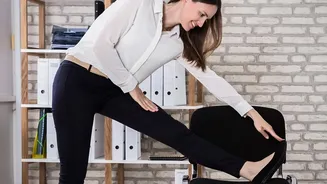
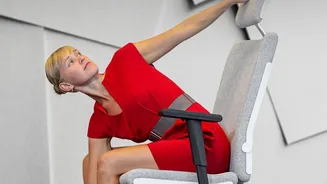
Sitting for eight hours a day can lead to tight hips, a weak core, and general stiffness. Jumping into high-impact HIIT exercises without a proper foundation can increase the risk of injury, especially to the joints. LISS is generally lower-impact and gentler on the body, making it a safer starting point for beginners or those with pre-existing joint issues. It allows your body to adapt to movement gradually and focuses on building endurance. LISS is excellent for active recovery, helping to promote blood flow and reduce muscle soreness after a more intense workout.
The Goal Matrix: Fat Loss vs. Overall Fitness
What is your primary goal? If it's pure fat loss, the debate gets interesting. HIIT burns more calories per minute and has the significant EPOC advantage. However, LISS trains your body to become more efficient at using fat for fuel during exercise. Some studies suggest that while HIIT is more time-efficient, both methods are similarly effective for fat loss when total calories burned are accounted for. For overall cardiovascular health, both are beneficial. HIIT is excellent for improving your VO2 max (a measure of aerobic capacity), while LISS is fantastic for building a solid endurance base.