





Jamun (Java Plum): The Monsoon Superfood
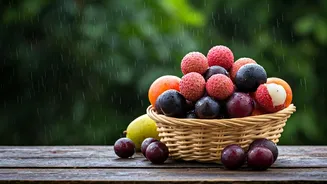
Deep purple and delightfully tart, Jamun is a quintessential monsoon fruit for good reason. It is a low-calorie powerhouse packed with essential nutrients like iron, potassium, and vitamins A and C. This makes it brilliant for boosting immunity, which
is crucial when seasonal colds and flu are common. Ayurvedic tradition values Jamun for its cooling effect on the body. Furthermore, its natural acids and high fibre content aid digestion, helping to prevent common monsoon stomach issues. Studies have also shown that compounds in Jamun can help in regulating blood sugar levels, making it a suitable choice for many.
Pomegranate (Anar): The Immunity Warrior
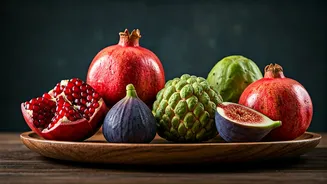
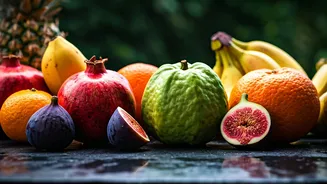
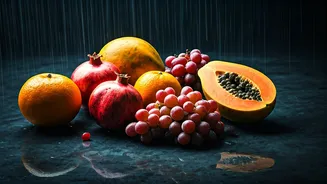
The jewel-like seeds of the pomegranate are a formidable defence during the rainy season. Pomegranates are exceptionally rich in antioxidants—even more so than green tea—which help your body fight off infections and reduce inflammation. This vibrant fruit is an excellent source of Vitamin C, B, and folate, which work together to boost your immune system and improve blood circulation. Its anti-inflammatory properties are particularly beneficial for gut health, helping to soothe the digestive tract during a season when it can be sluggish. Including pomegranate in your diet helps keep you energetic and protected.
Peaches (Aadu): The Digestive Ally
Don't let the fuzzy skin fool you; peaches are a wonderfully safe and beneficial fruit for the monsoon, provided you handle them with care. Rich in dietary fibre, peaches are fantastic for maintaining a healthy digestive system and preventing constipation, which can be a concern with dietary changes during this season. They are packed with antioxidants and essential vitamins like A and C, which bolster the immune system against common monsoon ailments. Vitamin C also promotes collagen production, contributing to healthy and radiant skin despite the humid weather.
Plums (Aloo Bukhara): The Nutrient-Dense Delight
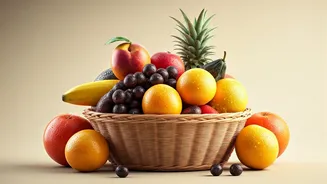
Plums, with their sweet and tangy flavour, are another seasonal star perfect for the rains. They are a great source of Vitamin C, which is vital for strengthening the body's resistance to infections. Plums are also high in dietary fibre and natural compounds like sorbitol, making them an excellent choice for regulating digestion and preventing constipation. Packed with antioxidants, they help combat free radicals and reduce inflammation. Their high water content also helps you stay hydrated, which is important even when the weather feels less hot.
Cherries: The Antioxidant Powerhouse
Vibrant red cherries are not just delicious; they are loaded with health benefits that make them a great monsoon choice. They are rich in antioxidants and anti-inflammatory compounds that help the body fight infections and soothe inflammation. Cherries are also a good source of potassium, which helps regulate blood pressure. They contain melatonin, which can aid in improving sleep quality. Due to their ability to protect against seasonal infections like coughs and colds, they are a trusted fruit to include in your rainy season diet.
A Note on Monsoon Fruit Safety
While these fruits are beneficial, hygiene is paramount during the monsoon. The increased humidity creates a breeding ground for bacteria and fungi. Always choose fresh, firm fruits and avoid any that are bruised, overripe, or have broken skin. It's best to avoid pre-cut fruits sold by street vendors, as the risk of contamination is high. Before eating, wash all fruits thoroughly under clean, running water. By taking these simple precautions, you can safely enjoy the delicious and nutritious bounty that the monsoon season offers.