



More Than Just Keeping It Cool
For generations, the main goal of packing a lunch was preventing spoilage. As long as your sandwich didn’t get warm, you were generally considered safe. While temperature control remains crucial, the modern wellness conversation has expanded to include
the materials that touch our food. The focus is shifting from short-term food poisoning to long-term health, with concerns about chemicals leaching from containers into our meals. This new awareness is driving a demand for lunch gear that is not only functional but also non-toxic and sustainable.
The Great Material Debate: Plastic, Steel, and Glass
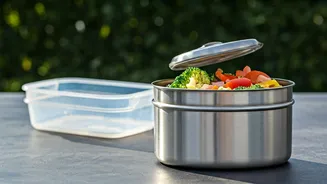
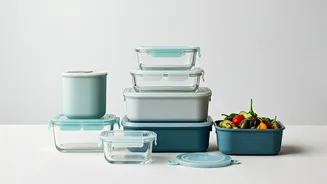
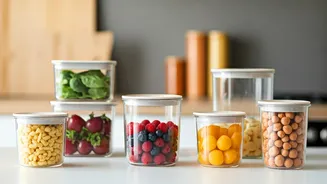
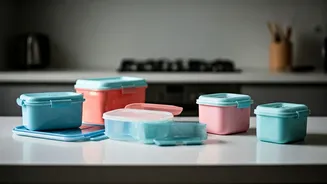
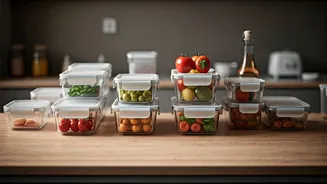
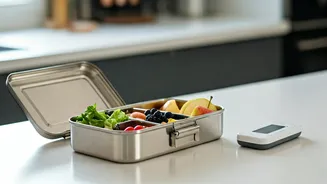
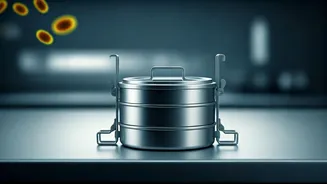
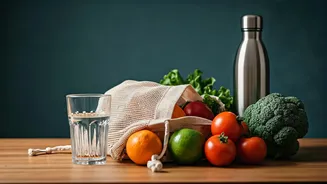
The biggest shift in lunchbox safety is the move away from certain plastics. Concerns are growing around chemicals like BPA, BPS, and phthalates, which can act as endocrine disruptors and may leach into food, especially when heated. While many products are now labeled "BPA-free," some replacement chemicals may have similar health concerns. As a result, materials like food-grade stainless steel and glass are surging in popularity. Stainless steel is lauded for being durable, non-leaching, and long-lasting, while glass is a great option for those who want to reheat food in the same container. Food-grade silicone has also emerged as a flexible, safer alternative for reusable bags and container lids.
Temperature Still Reigns Supreme
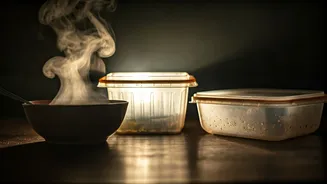
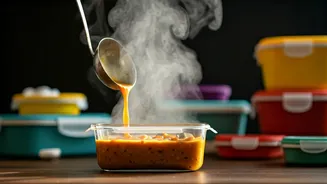
While materials are a new focus, the timeless rules of temperature safety are as important as ever. Harmful bacteria multiply rapidly in the "danger zone," a temperature range between 40°F (4.4°C) and 140°F (60°C). Perishable foods should never be left at room temperature for more than two hours—or one hour if temperatures are high. To keep cold foods safe, use an insulated lunch bag with at least two cold sources, such as two frozen gel packs or one gel pack and a frozen water bottle. For hot foods like soups or stews, pre-heating an insulated thermos with boiling water before adding the piping hot food is an effective way to keep it above the 140°F (60°C) threshold until lunchtime.
A Clean Lunchbox Is a Healthy Lunchbox
An often-overlooked aspect of lunch safety is cleanliness. Lunchboxes can become breeding grounds for bacteria and mold if not cleaned properly. It's essential to wash lunch containers, bags, and any reusable utensils with hot, soapy water after every single use. For a deeper weekly clean, many soft-sided insulated bags can be machine washed on a gentle cycle, but always check the care label first. To sanitize, you can wipe the interior with a solution of equal parts water and white vinegar. Always allow the lunchbox and all its components to air dry completely before storing to prevent mold and mildew growth.