



Beyond Butter Chicken and Biryani
For many, the Indian culinary experience was once limited to a familiar rotation of butter chicken, naan, and perhaps a biryani or dosa. While delicious, these dishes represent just a fraction of the subcontinent's vast gastronomic landscape. Today, a significant
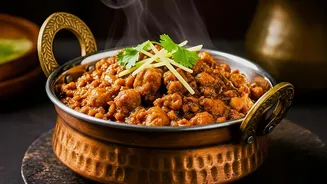
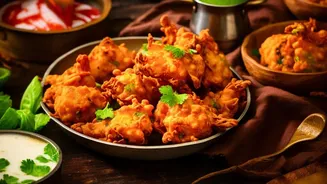
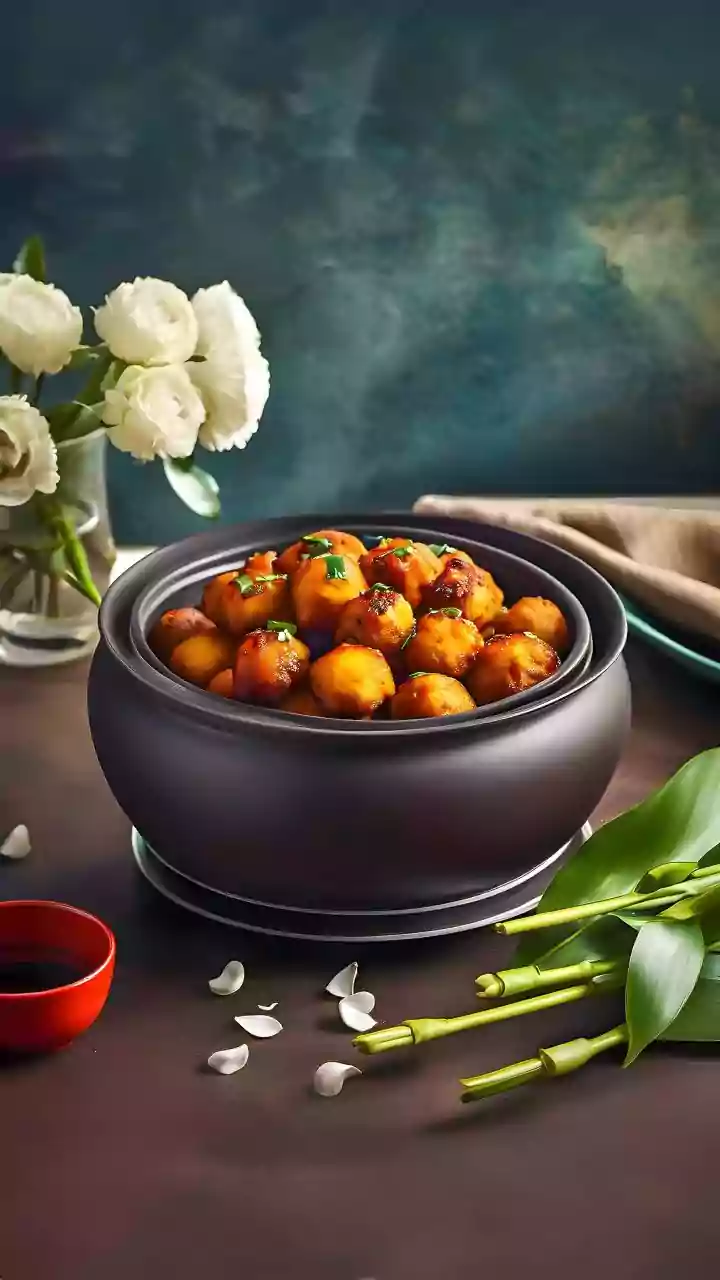
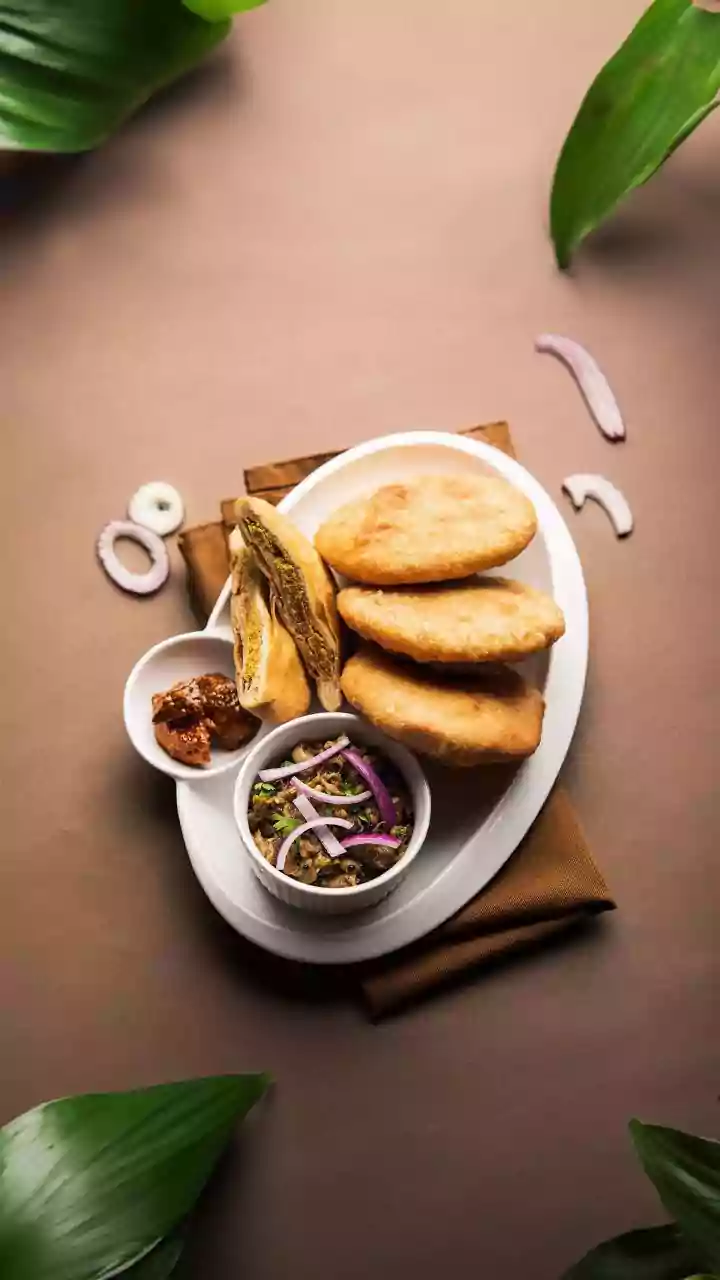
shift is occurring. Diners are moving past the standard fare that defined Indian restaurants abroad for a generation. The demand for authentic, specific, and regional food experiences is surging, with hyper-regional cuisines from smaller communities and even villages finding the spotlight. We're seeing a move away from generic "curry house" menus toward dishes that tell a story of a specific place, whether it's Kumaoni recipes from Uttarakhand or the unique food traditions of the Mappila community in Kerala.
The Chef as Culinary Ambassador
A new generation of Indian chefs is at the forefront of this movement, acting as proud ambassadors for their heritage. Chefs are delving into their own family traditions and ancent recipes, reviving forgotten ingredients and techniques. In Mumbai, chefs at The Bombay Canteen champion indigenous ingredients by reimagining regional classics like Nagaland Sesame Pork Curry. In London, Michelin-starred chef Atul Kochhar’s restaurant Kanishka highlights the lesser-known dishes from India's northeastern states. These culinary leaders are not just cooking; they are educating diners, reshaping the global perception of Indian food from a monolithic entity to a celebration of its incredible diversity. They are proving that Indian fine dining can be rooted in hyper-local traditions while presented with a modern flair.
Social Media's Visual Feast
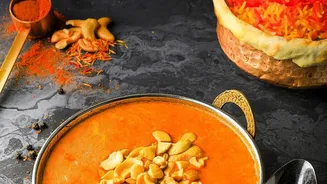
You can’t ignore the power of the scroll. Social media platforms like Instagram and TikTok have become powerful engines for food trends, and regional Indian food is a perfect fit. The cuisine's vibrant colours, from the deep red of a fiery curry to the golden yellow of turmeric, make for irresistible visual content. Food bloggers, influencers, and even home cooks have become digital tastemakers, showcasing everything from fiery Chettinad cuisine to the aromatic flavours of Kashmiri Wazwan. This digital exposure makes the food more accessible and relatable, encouraging a new generation of diners to try dishes they've never seen on a standard menu. Restaurants, in turn, are designing dishes and decor with an eye for what will look good on a social feed, creating a cycle of discovery and popularisation.
The Curious Modern Diner
The people eating the food have changed, too. Today's diners, particularly younger generations, are more adventurous and globally aware. They are increasingly seeking authenticity and are curious about the stories behind their food. There's a growing appreciation for provenance and a desire to connect with different cultures through cuisine. This shift is evident in search trends, where dishes like chaat and dal makhani are seeing significant growth, while older standards like chicken tikka masala are declining. Consumers are graduating from the gateway dishes and are ready to explore the depth and breadth of what Indian cuisine has to offer, from street food to complex, slow-cooked specialities.
A Celebration of Identity
Ultimately, the rise of regional Indian food is a movement of cultural pride and preservation. It's a rejection of the idea that a country's cuisine must be simplified for a global audience. Chefs and restaurateurs are finding that specificity is a strength. Highlighting unique ingredients like kokum from the Konkan coast or Naga mountain pepper from the northeast has become a strategic asset, setting their offerings apart. This focus on hyper-local identity resonates with diners who are looking for more meaningful experiences. They are embracing food with deeper roots and rewarding the chefs who bring these personal and regional stories to the table.