





What Exactly Is Wooden-Ghani Oil?
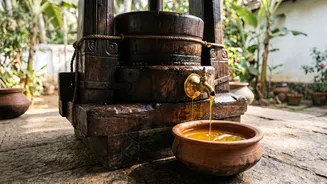
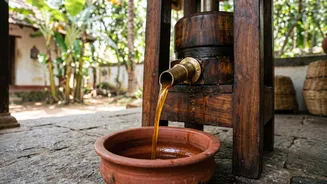
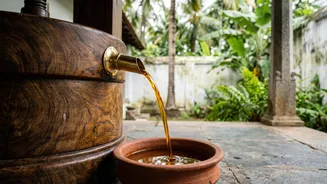
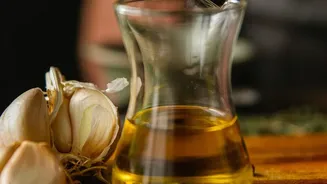
Before it was just another bottle on a supermarket shelf, oil extraction was a craft. Wooden-ghani, also known as 'marachekku' or 'kolhu', is a traditional method where oilseeds are crushed at a very low speed in a wooden press. This slow, mechanical
process generates minimal heat, typically keeping the temperature below 40-45°C. Unlike modern refining, which uses high heat and chemical solvents to maximize yield, the ghani method is a gentle, 'cold-pressing' technique. This ensures the oil is extracted without altering its natural molecular structure, preserving its nutrients, distinct aroma, and rich, nutty flavour. The result is pure, unrefined oil, just as it has been made for centuries.
A Nutritional Powerhouse
The primary reason for this resurgence lies in the oil's impressive nutritional profile, which is largely lost during industrial refining. Wooden-ghani sesame oil is packed with powerful antioxidants, most notably sesamol and sesamin. These compounds are vital for protecting the body's cells from damage caused by free radicals. Furthermore, the oil is a rich source of healthy unsaturated fats, including polyunsaturated and monounsaturated fats, which are known to support heart health by helping to manage cholesterol levels. The cold-pressing method ensures that heat-sensitive nutrients like Vitamin E and other natural compounds remain intact, delivering benefits that refined oils simply cannot match.
From Ancient Tradition to Modern Wellness
For thousands of years, sesame oil, or 'nallennai' as it's known in Tamil, has been a cornerstone of South Indian life. Its history can be traced back to the Indus Valley Civilization. In Ayurveda, it is hailed as the 'queen of oils' and forms the base for over 90% of herbal oils, used for everything from massage to medicinal preparations. This deep cultural connection is now aligning with the modern wellness movement, which prioritizes natural, unprocessed foods. Consumers are increasingly looking past mass-produced products and seeking ingredients with a story, purity, and a clear connection to traditional wisdom. Wooden-ghani sesame oil fits this narrative perfectly, offering both a taste of heritage and a boost to daily health.
More Than Just a Cooking Oil
The revival of wooden-ghani sesame oil extends beyond the kitchen. Its anti-inflammatory and antibacterial properties have made it a staple in traditional wellness practices. One of the most well-known Ayurvedic rituals is 'oil pulling', or 'gandusha', where swishing sesame oil in the mouth is believed to support oral hygiene by reducing plaque. It's also celebrated for its benefits to skin and hair. Used as a massage oil ('abhyanga'), it is believed to nourish the skin, calm the nervous system, and improve circulation. For hair, it acts as a natural conditioner, promoting strength and shine. This versatility makes it a holistic product for the modern consumer who values multi-purpose, natural solutions.
Bringing Authentic Flavour to Your Food
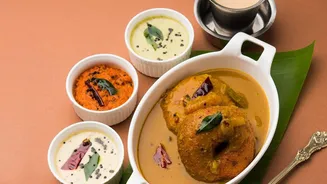
For the modern home cook, wooden-ghani sesame oil offers a unique and authentic flavour that refined oils lack. Its rich, nutty taste is indispensable in many iconic South Indian dishes. It's the traditional choice for tempering spices for sambar and rasam, and for making tangy tamarind-based gravies like vatha kuzhambu. Drizzling it over a hot idli topped with 'podi' (gunpowder) is a classic combination that elevates a simple meal. Its relatively high stability, thanks to natural antioxidants, also makes it suitable for sautéing and preparing traditional snacks. By choosing this oil, modern kitchens are not just making a healthier choice, but are also reconnecting with the authentic tastes of regional Indian cuisine.