



What Happens When Soil Gets Waterlogged?
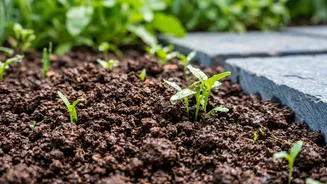
Imagine a sponge completely soaked with water; there’s no room for anything else. That's what happens to soil during heavy, sustained rainfall. Soil is porous, with tiny pockets of air that roots need to breathe. When these pores fill entirely with water,
the soil becomes saturated, a condition known as waterlogging. This creates an anaerobic (oxygen-free) environment. This is especially a problem in heavy, compact soils, like the clay soils found in many parts of India, which naturally drain poorly and can become a dense, suffocating mud.
Plant Roots Begin to Suffocate
The most immediate victims of waterlogged soil are the plant roots themselves. Just like us, roots need oxygen for respiration—the process of converting sugars into energy for growth and nutrient uptake. When deprived of oxygen, roots can't function properly and begin to die. This stress manifests above ground as yellowing leaves, wilting (even though the plant is surrounded by water), and stunted growth. Without a healthy root system, the entire plant is at risk, unable to absorb the very water and nutrients it needs to survive.
A Breeding Ground for Disease
Damp, oxygen-poor conditions are the perfect breeding ground for harmful fungi and bacteria. Root rot is one of the most common and fatal diseases in waterlogged gardens. These pathogens thrive in anaerobic environments, attacking and destroying the already weakened root systems. Once root rot takes hold, it's very difficult to reverse, often leading to the plant's demise. Good drainage ensures that while the soil remains moist, it doesn't stay saturated long enough for these destructive microorganisms to flourish and take over.
Essential Nutrients Get Washed Away
Even if a plant survives suffocation and disease, it faces another challenge: malnutrition. Excessive water flow through the soil profile can wash away, or 'leach', essential soluble nutrients like nitrogen and potassium. These are vital for leafy growth and overall plant vigour. The topsoil, the most fertile layer, can also erode during heavy downpours, physically removing the nutrient-rich organic matter. So, while the monsoon seems to be delivering an abundance of water, it can simultaneously be stripping the soil of its fertility, leaving plants hungry in the midst of plenty.
Risks Beyond the Garden Bed
The importance of good drainage extends beyond agriculture and gardening. In urban and rural areas, poorly drained soil can have serious structural consequences. When soil around a building's foundation becomes saturated, it can lose its strength and stability. This can lead to the ground shifting, causing foundations to crack and settle, which in turn can damage walls and compromise the entire structure. Furthermore, when soil is unable to absorb rainwater effectively, it contributes to surface runoff, worsening localised flooding on streets and in low-lying areas—a common sight in Indian cities during the monsoon.
Simple Steps to Improve Drainage
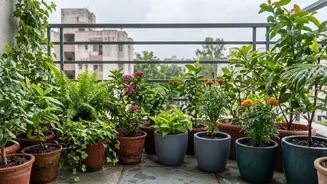
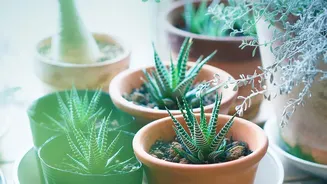
Fortunately, improving soil drainage is achievable. For potted plants, ensure containers have ample drainage holes and consider placing them on bricks or stands to elevate them from wet surfaces. For garden beds, the key is amending the soil. Incorporating organic matter like compost or vermicompost is highly effective; it improves soil structure, creating more air pockets. Mixing in coarse sand or cocopeat can also help, especially in heavy clay soils. Creating raised beds is another excellent strategy, as it physically lifts the root zone above the surrounding waterlogged ground, giving plants the well-drained environment they need to thrive.