
The City as a New Habitat
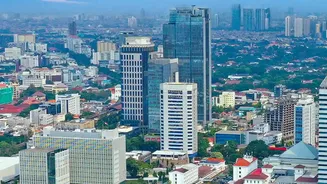
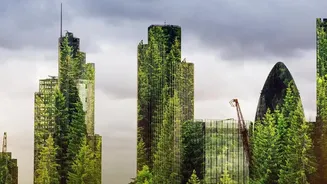
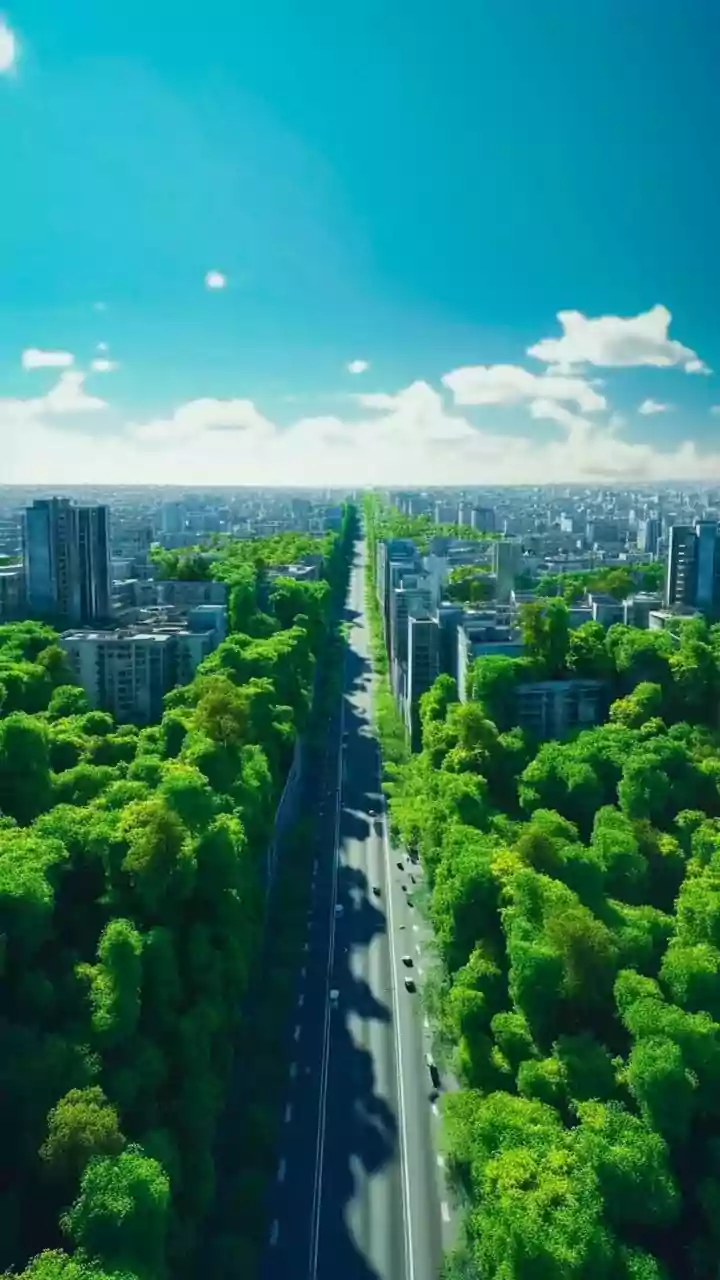
As urban areas expand, they swallow forests, fields, and wetlands, forcing a dramatic change upon local wildlife. For many species, this means displacement. But for a surprisingly resilient group, it presents an opportunity. Cities, with their parks,
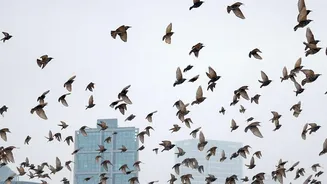
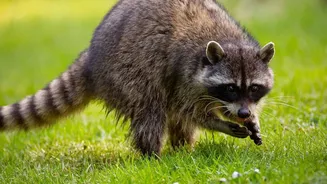
rivers, and even rubbish bins, offer a new kind of ecosystem. These urban environments provide abundant, year-round food sources and shelter, often with fewer natural predators like wolves or cougars to worry about. Species that can capitalize on these resources—the generalists and the opportunistic—are finding ways to make the concrete jungle their home. Animals like foxes, raccoons, and many bird species have become common urbanites, using green spaces, and even man-made structures like sewers and building gutters, as their new habitats.
Survival of the Bold and Flexible
Life in the city demands a different set of skills than life in the wild. One of the most significant changes is behavioural. Urban animals are becoming bolder and more tolerant of humans. The constant presence of people and noise means that timid creatures are less likely to succeed. Studies show that many urban animals have a shorter 'flight initiation distance', meaning they allow humans to get much closer before fleeing. Many animals also adjust their schedules, becoming more nocturnal to avoid the daytime rush of human activity. This behavioural flexibility is a key trait for urban survival, allowing animals to navigate the unique challenges and opportunities of a human-dominated landscape.
A New Urban Diet
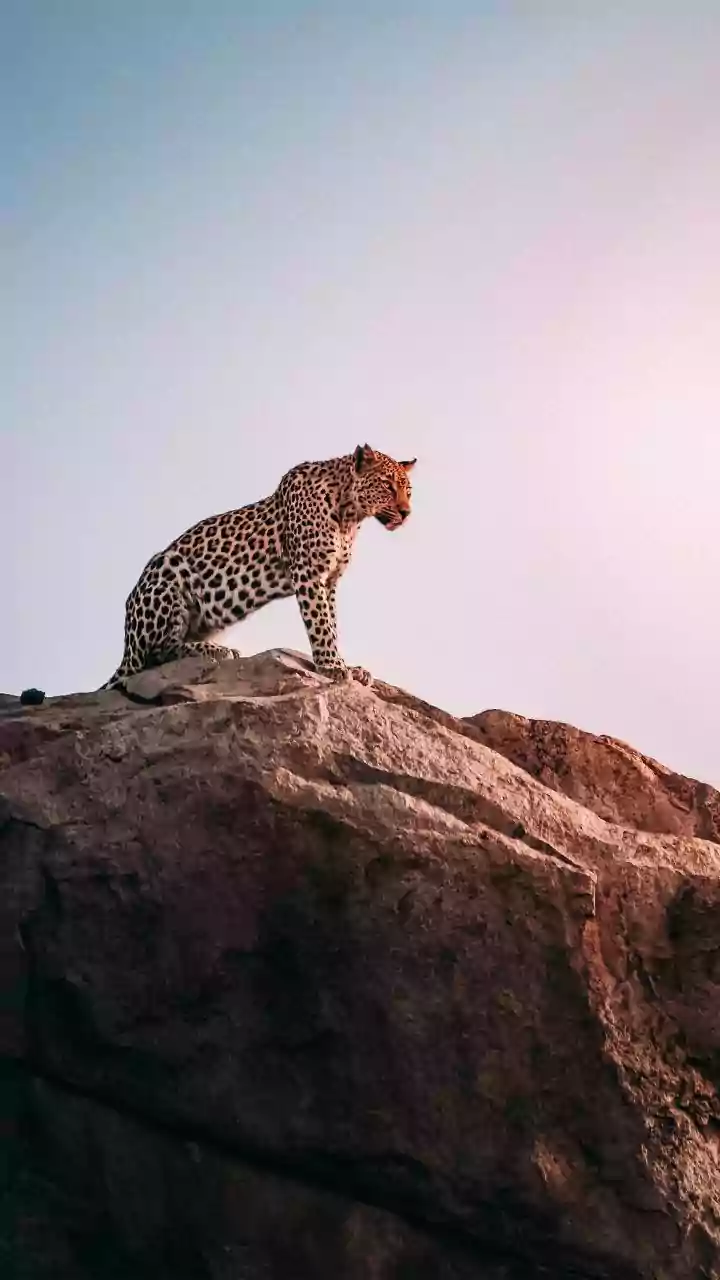
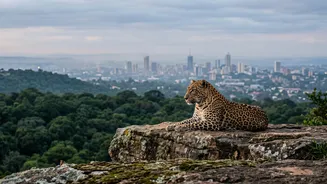
Foraging in a city looks very different from hunting in a forest. Urban animals are masters of finding new food sources. Coyotes in North American cities, for example, have a highly varied diet that includes everything from rodents and rabbits to discarded human food and fruit from garden trees. In Mumbai, leopards living on the edge of the sprawling metropolis have adapted to hunt the feral dogs that frequent garbage dumps. This dietary flexibility is a crucial adaptation. Some studies have even found genetic shifts in urban populations; white-footed mice in New York City have evolved to better digest the fatty foods, like pizza crusts, that they find.
Evolving Before Our Eyes
The changes aren't just behavioural; in some cases, cities are driving rapid evolution. These are not slow, million-year shifts, but measurable changes happening over just a few generations. The classic example is the peppered moth in the UK, which evolved darker wings to blend in with soot-covered trees during the Industrial Revolution. More recently, crested anole lizards in Puerto Rico have developed longer limbs and larger, stickier toe pads to help them climb smooth, man-made surfaces like painted walls and glass. Some songbirds in noisy urban areas have started singing at a higher pitch to be heard over the traffic. These physical and genetic adaptations show just how powerful urban environments are as a force of natural selection.
Coexistence and Conflict
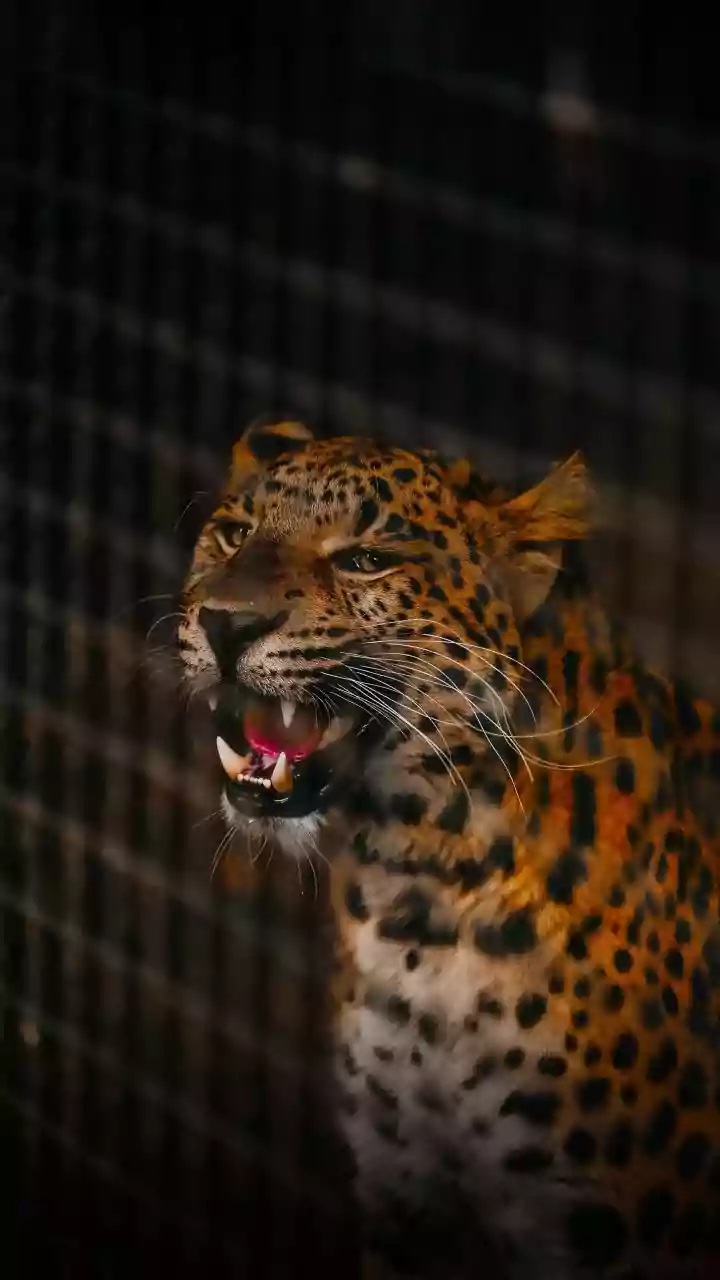
The rise of urban wildlife is a story of incredible resilience, but it's not without challenges. As animals adapt to city life, encounters with humans become more frequent, sometimes leading to conflict. The same leopards thriving in Mumbai have also been at the center of human-wildlife conflicts, particularly as the city expands into their territory. Successful coexistence requires adaptation from us, too. Understanding that these animals are not invaders but residents of a shared, evolving ecosystem is the first step. Strategies like using wildlife-resistant trash bins, creating green corridors for safe passage, and educating the public on how to behave around wildlife can help minimize conflict and ensure both humans and animals can navigate the urban jungle safely.