



The Heart of Andhra Flavour
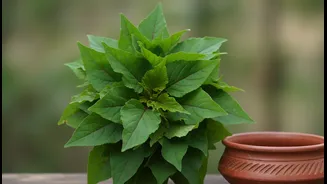
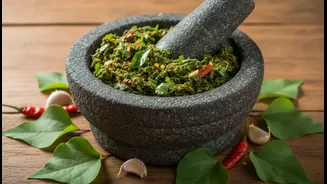
Let’s talk about Gongura Pachadi. If you haven't heard of it, you're in for a treat. This isn't just any chutney; it's a culinary emblem of the Telugu-speaking states of Andhra Pradesh and Telangana. The star ingredient is the gongura leaf, also known
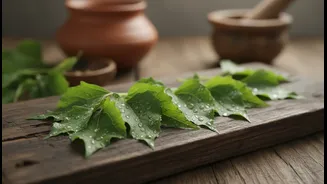
as sorrel leaf, which has a distinctively sour and tangy taste. There are two common varieties: one with red stems, known for being more sour, and another with green stems that is slightly milder. This pachadi, a type of traditional South Indian chutney or pickle, is a staple in Andhra households and a celebrated component of their famously bold and spicy cuisine. Its unique flavour profile is what sets it apart, making it a source of regional pride.
A Symphony of Sour and Spice
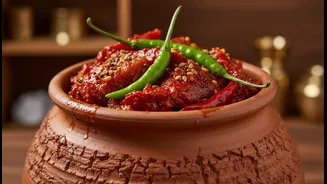
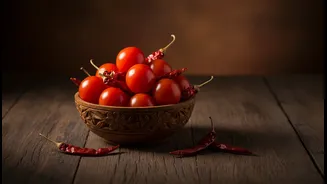
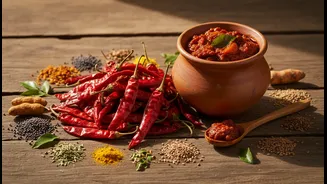
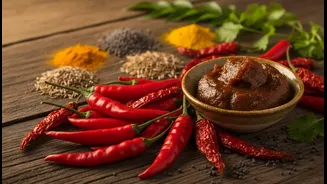
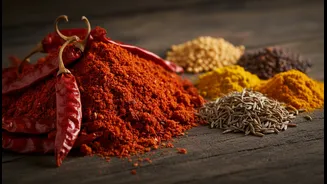
The taste of Gongura Pachadi is a robust and complex experience. The primary note is a pronounced sourness from the gongura leaves, a flavour often described as lemony or tart. This tanginess is expertly balanced by the fiery heat of dried red chillies, another cornerstone of Andhra cooking. The preparation involves sautéing the leaves until they wilt and then grinding them with a host of spices. These often include mustard seeds, fenugreek seeds, cumin, and sometimes garlic, all tempered in oil to release their aromatic depths. The result is a coarse, flavour-packed paste that is simultaneously tangy, spicy, and deeply savoury, with subtle earthy undertones. It’s a bold flavour combination that wakes up the palate.
More Than Just a Side Dish
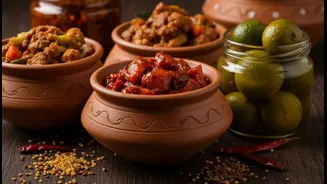
In Andhra Pradesh, Gongura Pachadi is more than a mere condiment; it's an experience. The most classic and beloved way to enjoy it is mixed with hot, steaming rice and a generous spoonful of ghee or sesame oil. The warmth of the rice mellows the intensity of the pachadi, while the ghee adds a rich, nutty smoothness that ties all the flavours together. This simple combination is considered comfort food for many. But its versatility doesn't end there. Gongura Pachadi also serves as an excellent side for dosa, idli, and even chapati. It can be paired with curd rice for a delightful contrast or served alongside a larger meal with dal and sambar to add a punch of flavour. Some versions are made to be preserved like a pickle, extending their shelf life for weeks when refrigerated.
A Nutritional Powerhouse
Beyond its incredible taste, gongura is also valued for its nutritional benefits. The leaves are a rich source of iron, folic acid, and essential vitamins like A and C. They are packed with antioxidants, which help combat inflammation in the body. The dietary fibre in gongura supports digestive health, while minerals like potassium and magnesium contribute to overall wellness. Its tangy flavour is known to stimulate the appetite and aid in digestion. So, while you're savouring that spicy kick, you're also getting a dose of valuable nutrients that have been a part of traditional diets for generations.
Bring Andhra to Your Kitchen
Making Gongura Pachadi at home is surprisingly straightforward. The core process involves washing and thoroughly drying the gongura leaves to ensure no moisture remains, which is key for a good texture and shelf life. The leaves are then sautéed in oil until they wilt completely and change colour. Separately, spices like dried red chillies, mustard seeds, and fenugreek seeds are roasted. Everything is then cooled and ground together with salt into a coarse paste. While recipes vary from one family to another, some adding peanuts for texture or garlic for pungency, the essential balance of sour leaves and hot chillies remains the same. It’s an accessible dish for any home cook looking to explore authentic Indian flavours.