


The post-breakfast slump is real. That heavy, sleepy feeling mid-morning often comes from a meal that provides a quick rush but no lasting power. The key to steady energy lies in tradition, with breakfasts that balance nutrients perfectly.
Moong Dal Chilla: The Protein Pancake
Often called
a savoury Indian pancake, the moong dal chilla is a powerhouse of plant-based protein and dietary fibre. Made from a simple batter of soaked and ground moong dal (split green or yellow gram), it is incredibly light on the stomach yet satisfyingly filling. The high protein and fibre content slows down digestion, leading to a gradual release of glucose into the bloodstream. This prevents the sharp sugar spikes and subsequent crashes associated with refined-carb breakfasts. A single serving can provide a significant amount of protein, helping to build muscle and keep you full until lunch. For an extra nutritional boost, you can add finely chopped vegetables like spinach, carrots, or onions to the batter.
Idli Sambar: A Fermented Food Wonder
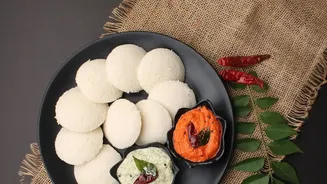
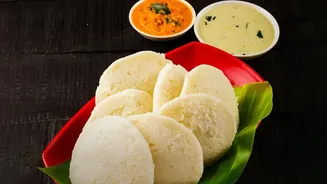
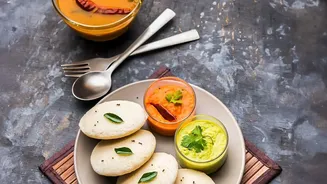
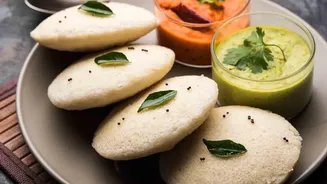
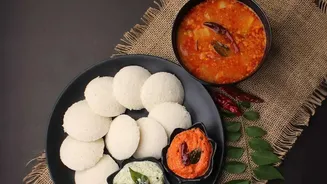
This classic South Indian combination is celebrated not just for its taste but for its balanced nutrition. Idlis are steamed cakes made from a fermented batter of rice and urad dal (black gram). The fermentation process makes them easy to digest and increases the bioavailability of nutrients like B vitamins. When paired with sambar—a hearty lentil stew packed with vegetables—it becomes a complete meal. You get complex carbohydrates and protein from the idli, plus additional protein, fibre, vitamins, and minerals from the sambar. This combination provides sustained energy release without the heaviness, making it an ideal way to start your day.
Poha: The Quick and Light Energiser
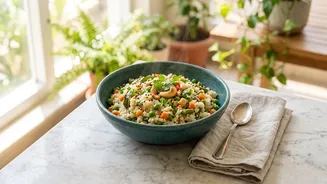
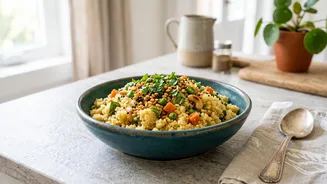
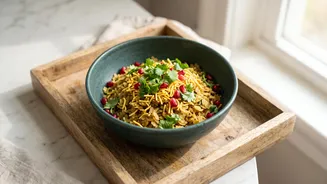
Poha, or flattened rice, is a beloved breakfast across western and central India for good reason. It's incredibly quick to prepare, light to eat, and offers a good source of healthy carbohydrates for sustained energy. Unlike many processed breakfast cereals, poha has a lower glycemic index, especially when cooked with vegetables, which helps in the slow and steady release of sugar into the blood. It's also gentle on the digestive system. Traditionally, poha is cooked with onions, mustard seeds, and turmeric, with peanuts often added for a dose of protein and healthy fats. A final squeeze of lemon not only enhances the flavour but also helps the body absorb the iron present in the dish.
Besan Chilla: The Gram Flour Powerhouse
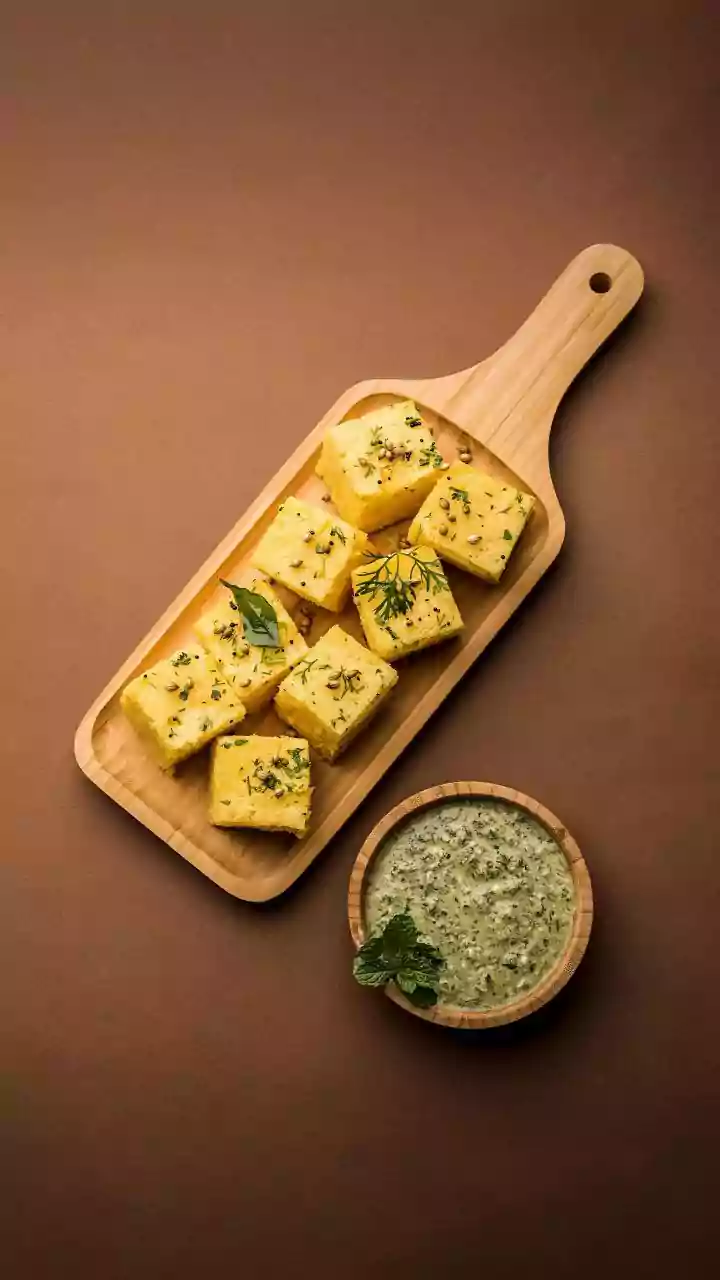
Similar to its moong dal counterpart, the besan chilla is made from gram flour (besan) and is another excellent high-protein, gluten-free option. Besan has a very low glycemic index, meaning it is excellent for blood sugar management and preventing energy slumps. Its high protein and fibre content promotes satiety, helping you feel full and satisfied for longer, which naturally reduces the urge to snack before your next meal. These savoury crepes are quick to make and can be customised with a variety of spices and chopped vegetables like tomatoes and bell peppers, adding valuable vitamins and antioxidants to your morning meal.
Ragi-Based Breakfasts: The Millet Advantage
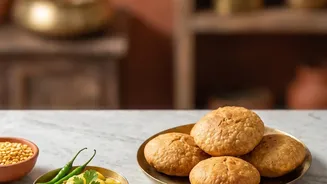
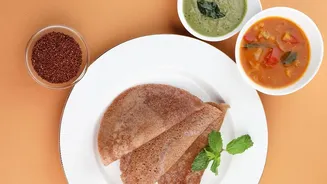
Ragi, or finger millet, is a traditional super grain renowned for its exceptional nutritional profile. It is rich in dietary fibre, calcium, and iron. The complex carbohydrates and high fibre in ragi ensure a slow release of energy, which is crucial for maintaining stamina throughout the morning and preventing sluggishness. You can incorporate ragi into your breakfast in various forms, such as a wholesome porridge (ragi malt), a soft roti, or even as ragi idlis or dosas. These options are not only filling but also support bone health and help in managing blood sugar levels effectively.