



The Problem with the Cereal Bowl
That quick bowl of wheat flakes or corn-based cereal might seem like a convenient and healthy start to the day, but a closer look at the label often tells a different story. Many popular breakfast cereals are ultra-processed, a method that can strip grains
of their natural fibre and nutrients. To compensate, manufacturers fortify them with a selection of vitamins and minerals, but this doesn’t fully replace the goodness of a whole food. The most significant issue is often the high content of added sugars. These simple carbohydrates are digested quickly, leading to a rapid spike in blood sugar followed by a slump in energy mid-morning, leaving you feeling tired and reaching for another snack. While they offer speed, they often lack the protein and complex carbohydrates needed for lasting satiety and focus.
Introducing Khapli: The Ancient Grain
Enter khapli wheat, also known as emmer wheat. This is not the wheat your average packaged bread is made from. Khapli is an ancient grain, one of the first varieties to be cultivated by humans, and it has retained a robust nutritional profile that modern, hybridized wheat often lacks. Traditionally grown in parts of India like Maharashtra and Karnataka, it has long been a staple for making rotis and other flatbreads. The key difference lies in its natural composition. Khapli has a harder, protective husk that helps preserve its nutrients, from field to flour. It’s a grain that has remained largely unchanged for centuries, and its revival in modern kitchens is driven by its remarkable health benefits.
A Nutritional Powerhouse
When you compare khapli wheat to the refined grains in most cereals, the difference is stark. Khapli is significantly richer in both protein and dietary fibre. Protein is crucial for building muscle and keeping you feeling full, while fibre is essential for good digestion and gut health. Furthermore, khapli is packed with vital minerals like magnesium, iron, and zinc. Perhaps its most celebrated quality is its low glycemic index (GI). Khapli wheat has a GI of around 45, whereas modern wheat is much higher at about 70. A lower GI means the carbohydrates are broken down slowly, providing a steady release of energy without the dramatic sugar crash associated with high-GI foods. This makes it an excellent choice for sustained morning energy and is particularly beneficial for managing blood sugar levels.
More Than a Meal: Satiety and Comfort
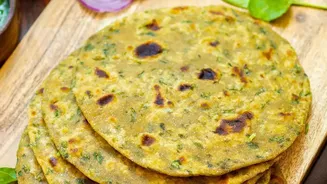
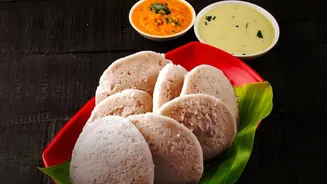
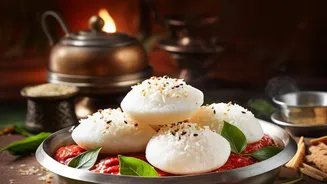
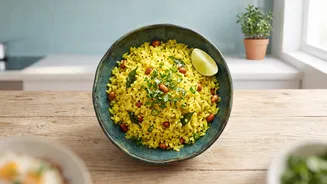
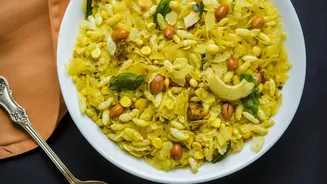
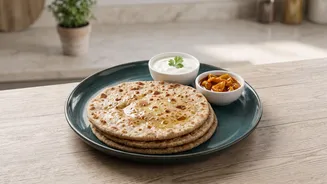
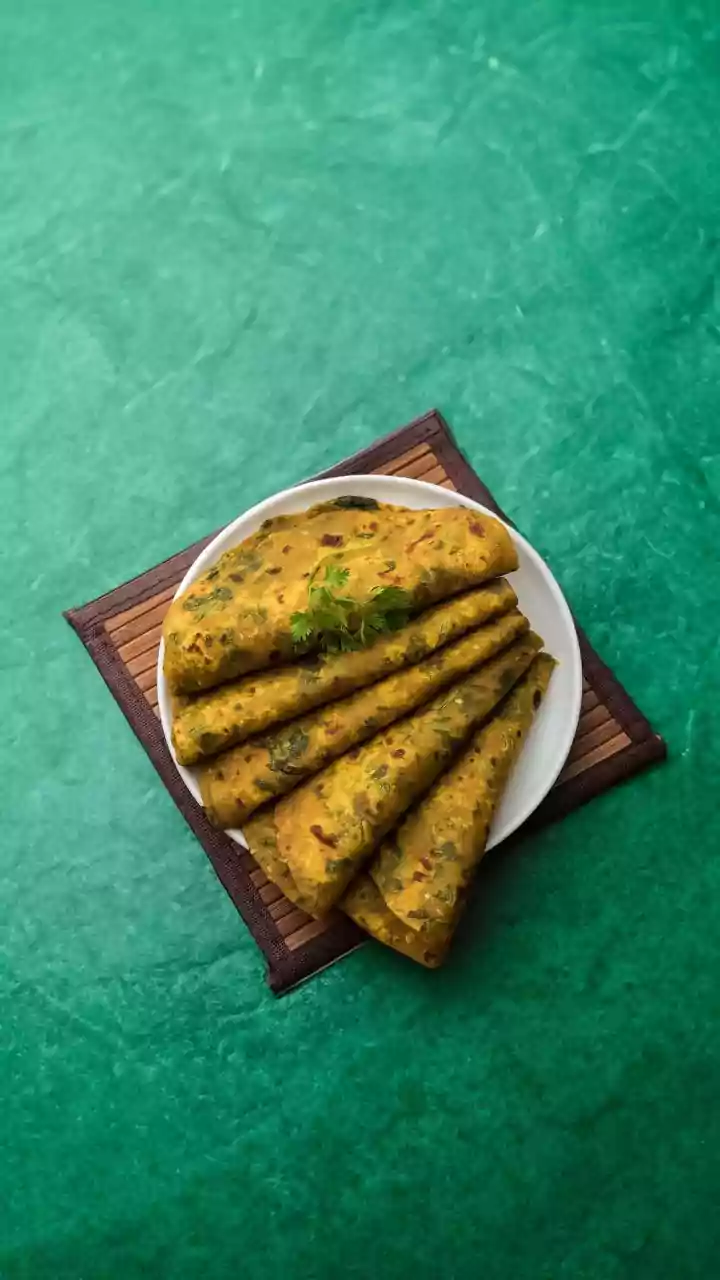
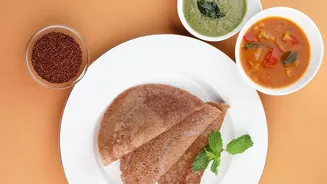
A breakfast of khapli parathas does more than just deliver nutrients; it provides a profound sense of satiety that a bowl of light, airy cereal rarely can. The combination of high fibre and protein means you stay full and satisfied for longer, curbing mid-morning cravings. This helps in better appetite control throughout the day and can support weight management goals. There is also a cultural and psychological comfort in starting the day with a warm, freshly made meal. Traditional Indian breakfasts, whether it's a paratha, poha, or idli, were designed to provide balanced, sustained energy for a day of work. Swapping a cold bowl of cereal for a warm paratha is a return to a food philosophy that values nourishment and satisfaction.
Making the Simple Swap
Switching to khapli parathas doesn't have to be complicated. You can prepare the dough in advance and store it in the refrigerator for a few days. In the morning, it only takes a few minutes to roll out and cook a fresh paratha. To make it even more nutritious, you can stuff it with grated vegetables like carrots or bottle gourd, or with protein-rich fillings like crumbled paneer or sattu. Pair it with a side of plain curd for a dose of probiotics and a complete protein meal. Even having just one or two small khapli parathas can provide far more lasting energy and nutritional value than a standard bowl of processed cereal. It’s a simple change that reconnects you with a more wholesome way of eating.