


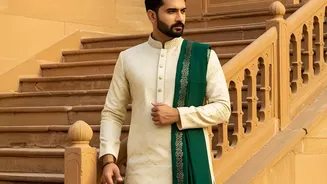

A New Thread in Urban Fashion
A quiet revolution is taking place in the Indian fashion landscape. The rhythmic clap of a village loom is finding its way into the vibrant, fast-paced world of urban streetwear. For decades, handloom textiles were often associated with traditional wear for
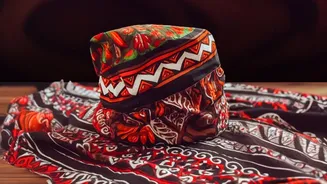
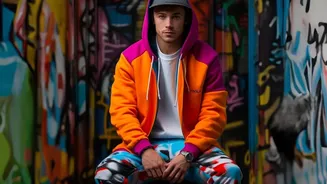
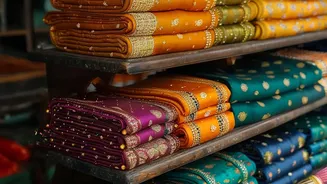
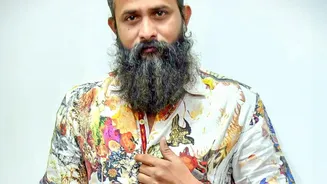
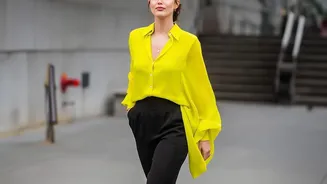
festivals and formal occasions. Today, however, a new generation of designers and youth-focused brands are reimagining these heritage fabrics. They are transforming materials like Khadi, Ikat, and Chanderi silk into oversized shirts, relaxed-fit jackets, co-ord sets, and other contemporary silhouettes. This shift is driven by a growing desire among younger consumers, particularly Gen Z, for authenticity, sustainability, and clothing with a story. They are moving away from mass-produced fast fashion, seeking instead personal style statements that reflect cultural pride and conscious consumption.
From Village Looms to City Closets
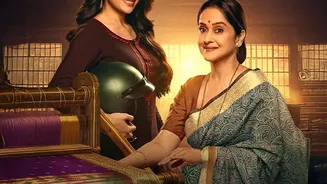
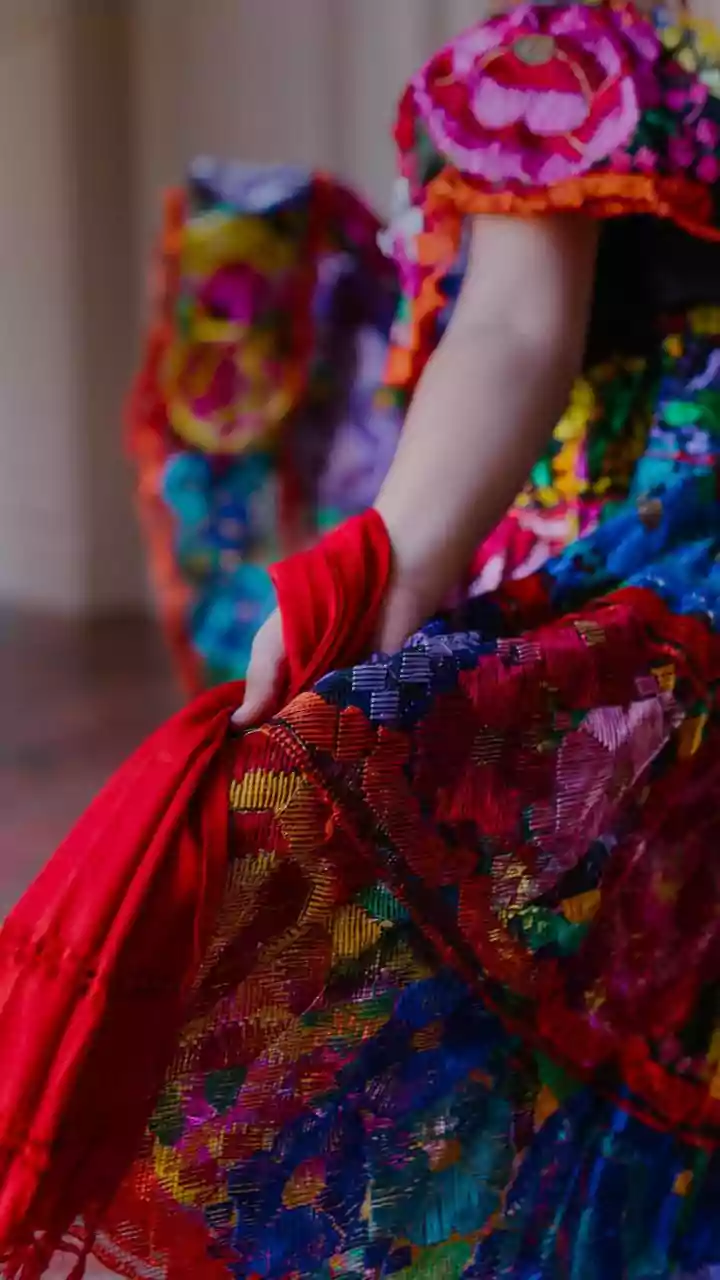
These partnerships are more than just a transaction; they represent a deep collaboration. Brands like NorBlack NorWhite, for instance, have built their identity at the intersection of Indian textiles and global street culture, working directly with weaver clusters in places like Telangana and Assam to co-create fabrics. Similarly, labels like Johargram focus on showcasing the crafts of Jharkhand, creating ethical streetwear that provides a platform for indigenous textiles. The process often involves designers spending significant time with artisan communities to understand their techniques and cultural context. This dialogue between the weaver and the designer results in unique textiles that blend traditional motifs with modern colour palettes and textures, creating garments that feel both rooted and refreshingly new.
More Than Just a Passing Trend
The benefits of these collaborations are mutual and significant. For weavers and artisan communities, partnering with youth brands provides access to new, often premium, markets and more stable livelihoods. It ensures that age-old skills, passed down through generations, are not only preserved but find new relevance and economic viability in a modern world. For fashion brands, incorporating handloom textiles offers a powerful narrative of authenticity and sustainability. Each handwoven piece carries subtle variations, making it unique—a stark contrast to the uniformity of mass production. This story of craftsmanship, heritage, and ethical production resonates strongly with a growing segment of consumers who want to know where their clothes come from and who made them.
Weaving Through the Challenges
Despite the clear advantages, the path is not without its obstacles. Bridging the gap between rural artisan clusters and urban design studios can present logistical and communication challenges. Ensuring consistent quality, managing production timelines, and scaling up for larger orders requires a delicate balance. There's also the crucial need to ensure that these partnerships are equitable. The goal is to treat artisans as creative partners, not just suppliers, ensuring they receive fair compensation and recognition for their invaluable skills. For the movement to be truly sustainable, it must avoid the pitfalls of appropriation and instead foster genuine, long-term relationships that empower the craftspeople at its heart.
The Fabric of the Future
The fusion of handloom and streetwear is more than a fleeting aesthetic; it represents a more conscious future for fashion. Propelled by social media, where a single image can introduce a regional textile to a global audience, this trend is gaining momentum. Brands like Karu Research and Paiwand Studio are proving that heritage and modernity can coexist beautifully, creating everything from luxury menswear to upcycled fabrics. As designers continue to innovate and consumers become more mindful, these partnerships are set to grow, weaving a new narrative for Indian fashion—one that is stylish, sustainable, and deeply connected to its cultural roots.