




The Seduction of the Viral Dish
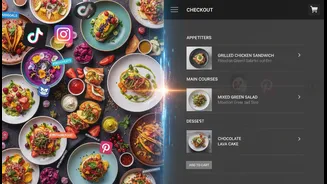
In India's digital-first food culture, social media is the new word-of-mouth. A study from 2024 showed that 68% of Gen Z diners discover new Quick Service Restaurants (QSRs) through social media, with over half deciding to buy within 24 hours of watching
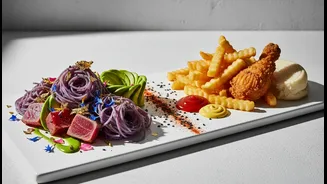
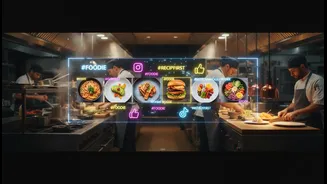
a food video. Platforms like Instagram and YouTube are dominated by food creators who engineer content for maximum visual appeal — think cheese pulls, sizzling sauces, and over-the-top mashups. This creates a powerful feedback loop: creators make what gets views, algorithms promote what's engaging, and young diners are drawn to what's trending. For a brand, the temptation to tap into this hype by putting a viral item on the menu seems obvious, but it's a move fraught with hidden risks.
The QSR Reality: Operations, Costs, and Consistency
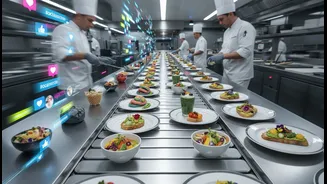
A dish that looks great in a 30-second reel can be a nightmare in a high-volume kitchen. QSR success is built on standardization, speed, and manageable costs. A complex, multi-step viral item can disrupt the entire operational flow, increasing wait times and requiring specialized staff training. Sourcing unique or trendy ingredients at a national scale can be a logistical and financial challenge, impacting the final price point. Brands must also consider whether a new item can be executed consistently across hundreds of franchise outlets. This operational reality is why many QSRs focus on a limited, efficient menu and use localization, like McDonald's McAloo Tikki, which adapts a global format to local tastes and supply chains.
The Gap: When 'Likes' Don't Equal Sales
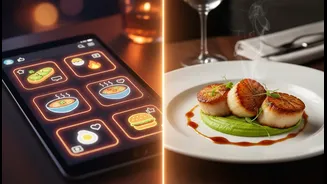
The core of the social-to-menu gap is the difference between what consumers enjoy watching and what they will repeatedly spend money on. A diner might 'like' an extravagant, messy burger on Instagram but opt for a familiar, convenient, and affordable rice bowl for their actual lunch. Young Indian consumers are experimental, but also value-conscious and increasingly health-aware. A trend might capture their curiosity, but it won't earn their loyalty if it's too expensive, impractical to eat, or doesn't fit into their daily routine. This disconnect between online hype and real-world purchasing habits is where QSRs can lose significant money, investing in a product launch that fizzles out after the initial novelty fades.
The Smart Pivot: Test, Learn, and Scale
Instead of betting big on a hunch, smart brands are bridging the gap with data. The solution is to test demand before committing to a full-scale launch. Limited-Time Offers (LTOs) are a classic strategy, creating urgency and allowing brands to trial new items without long-term menu commitment. Cloud kitchens provide a low-cost environment to test entirely new concepts or menu items in specific geographies. Brands can also use their own apps and delivery platforms to gather invaluable data on ordering patterns and customer preferences, identifying what works and what doesn't before a wider rollout. This data-driven approach turns social media from a gamble into a source of inspiration that can be validated by real-world, paying customers.