



For most travellers, booking a flight starts with a hunt for the best fare. But a major new survey from the International Air Transport Association (IATA) shows that price is no longer the only major hurdle shaping our travel plans.
The New Biggest Obstacle to Travel
While budget airlines
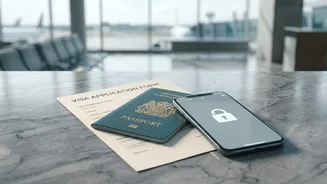
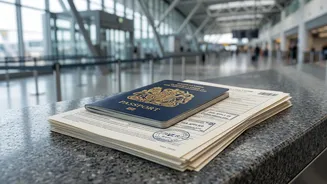
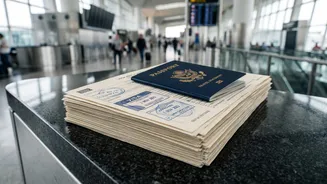
and fare aggregator sites have made finding cheap flights a global pastime, the biggest deterrent for travellers today isn't the cost, but the process of getting there. According to the 2026 IATA Global Passenger Survey, complicated and frustrating immigration requirements are now a primary reason people cancel or avoid trips. The report found that a staggering 43% of passengers have been discouraged from visiting a destination specifically because of its entry rules, a significant jump from 33% in the previous year. Of those, more than half (53%) cited the sheer complexity of the process as the main issue, with cost and privacy concerns trailing far behind at 17% each. This suggests a growing frustration among global travellers, including those from India, who often face cumbersome visa applications for popular destinations.
A Hunger for Seamless Digital Journeys
The irony, as the IATA report highlights, is that while government bureaucracy creates new headaches, passengers are more willing than ever to embrace technology to smooth their journey. The survey reveals a strong appetite for digital solutions that can reduce friction at the airport and beyond. An overwhelming 86% of travellers said they are willing to share their immigration information digitally before departure to speed things up. Similarly, 60% would much rather apply for a visa online than make a personal visit to an embassy or consulate. This digital-first mindset extends to identity verification, with biometric technology rapidly moving from a novelty to a mainstream expectation. Nearly six in ten passengers have now used biometrics, like facial recognition, at the airport, and satisfaction with the experience is at an all-time high.
The Biometrics Paradox: Convenience vs. Privacy
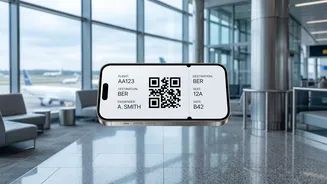
The desire for a seamless airport experience is powerful. The survey shows 78% of people would happily share their biometric information if it meant they could skip repeatedly showing their passport and boarding pass. The ultimate dream for many is a 'single-token' journey, where you register your identity once and simply walk from check_in to the gate. However, this convenience comes with a catch: data privacy. While embracing the technology, passengers are not naive about the risks. A majority (59%) are concerned about data breaches, while nearly half worry about their information being shared with other organizations without their knowledge. For airlines and governments to retain passenger trust, demonstrating robust security and being transparent about how personal data is used will be as important as the technology itself.
AI Enters the Chat
Artificial intelligence is no longer a futuristic concept; it's actively reshaping how people plan their travels. Almost half of all passengers (49%) have already used AI tools for trip planning, according to the IATA survey. This includes using AI to search for flights to a specific destination, find the cheapest fares, and even get inspiration for where to go next. This trend presents both a challenge and an opportunity for the travel industry. Airlines, hotels, and tourism boards must now ensure their offerings are visible and appealing to AI-driven search results, moving beyond traditional search engine optimization to a new frontier of digital marketing.