






The Science of the Slump
That sleepy feeling after a meal is scientifically known as postprandial somnolence. After you eat, your body diverts blood flow to the digestive system to process the food. When you consume a heavy, carb-rich, or fatty meal, your body has to work overtime,
leaving you feeling lethargic. High humidity adds another layer of strain. Your body's natural cooling system—sweating—is less effective because the moisture in the air slows down evaporation. This forces your body to expend even more energy just to maintain its core temperature, compounding the fatigue and making that afternoon drowsiness feel almost inevitable.
Embrace the Light Lunch
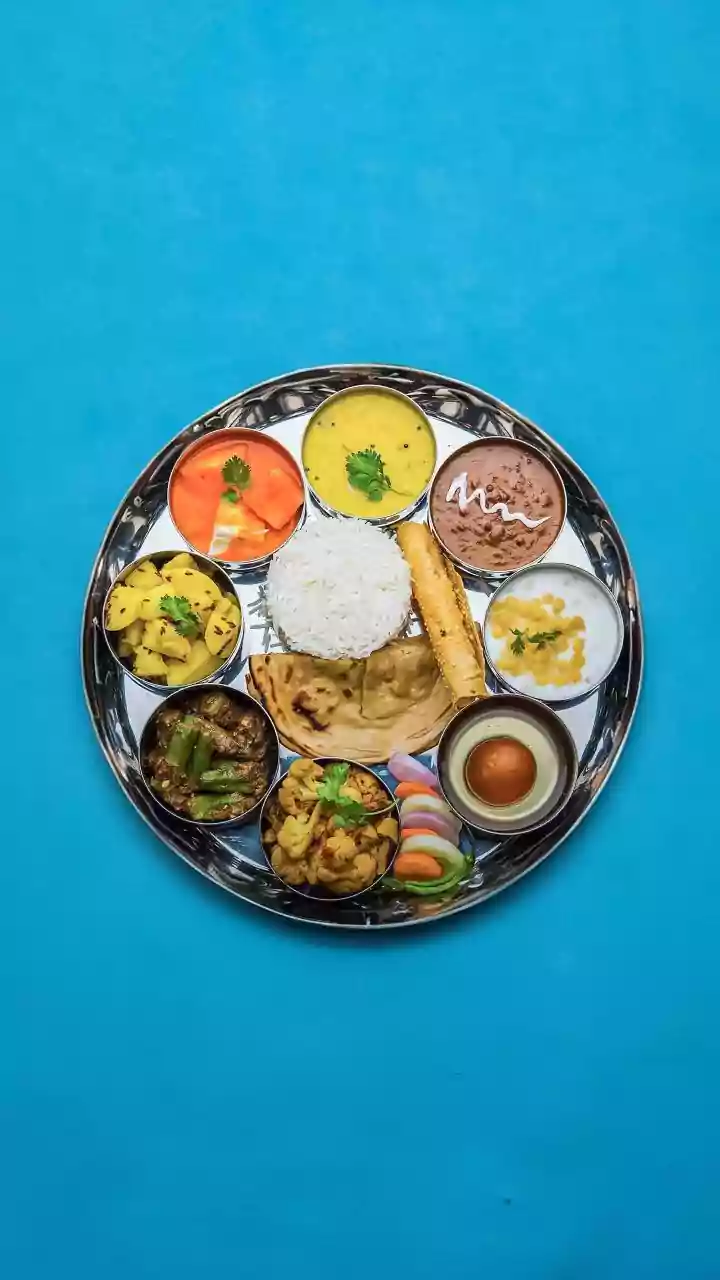
The most effective strategy is to opt for a lunch that is easy to digest. Build your meal around lean proteins, complex carbohydrates, and plenty of vegetables. Think grilled paneer or chicken salads, dal with brown rice or a single whole-wheat roti, and vegetable-packed pulao or khichdi. These foods provide a steady release of energy, unlike the sharp spikes and crashes caused by refined carbs and sugars. A lighter meal means your digestive system isn't overwhelmed, freeing up energy for your brain and body to stay alert and productive through the afternoon.
Foods That Fuel the Fog
Just as important as what you eat is what you avoid. Heavy, greasy, and excessively sugary foods are the primary culprits behind the afternoon crash. Rich curries, biryanis loaded with ghee, fried items like samosas or pakoras, and sweets for dessert can be difficult to digest and lead to a significant energy drain. Meals high in simple carbohydrates, such as those made with white flour (maida) or white rice in large quantities, cause a rapid spike in blood sugar, followed by a dramatic crash that manifests as sleepiness and brain fog. Being mindful of these 'heavy hitters' is crucial for maintaining afternoon energy.
The Critical Role of Hydration
In a humid climate, hydration is everything. Even mild dehydration can manifest as fatigue, difficulty concentrating, and headaches. It's easy to mistake thirst for hunger or tiredness. Instead of reaching for another cup of caffeinated tea or coffee, which can lead to a later crash, make water your go-to beverage. For a more hydrating and cooling option, consider traditional Indian drinks like buttermilk (chaas) or coconut water. These are not only refreshing but also replenish electrolytes lost through sweat, making them far superior to sugary sodas or juices that can worsen dehydration.
Smart Snacking to Sustain Energy
If you still feel a dip in energy late in the afternoon, a smart snack can bridge the gap. Instead of a sugary biscuit or a bag of chips, opt for something that provides sustained energy. A piece of fruit, a handful of almonds or walnuts, a cup of yogurt (dahi), or roasted chickpeas (chana) are all excellent choices. These snacks offer a balanced mix of protein, fibre, and healthy fats that will keep you feeling full and focused without weighing you down, helping you finish your workday strong.