




A Tale of Two Fortunes
Gautam Gambhir’s tenure as head coach has been a rollercoaster. Appointed in July 2024, he delivered what India craved: major trophies. The team triumphed in the 2025 Champions Trophy and the 2026 T20 World Cup, ending a long drought. This success has given
him significant credit with the board and fans. However, the story in Test cricket is starkly different. India has struggled, losing series at home to New Zealand and South Africa, and failing to qualify for the 2025 World Test Championship final. These contrasting results have fueled the debate: is one coach for all formats the right approach for a team playing non-stop cricket?
The Case for Split Coaching
The idea isn't new. England famously adopted a split-coaching model, and many analysts believe it’s time for India to follow suit. The logic is simple: the demands of Test cricket and white-ball formats (ODIs and T20Is) are vastly different. A split allows for specialized focus. One coach can dedicate their energy to the tactical nuances and long-term planning of Test cricket, while another can master the fast-paced, high-intensity world of limited-overs cricket. This also helps manage the immense workload and constant travel that comes with coaching the Indian team year-round. With a packed international calendar, giving one person the reins to all three formats is a monumental task.
Gambhir: The White-Ball Master?
The headline's proposal suggests keeping Gambhir for Tests and ODIs, but based on recent results, the opposite might be more logical. His success as a mentor with Kolkata Knight Riders in the IPL and India's two recent ICC white-ball trophy wins under his coaching highlight his acumen in limited-overs cricket. His aggressive, high-risk style seems perfectly suited for T20 and ODI formats. However, recent bilateral series have been a concern, with a winless tour of the UK in July 2026 raising questions. Despite this, the BCCI seems to view his white-ball record, anchored by ICC titles, as secure. The argument is that his aggressive philosophy, while effective in short bursts, may not translate well to the patience and sustained pressure required in Test cricket.
Laxman: The Test Virtuoso?
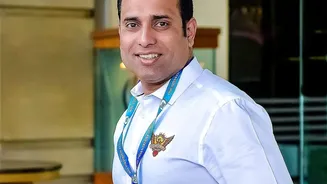
VVS Laxman, currently the head of the National Cricket Academy (NCA), is the name consistently linked with a potential Test coaching role. Known for his elegant batting and calm demeanor as a player, Laxman has spent years nurturing the next generation of Indian talent at the NCA, overseeing the Under-19 and India A teams. This role gives him a deep understanding of the player pipeline. His supporters see him as a calming influence who understands the specific rigors of the five-day game. He has also served as an interim coach for India on several tours, including a recent T20I series in Zimbabwe, showing the board's trust in his abilities. The idea of Laxman taking over the Test side while Gambhir handles white-ball duties is a recurring theme in expert analysis.
Synergy or Collision Course?
On paper, the partnership seems compelling. Laxman’s calm, methodical approach could stabilize a Test side in transition, while Gambhir’s aggressive instincts could keep the white-ball teams sharp and competitive. However, the challenges are significant. Two head coaches could lead to two different team cultures and conflicting messages for players who feature across formats. Former players are divided. While some like Wasim Jaffer support the idea to manage workload, others like Harbhajan Singh and Kapil Dev have expressed caution, arguing India's cricketing culture is better suited to a single, unified leadership structure. A key concern is who gets the final say on player development and priorities when two powerful voices are at the helm. For it to work, the BCCI would need to establish exceptionally clear roles and a strong, overarching director to ensure both coaches are pulling in the same direction.