


The Fallout from Fast Fashion
For years, the fashion landscape was dominated by a simple mantra: more is more. Fast fashion offered trendy, affordable clothes that allowed consumers to update their look every few weeks. But this convenience came at a significant environmental and ethical
price. The industry is a massive consumer of water and a major polluter, relying on chemical dyes and synthetic fabrics that harm ecosystems. Furthermore, the business model encourages a 'throwaway' culture, leading to mountains of textile waste in landfills. In India alone, the textile and apparel industry generates thousands of kilotonnes of waste annually. Faced with this reality, many consumers are beginning to question the true cost of a cheap t-shirt and seek more responsible alternatives.
The Allure of Authenticity and Story
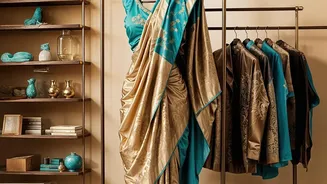
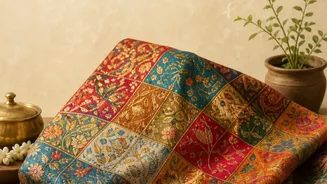
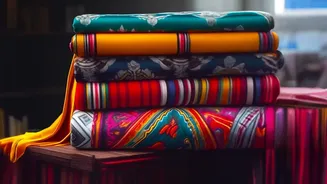
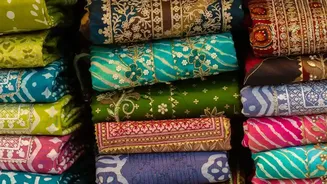
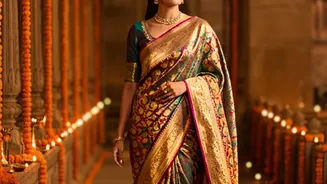
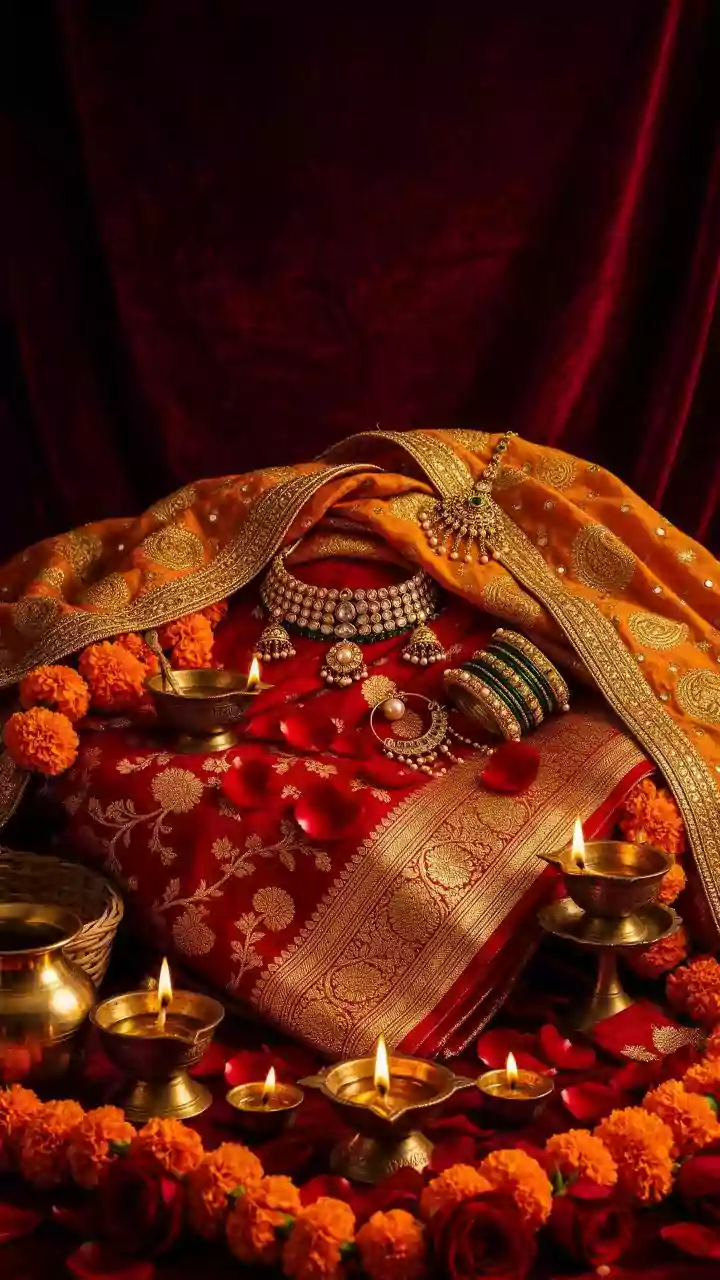
In a world of mass-produced goods, traditional crafts offer something unique: a human touch. Each handloom textile, block-printed pattern, or piece of intricate embroidery tells a story. These are not anonymous garments from a factory floor; they are the product of generations of skill, artistry, and cultural heritage. Shoppers are increasingly drawn to this authenticity, desiring clothes that have a narrative and a connection to the artisan who made them. Owning a piece of handcrafted fashion, like a Banarasi silk saree or an Ajrakh printed scarf, is about more than just aesthetics; it's about investing in a piece of living history and art.
Sustainability Woven into Tradition
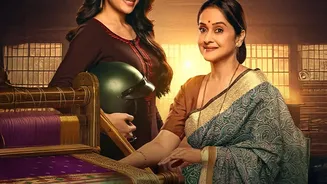
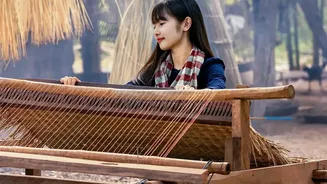
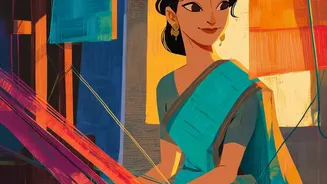
Long before 'sustainability' became a buzzword, it was an inherent part of Indian craftsmanship. Traditional textile production is, by its nature, a form of slow fashion. Handloom weaving, for instance, uses foot-powered looms that have a minimal carbon footprint compared to industrial machines. Many crafts utilize natural, locally sourced materials like organic cotton, linen, and silk, which are biodegradable. Dyes are often derived from plants and minerals, such as indigo, turmeric, and madder, avoiding the toxic chemical runoff associated with industrial dyeing. Techniques like repurposing leftover fabric scraps are also common, reflecting a zero-waste ethos that has been part of Indian culture for centuries.
From Traditional to Modern Chic
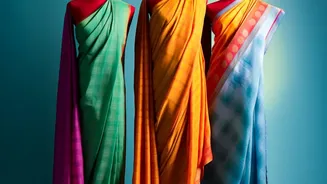
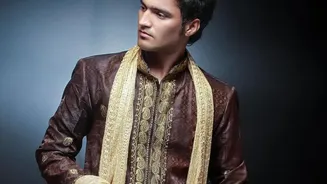
Embracing traditional crafts doesn't mean dressing in historical costumes. A new generation of Indian designers is proving that handloom and handcrafted textiles can be incredibly modern and versatile. They are transforming fabrics like Khadi, Chanderi, and Ikat into contemporary silhouettes—from sharp blazers and minimalist dresses to stylish streetwear. These designers are collaborating with artisan clusters, blending ancient techniques with modern design sensibilities. This fusion makes traditional textiles relevant and desirable for younger, fashion-conscious consumers who want to express their identity while making a conscious choice. The result is a wardrobe that feels both ancient and avant-garde.
Empowering Artisans and Preserving Heritage
The shift towards traditional crafts has a profound social impact. For decades, many artisan communities struggled as mechanisation and fast fashion devalued their skills. The renewed interest from urban consumers provides a vital economic lifeline, ensuring that artisans receive fair wages and that their skills are preserved for future generations. When a consumer chooses a hand-embroidered garment, they are not just buying a piece of clothing; they are supporting a weaver in a rural village, sustaining a family, and helping to keep a centuries-old art form alive. This movement is about reclaiming dignity, sustaining rural economies, and protecting India's rich cultural heritage from disappearing.