






The Panic Problem: Why Separation is Key
Imagine water pouring from a burst pipe. In that moment of panic, the last thing you need is to be flipping through pages about biannual gutter cleaning to find the water shut-off valve instructions. This is the fundamental flaw in most home organization
systems: they mix the urgent with the important. An effective home manual must act like a hospital, with an emergency room for immediate crises and a general practice wing for routine care. Separating these functions ensures you can act decisively when seconds count, while still keeping track of the long-term health of your home. This simple division brings clarity, reduces stress, and transforms your manual from a cluttered binder into a powerful tool for home management and safety.
The Urgent File: Your Emergency Action Plan
This section of your manual is for crises only. It should be concise, easy to read, and focused on immediate, stabilizing actions. Think of it as a 'grab-and-go' guide for you, a family member, or even a helpful neighbour in an emergency. The goal isn't to perform complex repairs, but to mitigate damage and danger until a professional can arrive. This information needs to be obvious and accessible, ideally at the very front of your binder or as a clearly marked digital folder. Do not clutter this section with warranties or lengthy manuals; it's purely for actionable, emergency instructions.
What to Include for Immediate Action
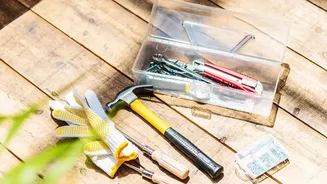
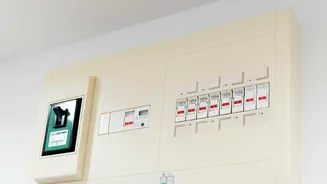
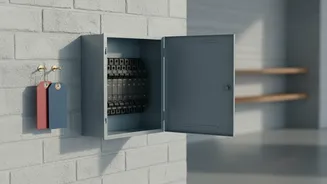
Your urgent section should contain clear, simple instructions and diagrams for critical systems. Include a labelled photo of your electrical panel showing which breaker controls which area. Provide step-by-step instructions for shutting off the main water supply and the gas line, complete with photos of the valves and the necessary tools. A list of emergency contacts is non-negotiable: include numbers for a 24-hour plumber, an electrician, the gas company's emergency line, and your home insurance provider's claims department. Also include copies of vital documents like insurance policies, passports, and birth certificates in case of an evacuation.
The Routine Section: Your Home's Maintenance Rhythm
This is the second, and much larger, part of your home manual. Its purpose is preventative. By tackling small, regular tasks, you prevent them from becoming future emergencies. This section is where you can be detailed and comprehensive. It's the logbook for your home's health, helping you protect your investment and budget for future expenses. Unlike the urgent file, this section is designed to be consulted on a calm weekend, not during a crisis. It should be organized chronologically or by area of the house to make planning easy and intuitive.
Structuring Your Maintenance Calendar
Organize your routine tasks by frequency to make them manageable. Monthly tasks could include testing smoke and carbon monoxide detectors, checking the furnace filter during heavy use seasons, and cleaning faucet aerators. Quarterly tasks might involve testing your sump pump, cleaning the range hood filter, and inspecting window and door seals. Annually, you should schedule things like a professional HVAC servicing, cleaning gutters and downspouts, and inspecting the roof. For each task, note the date it was last completed. This creates a living document that tracks the history of your home's upkeep.
Digital vs. Physical: Choosing Your Format
So, should your manual be a physical binder or a folder on your computer? The best answer is both. A sturdy, physical binder is crucial for the 'Urgent' section, as you can't rely on power or Wi-Fi during a natural disaster or power outage. However, a digital system is excellent for the 'Routine' section. You can set calendar reminders for tasks, store digital copies of user manuals, and link to helpful how-to videos. A hybrid approach offers the best of both worlds: a lean, physical emergency binder for immediate access and a comprehensive digital archive for everything else. For the physical binder, use tabs and sheet protectors to keep everything organized and durable.