

Pack Smart, Not Just More
Your packing strategy is the first line of defence. Leave the cotton and denim behind; they absorb water and take ages to dry in high humidity. Instead, opt for synthetic, quick-drying fabrics like polyester and nylon blends for your clothes. A lightweight,
waterproof rain jacket is more practical than an umbrella, which can be useless against strong monsoon winds. For footwear, choose waterproof sandals or floaters with a good grip. Closed shoes can trap water and cause fungal infections, while standard flip-flops become dangerously slippery on wet surfaces. Finally, protect your valuables. Use a waterproof backpack or a bag with a reliable rain cover. Keep electronics, documents, and medicines in separate zip-lock or dry bags for an extra layer of security.
Choose Your Destination Wisely
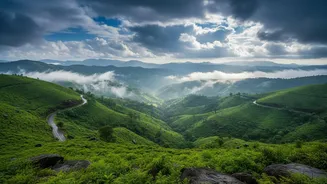
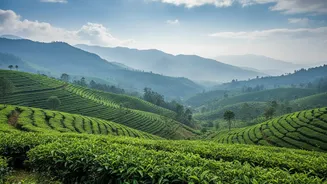
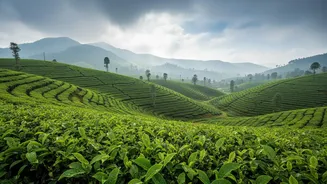
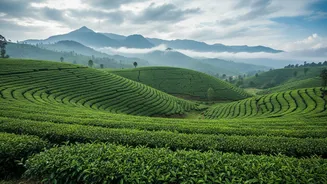
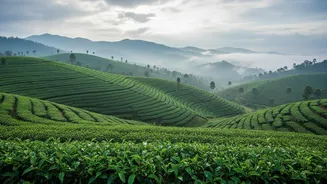
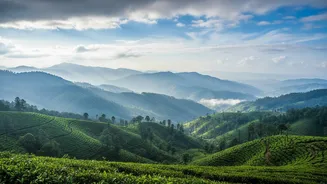
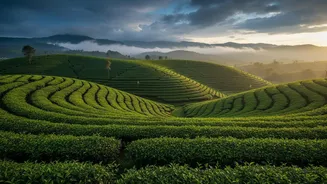
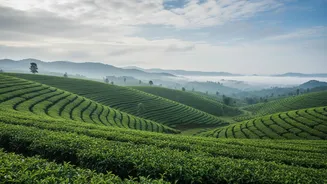
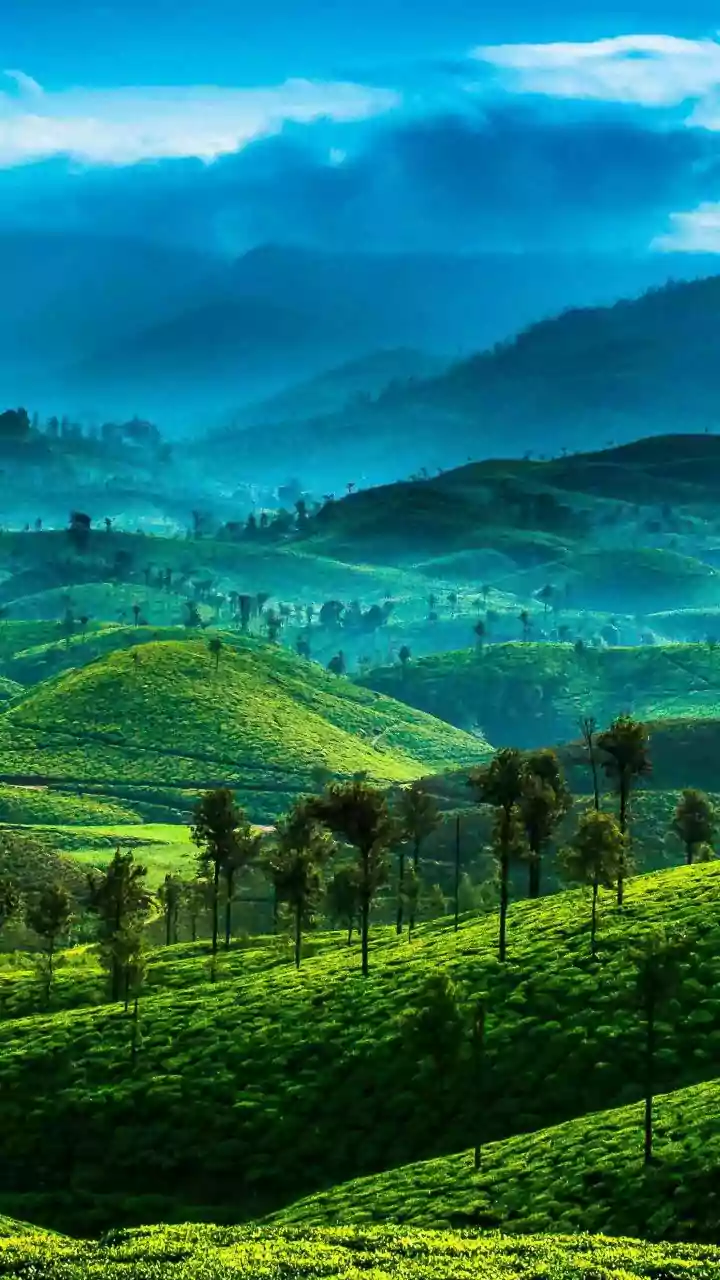
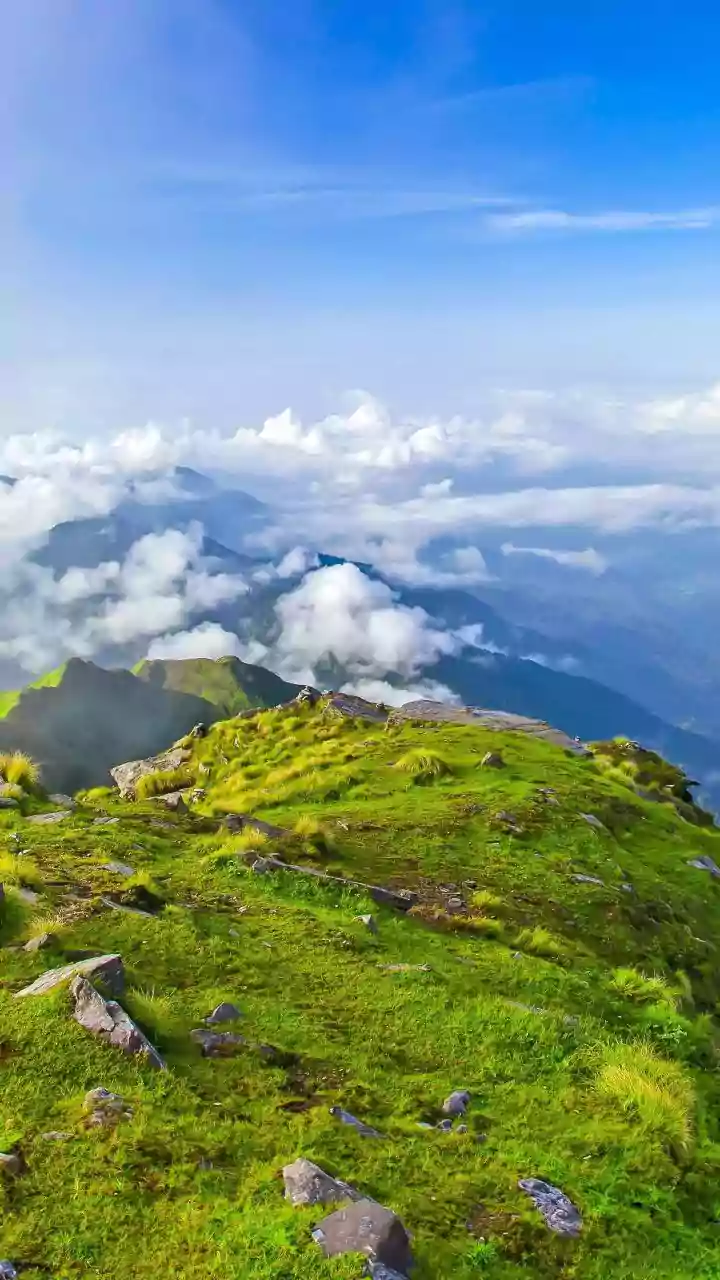
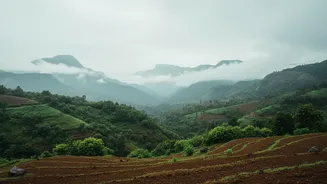
Not all destinations are created equal during the monsoon. While some regions transform into lush, green paradises, others become prone to landslides and flooding. Hill stations in the Western Ghats like Munnar, Coorg, and Wayanad are spectacular when washed with rain, offering views of misty mountains and full-flowing waterfalls. Parts of Rajasthan, such as Udaipur, receive less rainfall and offer a unique charm with replenished lakes. However, it's crucial to check regional weather advisories before booking and travelling. Some areas, particularly in the Himalayas, can be risky. In contrast, regions like Ladakh fall in a rain shadow area, making them an ideal escape from the heavy downpours affecting the rest of the country.
Build a Flexible Itinerary
The single most important rule of monsoon travel is to stay flexible. Unpredictable weather can lead to sudden disruptions, including delayed flights, cancelled trains, and waterlogged roads. Avoid packing your schedule too tightly. Build buffer days into your itinerary to accommodate potential delays without stress. It’s wise to have both an indoor and an outdoor plan for each day. If the weather is clear, explore that fort or market. If it starts pouring, switch to a museum, café, or an indoor activity you've kept in reserve. Booking accommodation close to your main points of interest can also save you from long, frustrating journeys through wet traffic.
Navigate Transportation Challenges
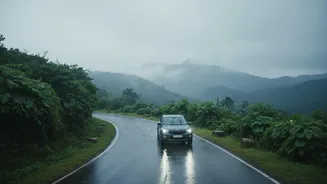
Getting from one place to another requires extra caution. If you are driving, reduce your speed, maintain a safe distance from other vehicles, and use your headlights for visibility. Wet roads significantly increase braking distance. Never attempt to drive through a flooded street; the water can conceal deep potholes or damage, and even shallow, flowing water can cause you to lose control of your vehicle. For train travel, check for delays or cancellations before heading to the station, as services are often affected. On platforms, stay away from the edge as surfaces can be extremely slippery.
Prioritise Health and Hygiene
The monsoon brings a higher risk of water-borne and mosquito-borne illnesses. Be cautious with street food and stick to freshly prepared, hot meals from hygienic establishments. Always drink bottled or purified water and avoid ice in your drinks. Mosquitoes are rampant during this season, so use a reliable insect repellent, especially during the evenings. It’s also important to stay dry whenever possible. Change out of damp clothes and shoes quickly to prevent skin infections. Pack a basic first-aid kit with essentials like antiseptic wipes, bandages, pain relievers, and any personal medications you need.