





The Problem with Cookie-Cutter Spaces
Walk into most modern apartments in any major Indian city, and you’ll likely find a familiar script: a living room, a closed-off kitchen, and a series of bedrooms branching off a corridor. This template, born from an era of standardised construction,
was designed for a generic family unit with predictable needs. But today, our lives are anything but generic. We are freelancers, creators, extended families living together, and individuals who prioritise hobbies and wellness over formal guest spaces. The traditional layout forces us to adapt our lives to the house, rather than the other way around. A dining room gathers dust while we eat at the kitchen counter; a guest bedroom becomes a permanent storage dump. This disconnect between our space and our lifestyle creates daily friction, making our homes feel less like a sanctuary and more like a constraint.
Defining the Personalised Home
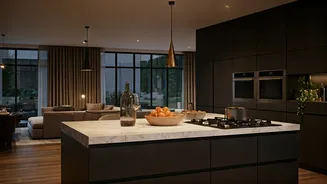
A personalised layout is not about expensive furniture or trendy decor. It’s a fundamental rethinking of how space is allocated based on your actual life. It’s about designing from the inside out. Do you love to cook and entertain? Perhaps an open-plan kitchen that flows into the living area makes more sense than a small, isolated kitchen. Do you and your partner both work from home? Maybe sacrificing a conventional guest room for two distinct, small office nooks is the smarter choice. Personalisation means prioritising your daily rituals. It could be as simple as carving out a sun-drenched corner for your morning yoga and chai, or as complex as knocking down a wall to create a multi-functional family room that serves as a media hub, study area, and play zone. It’s a design philosophy that puts your habits, hobbies, and happiness at the centre of the floor plan.
The New Drivers: Work, Wellness, and Self-Expression
The shift towards personalised layouts has been accelerated by several key factors. The most significant, of course, is the rise of remote and hybrid work. The home is no longer just a place to rest; it’s an office, a video-conferencing studio, and a hub of productivity. This demands dedicated workspaces that are acoustically and visually separate from relaxation areas. Secondly, there’s a growing awareness of how our environment impacts our mental well-being. A home that supports your needs reduces stress and enhances your quality of life. A cluttered, ill-fitting space does the opposite. Finally, in an age of social media and self-expression, our homes have become the ultimate canvas. We want our spaces to tell our story—to reflect our travels, our passions, and our unique family structure, not the generic vision of a property developer.
Making It Happen: Ideas for Your Home
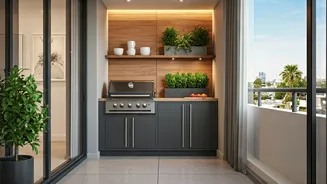
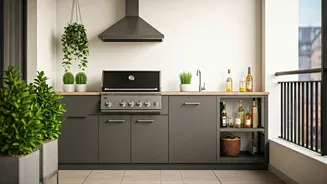
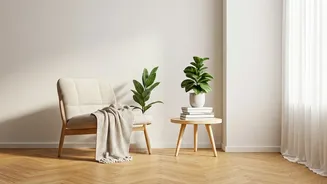
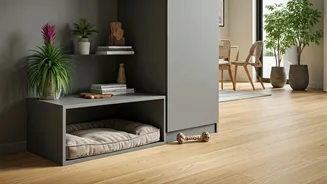
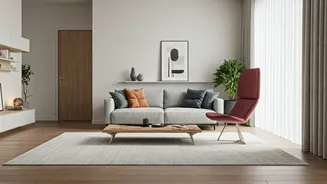
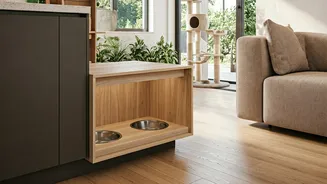
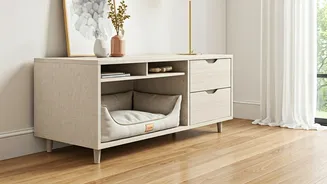
Embracing a personalised layout doesn't always require a full-scale renovation. You can start with smaller, impactful changes. Reclaim unused spaces: that awkward balcony can become a vertical garden and coffee spot. That formal dining area you never use could be transformed into a library and reading lounge with comfortable seating. Consider multi-functional furniture: a coffee table that rises to become a workstation, a bed with built-in storage, or a stylish foldable screen to partition a room on demand. Think in terms of zones instead of rooms. You can create a 'work zone', a 'relaxation zone', and a 'social zone' within a single open-plan area using rugs, lighting, and furniture placement. The goal is to audit your own behaviour. Where do you spend the most time? What activities bring you joy? Design your space to support those answers.