





The Real Danger in a Teaspoon of Water
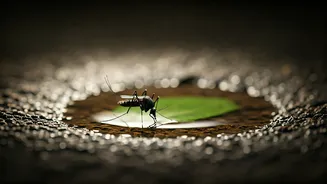
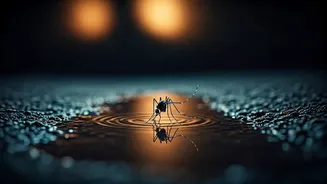
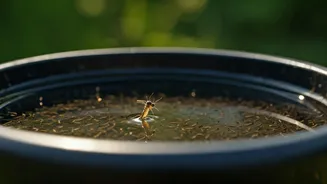
It’s hard to believe, but the Aedes aegypti mosquito, the primary carrier of dengue, chikungunya, and Zika, can breed in as little as one teaspoon of water. During the monsoon, countless such pockets form in and around our living spaces. These mosquitoes
are daytime biters, making our homes their primary hunting ground. The life cycle from egg to adult mosquito can be as short as 7 to 10 days, meaning a new, infectious generation can emerge every week from a single forgotten puddle. This is why public health officials repeatedly stress that preventing water stagnation is the single most effective way to curb the spread of these vector-borne diseases. It isn’t about large ponds; it’s about the small, overlooked spots.
Your Indoor Hotspot Checklist
Start your search inside the house, where you might feel safest but risks still lurk. Pay close attention to refrigerator drip trays, which often collect condensation and are rarely checked. The plates under your indoor plants are another common culprit; be sure to empty them daily. Air conditioner drain pipes, especially those that drip into a bucket or tray indoors, create a constant source of stagnant water. Even a vase with old flowers can become a breeding site. The solution is simple but requires diligence: a weekly routine of emptying, wiping dry, or cleaning these areas. For plants, you can add sand to the trays to absorb excess water without harming your greenery.
Scour Your Balcony, Terrace, and Garden
Outdoor spaces are ground zero for water collection. On your balcony or terrace, check for clogged drains that cause water to pool. Discarded items like old tyres, buckets, coconut shells, and plastic containers can collect rainwater and become ideal mosquito nurseries. Turn over any empty pots or containers so they don't fill with water. If you have a garden, inspect tarpaulin sheets or plastic coverings that may have folds or depressions where water gathers. Bird baths should be emptied and refilled at least twice a week. It’s a game of vigilance; a quick five-minute scan of your outdoor areas after every rain shower can make all the difference.
The Desert Cooler Dilemma
In many Indian households, the desert cooler is a notorious source of mosquito breeding. The water tank, if not cleaned regularly, provides a large, stable environment for larvae to thrive. Before the monsoon fully sets in, and at least once a week during, completely drain the cooler's tank. Scrub the insides to remove any mosquito eggs that may have been laid on the surfaces. Let it dry completely before refilling. When the cooler is not in use for a few days, ensure it is fully empty. This simple maintenance step is critical, as a single neglected cooler can infest an entire apartment block or neighbourhood with mosquitoes.
Beyond Mosquitoes: Mould and Structural Health
While mosquito-borne diseases are the most immediate threat, stagnant water causes other problems too. Persistent dampness leads to the growth of mould and mildew, which can trigger allergies, asthma, and other respiratory issues. Black mould, in particular, can release mycotoxins that are harmful to both humans and pets. Over time, constant water collection on terraces or against walls can also compromise the structural integrity of your home. Water can seep into concrete, causing cracks and weakening the foundation or walls. By clearing these water pockets, you are not only protecting your family’s health from diseases but also preserving the long-term health of your home itself.