





It comes from a good place: you want to care for your plant, so you give it a drink. But too much water is one of the most common reasons houseplants fail. Knowing the signs of overwatering can help you act fast and save your green friends.
Yellowing Leaves That Feel Soft
One of the
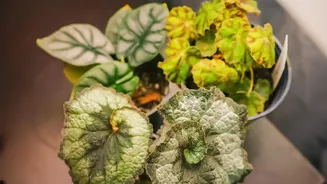
most frequent signs of trouble is when leaves, particularly the lower ones, turn yellow and feel soft or limp. This is different from underwatering, where yellowing leaves tend to be dry and crispy. When a plant is overwatered, its roots become saturated and can no longer absorb oxygen, which leads to stress that shows up in the foliage. If you see yellow, soft leaves and the soil is still damp, overwatering is the likely cause.
Wilting, Even When the Soil Is Wet
This is perhaps the most confusing symptom, as wilting is something we almost always associate with thirst. However, a plant can wilt even when the soil is soaked. This happens because the roots have started to suffocate or rot due to the excess moisture. Damaged roots can no longer take up water for the plant, causing the leaves to droop as if it were thirsty. The key difference is the soil: if the plant is wilting but the soil is wet to the touch, you are looking at a classic sign of overwatering.
Brown Spots or Mushy Stems
While dry, crispy brown tips can signal underwatering, soft brown or black spots appearing on leaves can be a symptom of a bacterial infection caused by too much moisture. An even more serious sign is a soft, mushy stem base. This indicates that rot is advancing from the roots up into the plant's main structure. A stem that feels soft or unstable is a clear red flag that the plant is in significant distress from being waterlogged.
Mould on the Soil or Fungus Gnats
If you notice a white, fuzzy layer of mould on the surface of the soil, it means the top layer isn't drying out properly. This perpetually damp environment is also a perfect breeding ground for fungus gnats — tiny, black flies that hover around your pots. While adult gnats are mostly just an annoyance, their larvae live in the damp soil and can feed on your plant’s roots, causing further damage. Both mould and gnats are strong indicators that you need to let the soil dry out more between waterings.
A Foul Odour From the Soil
Healthy soil has a neutral, earthy smell. If you detect a sour or rotten odour coming from your plant's pot, it’s a major warning sign of root rot. This smell is caused by roots that have died and begun to decay in the waterlogged soil. To confirm, you may need to gently slide the plant out of its pot and inspect the roots directly. Healthy roots are typically firm and white or tan, while rotting roots will be dark brown or black, soft, and mushy.
What to Do if You've Overwatered
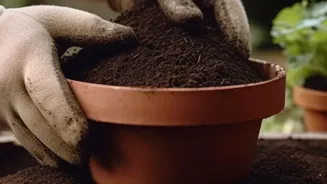
If you catch the signs early, the fix can be simple. First, stop watering and allow the soil to dry out. Ensure your pot has drainage holes and is not sitting in a saucer full of water. For more severe cases involving a foul smell or mushy stems, you'll need to act more decisively. Gently remove the plant from its pot, trim away any black, mushy roots with clean scissors, and repot it in fresh, well-draining soil. After repotting, wait a few days before watering again to let the roots recover.